Fake Banner
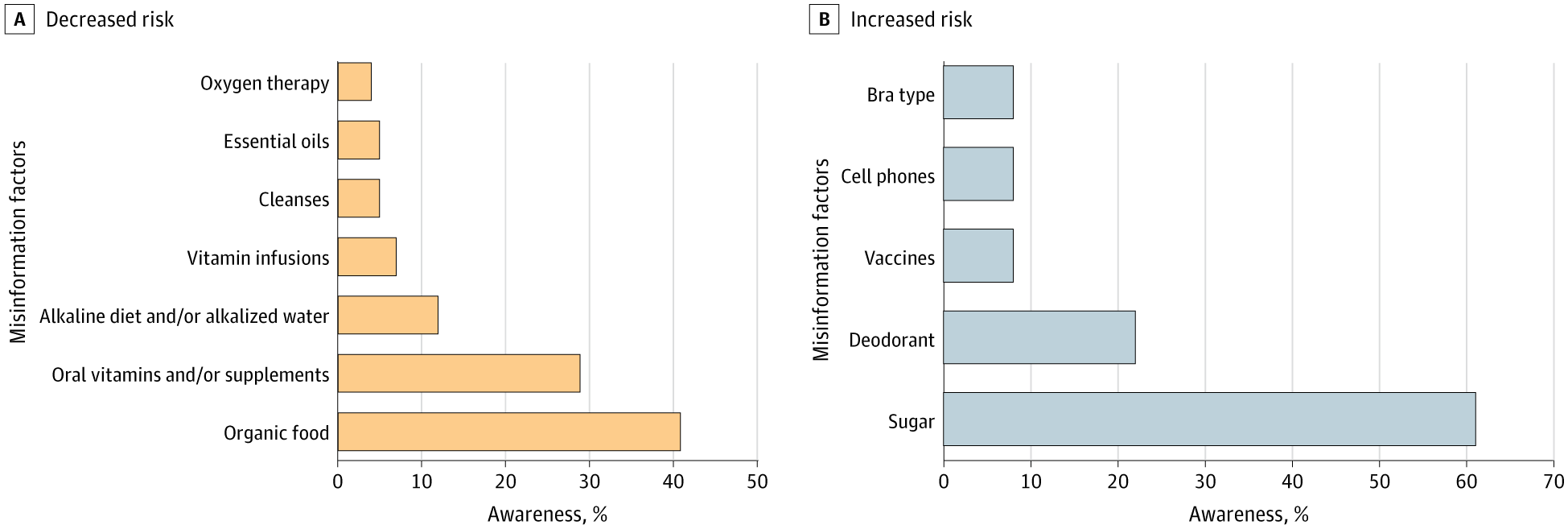
Misinformation Common Among Women With Breast Cancer

Vaccines are getting American media attention now that Republicans are engaging in misinformation...
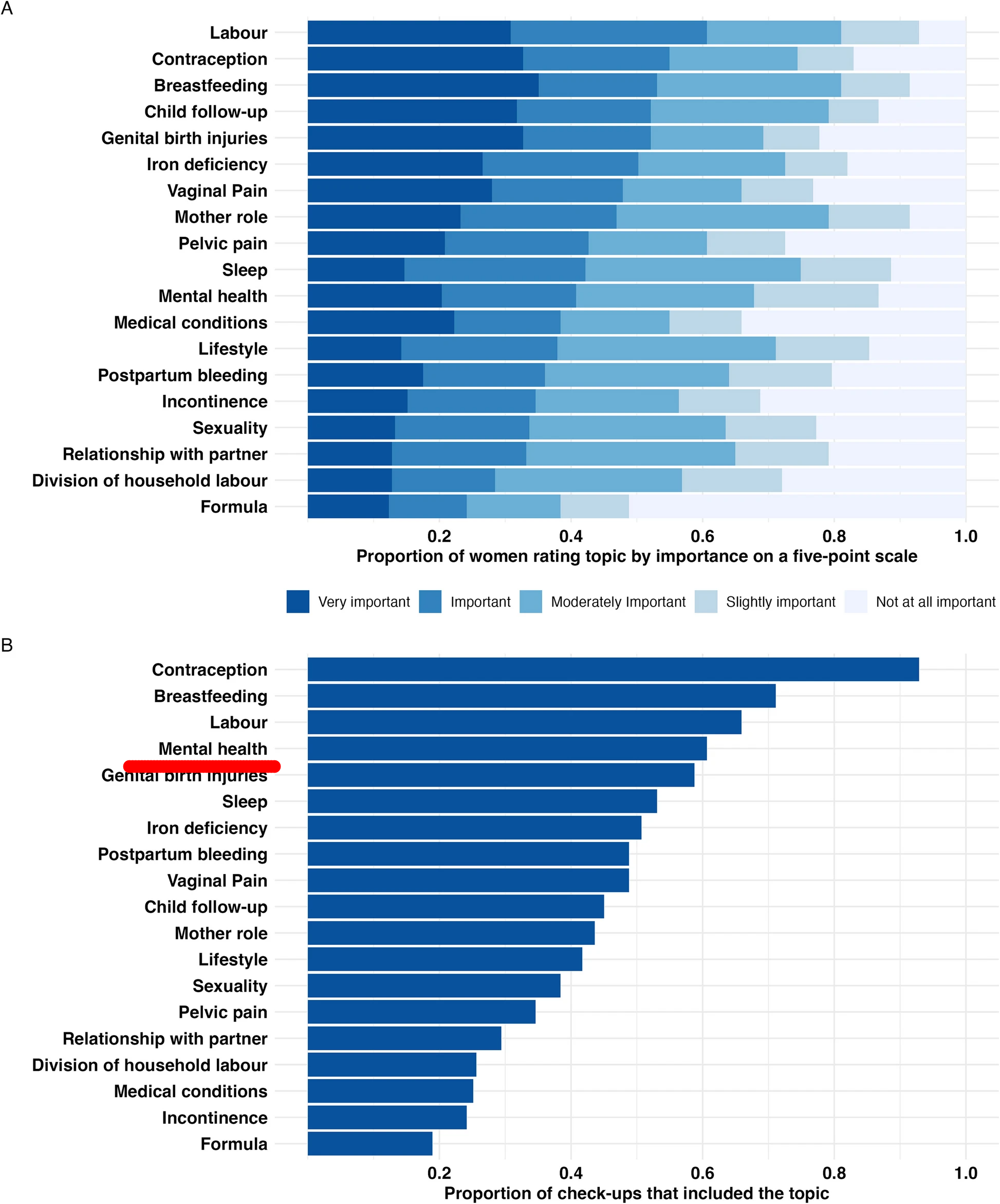
Even With Universal Health Care, Mothers Don't Go To Postnatal Check-Ups

For decades, health care costs have been a political topic in America. Advocates argue it is the...
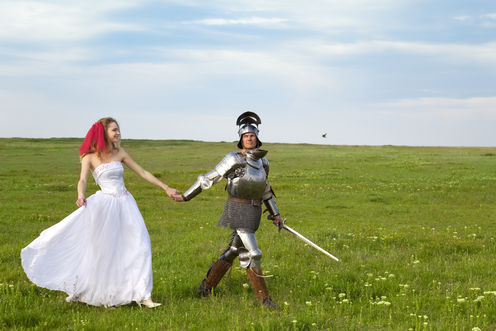
Happy Twelfth Night - Or Divorce Day, Depending On How Your 2026 Is Going

Today is, in Christian observance, Twelfth Night, the end of The 12 Days of Christmas in that song...
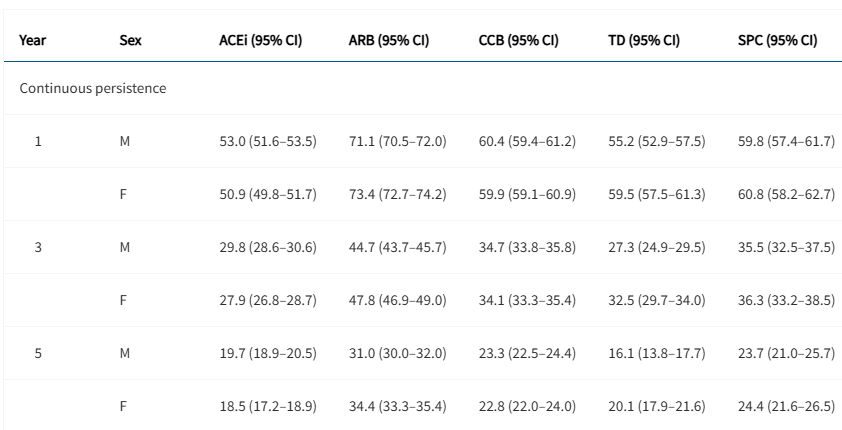
Blood Pressure Medication Adherence May Not Be Cost, It May Be Annoyance At Defensive Medicine

High blood pressure is an important risk factor for developing cardiovascular disease and premature...

User picture.
picture for Fred Phillipspicture for Tommaso Dorigopicture for Hontas Farmerpicture for picture for Patrick Lockerbypicture for Ilias Tyrovolas
Hank CampbellRSS Feed of this column.

I founded Science 2.0® in 2006 and since then it has become the world's largest independent science communications site, with over 300,000,000 direct readers and reach approaching one billion. Read More »

Blogroll
Greater virtual realism is always shown in television shows like "Star Trek: The Next Generation" as people who act out an alternate life as a farmer or solve mysteries in the 1800s, and that may happen, but long before that any technology like that will be used by young people to shoot each other.
A recent NY Times article echoes what I said last week in a meeting about a Science 2.0 television pilot - incredibly literate people who know a lot about science can't name a scientist.

It's certainly true.  Adult science literacy has tripled since I was an adult, science scores have gone up for American kids every year for the last decade and the American science audience alone is 65 million people.   
Science 2.0 is all about making a difference in a positive way, bringing lots of people in the world together to talk with each other about science.    We're the only open science site of decent size, meaning you don't have to be famous or bring a large audience to get invited, you just sign up and write science, so participation and communication are key to the Science 2.0 concept.
If you are a European who might be allergic to some compounds in cosmetics, you are out of luck.  In 2009, outside a few exceptions, the European Union banned the use of animals in cosmetic testing - though they still allow it in plenty of other things.  Heck, in the UK 91% of basic research using animal testing was found to have a societal benefit and, while that was a failure to animal rights groups who know nothing about science, 91% is jaw-on-the-floor incredible for basic research.
Susan Greenfield is always interesting.   And New Scientist is always willing to print anything.  It's a happy time when they get together.   

Greenfield once said playing Prokofiev at half speed would lead to depression, leading me to reply

Prokofiev 2nd concerto G minor
Sometimes the precautionary principle can run amok.   Anti-science people who don't accept climate science use it to prevent meaningful policy actions related to the environment while anti-science people who don't accept biology block efforts to improve food sources so crops can grow in areas where the world's poorest live, or improve yields to feed more people, and use silly labels like "Frankenfood."