Fake Banner
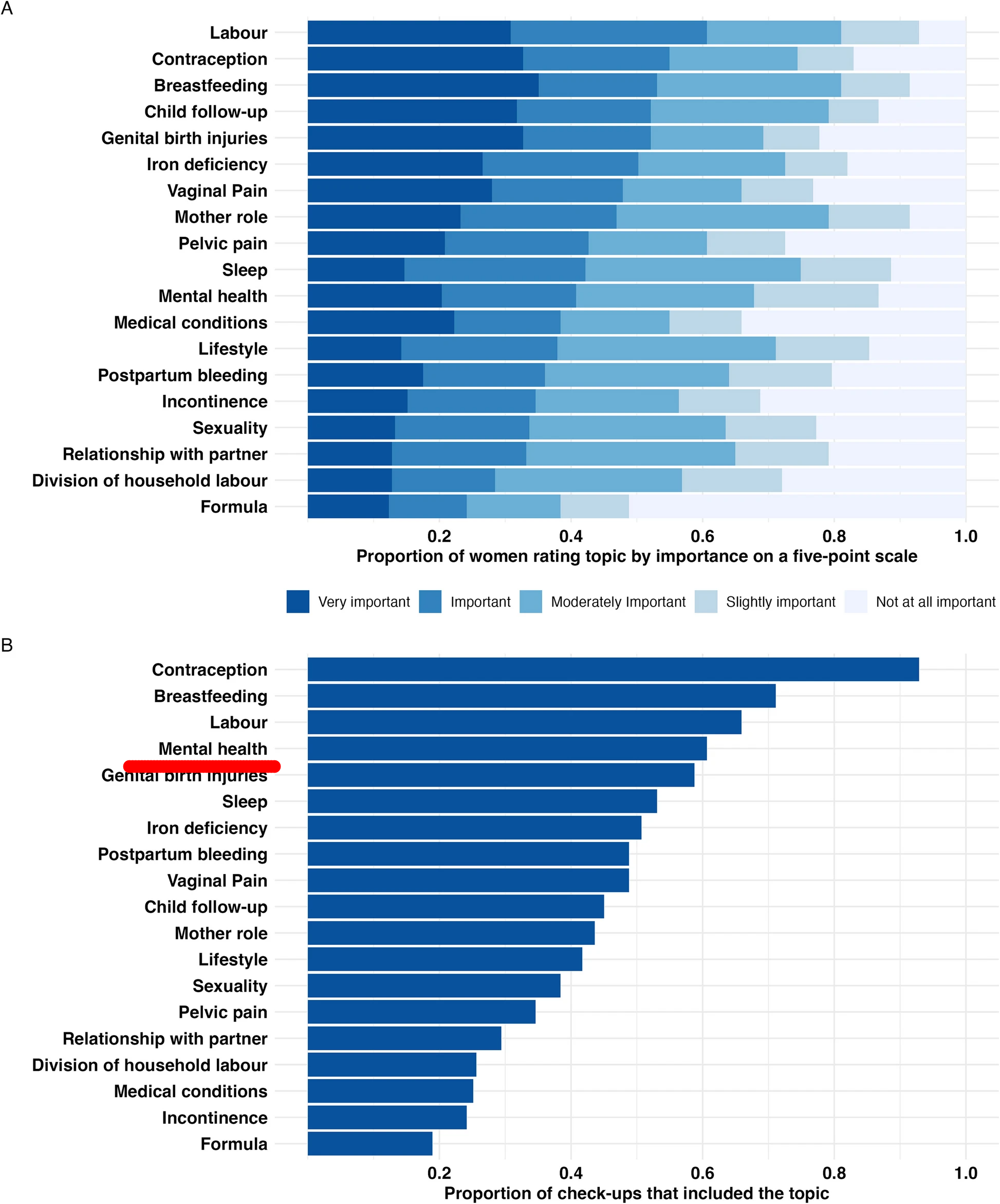
Even With Universal Health Care, Mothers Don't Go To Postnatal Check-Ups

For decades, health care costs have been a political topic in America. Advocates argue it is the...

Happy Twelfth Night - Or Divorce Day, Depending On How Your 2026 Is Going

Today is, in Christian observance, Twelfth Night, the end of The 12 Days of Christmas in that song...
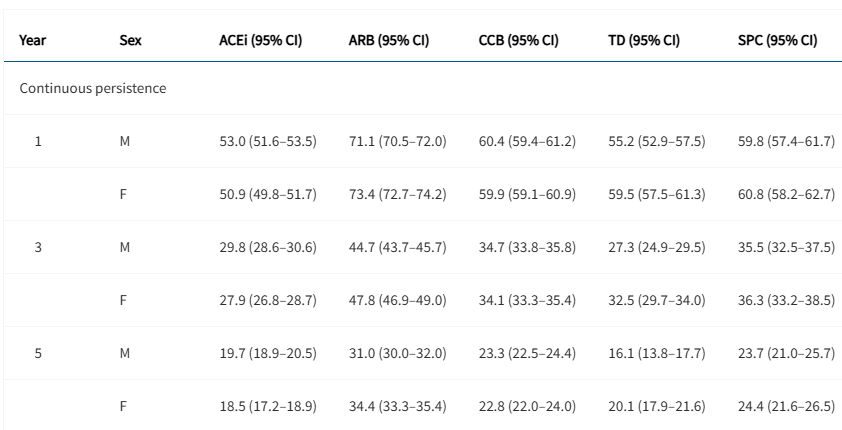
Blood Pressure Medication Adherence May Not Be Cost, It May Be Annoyance At Defensive Medicine

High blood pressure is an important risk factor for developing cardiovascular disease and premature...

On January 5th, Don't Get Divorced Because Of Hallmark Movies

The Monday after New Year's is colloquially called Divorce Day, but it's more than marriages ending...

User picture.
picture for Tommaso Dorigopicture for Fred Phillipspicture for Hontas Farmerpicture for picture for Patrick Lockerbypicture for Ilias Tyrovolas
Hank CampbellRSS Feed of this column.

I founded Science 2.0® in 2006 and since then it has become the world's largest independent science communications site, with over 300,000,000 direct readers and reach approaching one billion. Read More »

Blogroll
You might think that those who are skeptical (or downright intransigent) on a CO2 basis for global warming are bigger wasters of energy or greater polluters than those who accept climate science.

Not so.   Skeptics are just as green.   Their reasons may simply be different.
Many might want to believe the United Nations, a world political mediation body created in the aftermath of World War 2, would be a friend of climate science since they are the governing body behind the Intergovernmental Panel on Climate Change (IPCC) - but they are instead advocates.
  
When advocates take center stage and make cringe-worthy statements over and over again, they actually hurt the science they are advocating.   The UN has said baffling things to such an extent they have hurt the reputation of climate science, resulting in backlash about climate change because no one knows what to believe any more.
   
If you're not one of the 172,000 Japanese people living within a dozen miles of the Fukushima Daiichi plant who have been advised (read: forced) to leave, you are breathing a sigh of relief while you hope things turn out okay.

But a new analysis carried out by Nature and the NASA Socioeconomic Data and Applications Center at Columbia University says two-thirds of the world’s 211 nuclear power plants have more people in the same radius than the ones who have had to flee their homes in Japan.  They're not all on known earthquake faults, obviously, but disaster concerns are an important public policy issue in times of disaster.
It's Earth Day tomorrow, a day when environmentalists want to remind you that you are a parasite ruining a pristine ecology and there should be less of us.   Well, by 'us' they mean you - they can't be killed or no one would be around to care about the environment.
Anania Shirakatsi (Ananias of Shirak) was an Armenian scientist and mathematician, famous there for authoring two important works, Geography and Cosmography and the Calendar, which tackled astronomy, meteorology, and geography.

He is considered the father of natural sciences in Armenia and his books, while readable to a lay audience, were also technical enough to be used as textbooks for centuries.   
When European politicians picked a target date for greenhouse gas emissions in the Kyoto accord, American environmentalists applauded despite the motivation - economic harm for the US with little to Europe, since Germany simply had to scuttle Soviet-era factories they acquired in the re-merger with East Germany and France switched to more nuclear power in order to try and meet their CO2 targets.