Fake Banner
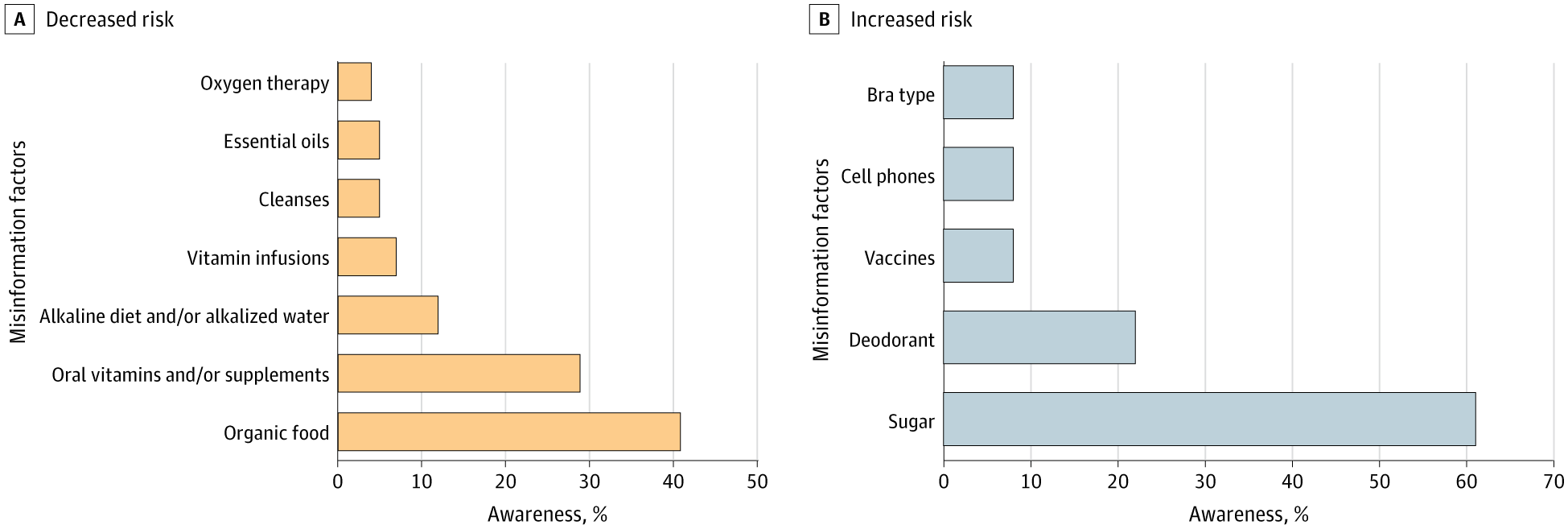
Misinformation Common Among Women With Breast Cancer

Vaccines are getting American media attention now that Republicans are engaging in misinformation...
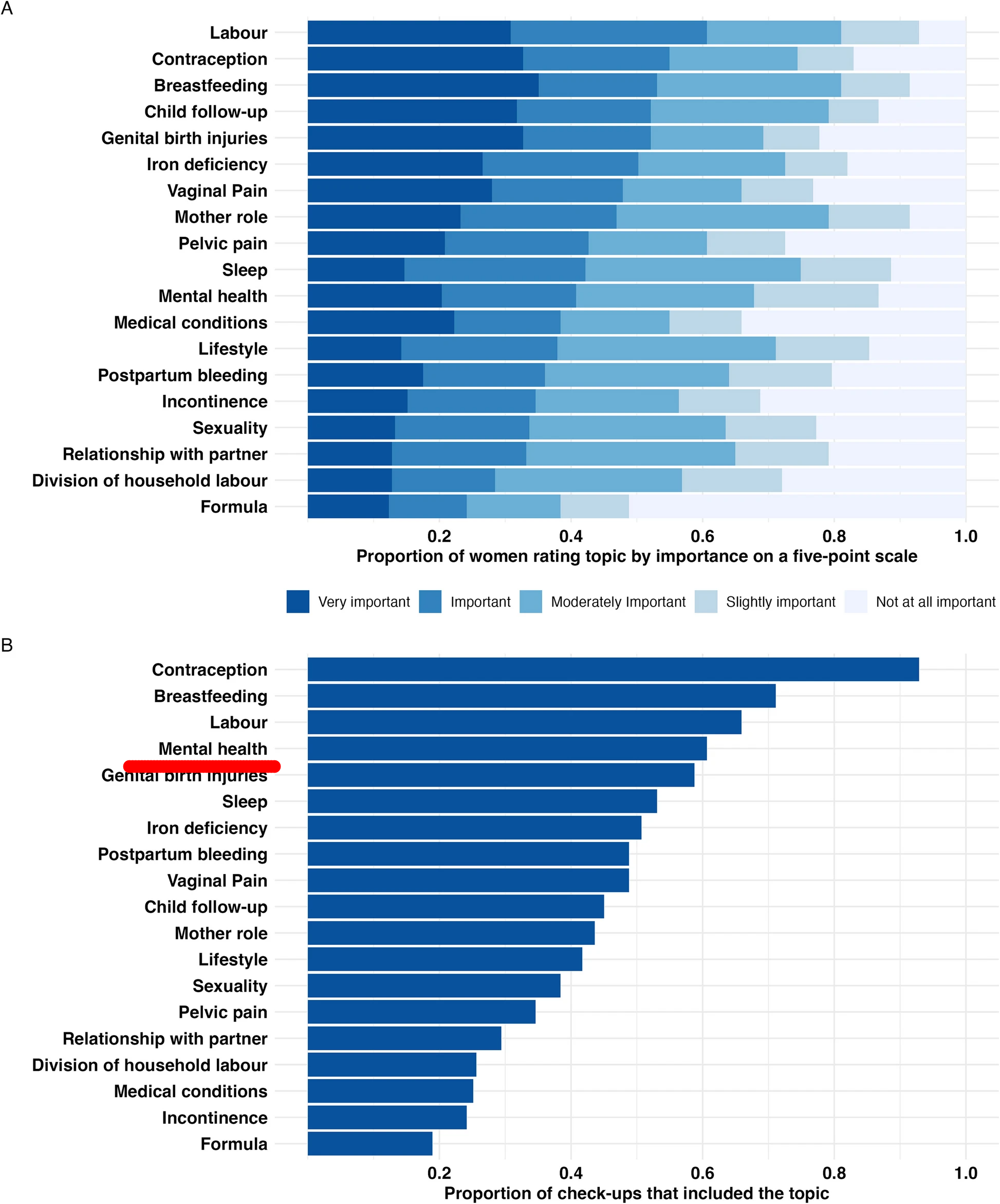
Even With Universal Health Care, Mothers Don't Go To Postnatal Check-Ups

For decades, health care costs have been a political topic in America. Advocates argue it is the...
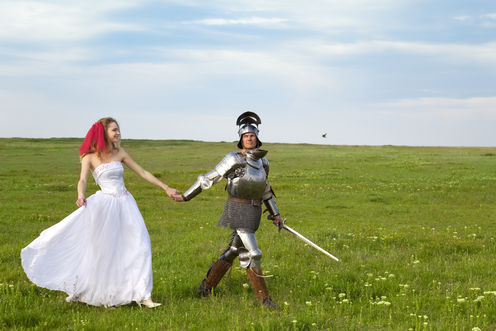
Happy Twelfth Night - Or Divorce Day, Depending On How Your 2026 Is Going

Today is, in Christian observance, Twelfth Night, the end of The 12 Days of Christmas in that song...
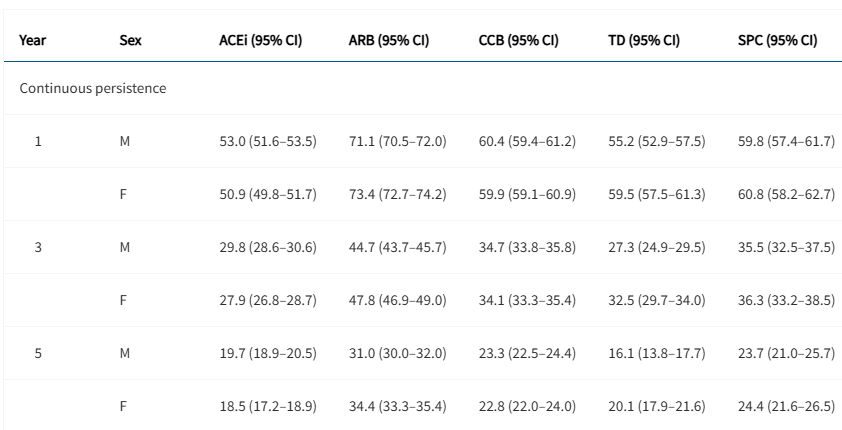
Blood Pressure Medication Adherence May Not Be Cost, It May Be Annoyance At Defensive Medicine

High blood pressure is an important risk factor for developing cardiovascular disease and premature...

User picture.
picture for Tommaso Dorigopicture for Fred Phillipspicture for Hontas Farmerpicture for picture for Patrick Lockerbypicture for Ilias Tyrovolas
Hank CampbellRSS Feed of this column.

I founded Science 2.0® in 2006 and since then it has become the world's largest independent science communications site, with over 300,000,000 direct readers and reach approaching one billion. Read More »

Blogroll
Phil Jones, head of the Climatic Research Unit at the University of East Anglia, had a life-changing event occur almost one year ago.   On November 19th, 2009, a thousand e-mail messages and documents, many his correspondence, were released to the public.

Many stressed that those messages were stolen(1), as if the process vindicated the content (would it do so if damning emails had been from Exxon or BP?) but that was small solace because climate science was already suffering backlash and climate science detractors had a field day alleging the entire process was tainted.
Blogging really only became a communications whirlwind when President George W. Bush was in the White House so, for the most part, science blogger outrage focused on his actions as President, and those of the Republican Congress.

Criticisms of Bush were so prevalent it seemed like Republicans must be anti-science because so many Democratic science bloggers said so (and there were no Republicans in science blogging to dispute it), with charges of reports being edited and various unpopular (and later, it turned out, not evidence-based) restrictions on areas like human embryonic stem cell research.
Let's be honest; life began on land.  I know, I know, that is blasphemy and Neil Shubin will stand on high and strike me down with my inner fish for saying such a thing, but while life began in water, life began on land.   

And that took land plants.  Thanks, embryophytes!

Generally, I have never cared much about plants.  I am kind of an anti-vegetarian in the sense that I don't eat plants, instead I regard plants as those things food eats in order to become bigger food.  I get the importance of plants scientifically, though.
Hurricane forecasts were way off again last year so if you're still wondering if a trained chimp 'can predict hurricanes better than NOAA'(1) a Nature Geoscience article has good news for you; forecasts can still be wrong 75% of the time but now can be wrong for years in advance too.
University of California president Mark G. Yudof has issued an 'open letter' to California to talk about the budget problems the system is facing and how they want to deal with the issues facing the state- "I am writing today to let Californians know about the fiscal realities that confront the university, and also about some recommendations I intend to bring next week to our governing Board of Regents. First, though, I'd like to provide a bit of background."

So I will list what he writes and then translate that into economic reality, as seen by people who actually live here but are not employed by the state.
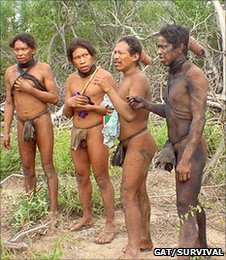
Conservation scientists from London's Natural History Museum (NHM) are traveling to Paraguay to record biodiversity.   The problem?  The Dry Chaco region they want to visit is home to the indigenous Ayoreo Indians, who are being put at risk by the trip, according to an indigenous peoples' advocacy group.

The Dry Chaco is a dry section that also covers parts of Argentina, Bolivia and Brazil and some of the Ayoreo people have never had contact with the outside world.