Fake Banner
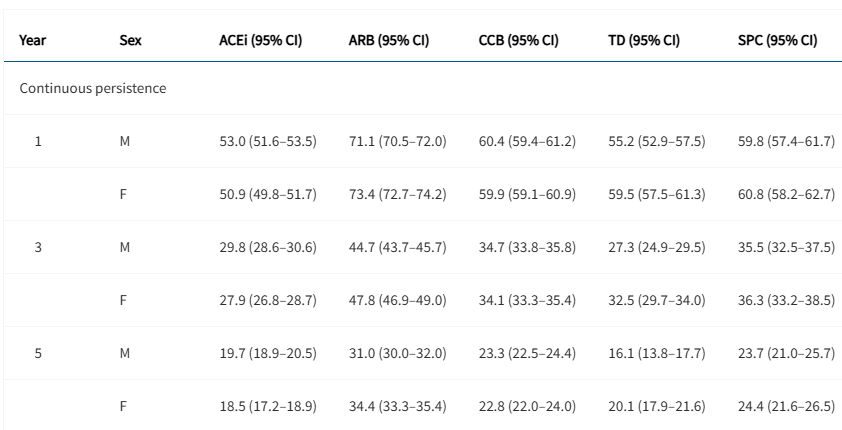
Blood Pressure Medication Adherence May Not Be Cost, It May Be Annoyance At Defensive Medicine

High blood pressure is an important risk factor for developing cardiovascular disease and premature...

On January 5th, Don't Get Divorced Because Of Hallmark Movies

The Monday after New Year's is colloquially called Divorce Day, but it's more than marriages ending...

Does Stress Make Holidate Sex More Likely?

Desire to have a short-term companion for the holidays - a "holidate" - is common enough that it...

To Boomers, An AI Relationship Is Not Cheating

A recent survey by found that over 28 percent of adults claim they have an intimate, even romantic...

User picture.
picture for Fred Phillipspicture for Tommaso Dorigopicture for picture for Patrick Lockerbypicture for Hontas Farmerpicture for Ilias Tyrovolas
Hank CampbellRSS Feed of this column.

I founded Science 2.0® in 2006 and since then it has become the world's largest independent science communications site, with over 300,000,000 direct readers and reach approaching one billion. Read More »

Blogroll

2007 was a big year for science, though it may be that we just noticed it more because it was our first year too. If you're reading this article, you're probably already a fan of our "just science" concept and it seems to be catching on everywhere.

We wanted to create a site where the best science writers, regardless of popularly or politics or ideology, could get together in one place and write about science, whenever they want on whatever topics they want. We went to top people in their fields; well-known authors, post-docs and professors in our various categories, and explained what we wanted to accomplish and the response, from writers and from the audience, has been fantastic.

In the 19th century, leaders like Bismarck understood that the politics of nation-states and warfare were going to be implemented by countries having the most effective transportation. Railroads required fuel and the notion of a 'strategic resource' - a resource essential for a modern country to be successful - was born.

The 20th century and the rise of tanks, planes and automobiles meant that oil was a strategic resource. If you didn't have it, you had to buy it and if you couldn't buy it, you had to fight to get it.

How many people will get the "Science 2.Ho Ho Ho" thing in the holiday banner? Not many, because no one reads blog posts yet. But in v2 of the interface they will.

Nothing is stranger than telling someone you play guitar and having them respond that you would therefore really enjoy playing "Guitar Hero" on a television.

Wouldn't the time they spent learning an interface and practicing a game have been better spent practicing on an actual guitar?

It would seem. There are some things that are fun to do virtually because obviously we can't do them in real life. In real life a British shoemaker got to put an end to Napoleon's dreams of conquest but I can't go back in time 200 years and learn to make shoes and go to war. Likewise I can't defeat alien Nazis in World War II but ... bowling? I can do that.

I just saw this MIT project called Knight Science Journalism Tracker, which looks quite polished. Unfortunately the only science writing they seem to know about is on Grist and then the usual media outlets. I guess actual scientists doing the writing slips under the radar. But it's fun to take a look at regardless of their surface-level insight into the science journalism world. When you have foundation funding, you don't have to dig as hard. And no, we can't get foundation money. The Knight foundation requires that you be government ( because, you know, governments need money ) or a charity.
The guys at RealClimate do a pretty good analysis of Past reconstructions: problems, pitfalls and progress in the context of puncturing some recent contrarian data. They leave out that this exact same argument (and there is a lack of zeal in demanding the same honesty from that side of that debate) applies to plenty of data that has been used suspiciously in numerical models. I will say it again, like I have a dozen times. In any science, if you have 50 million data points and choose 500, that's perfectly valid, but how you choose them and which data points you choose makes a huge difference in the results and far too many climate models have failed the honesty test there.