Fake Banner
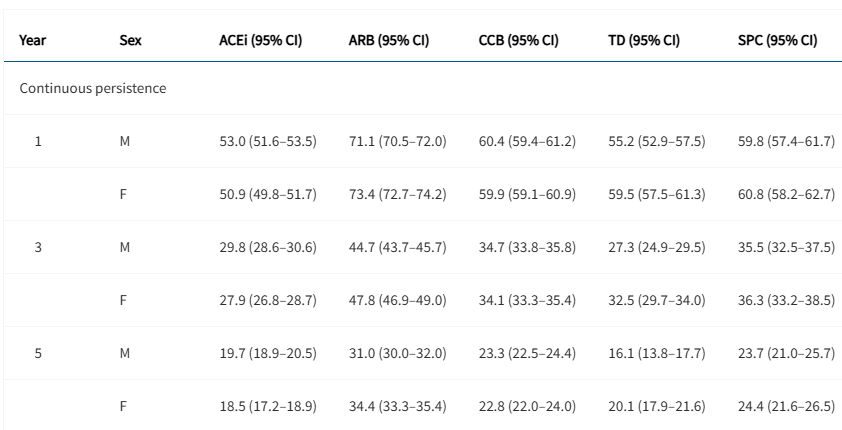
Blood Pressure Medication Adherence May Not Be Cost, It May Be Annoyance At Defensive Medicine

High blood pressure is an important risk factor for developing cardiovascular disease and premature...

On January 5th, Don't Get Divorced Because Of Hallmark Movies

The Monday after New Year's is colloquially called Divorce Day, but it's more than marriages ending...

Does Stress Make Holidate Sex More Likely?

Desire to have a short-term companion for the holidays - a "holidate" - is common enough that it...

To Boomers, An AI Relationship Is Not Cheating

A recent survey by found that over 28 percent of adults claim they have an intimate, even romantic...

User picture.
picture for Fred Phillipspicture for Tommaso Dorigopicture for picture for Patrick Lockerbypicture for Hontas Farmerpicture for Ilias Tyrovolas
Hank CampbellRSS Feed of this column.

I founded Science 2.0® in 2006 and since then it has become the world's largest independent science communications site, with over 300,000,000 direct readers and reach approaching one billion. Read More »

Blogroll
This is a test of out mini-blog functionality. This is so you can share quick links you found, blog pieces and thoughts that don't merit full articles.

ScientificBlogging.com Featured Columnist Jane Poynter has written a book, The Human Experiment: Two Years and Twenty Minutes Inside Biosphere 2 , discussing her experiences inside the legendary long-term science experiment.


Why do some online communities succeed, like Second Life, Facebook and, well, this one, and some fail?

The answer may be in what their communities think about 'giving' and it can tell us a lot about people in general.

Everyone does something on social sites for a reason. People like to 'get paid' even if that doesn't mean money. It is why people submit articles to Digg - submitters get the satisfaction of knowing they brought an interesting article to people that they may not have found themselves.

Human embryonic stem cells (hESC), new cells that are basically a biological blank slate, become more specialized as they develop and contribute to a number of organs and tissues. As such, they have the potential to treat diseases such as Parkinson’s but their progress has been slowed because of the ongoing ethical debate over how human embryonic stem cells are derived.

Some European countries - Austria, Germany, Ireland, Italy, Norway, Poland, Slovakia and Switzerland - forbid the creation of new hESC lines surplus embryos, even ones that remain from infertility procedures. In June, 2006 the EU parliament only narrowly agreed to fund stem-cell research, and then only as long as it excluded activities that involve destroying human embryos. In the US the restrictions are similar.

David Houle, media executive responsible for branding MTV, VH1 and CNN Headline News, has joined Science 2.0 start-up ScientificBlogging.com as a strategic advisor to handle marketing and corporate communications.