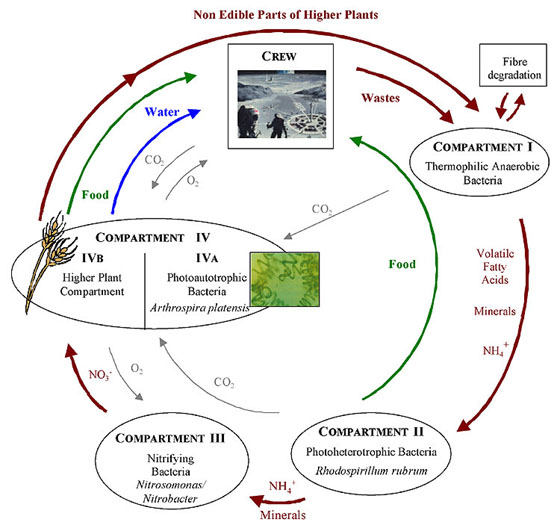
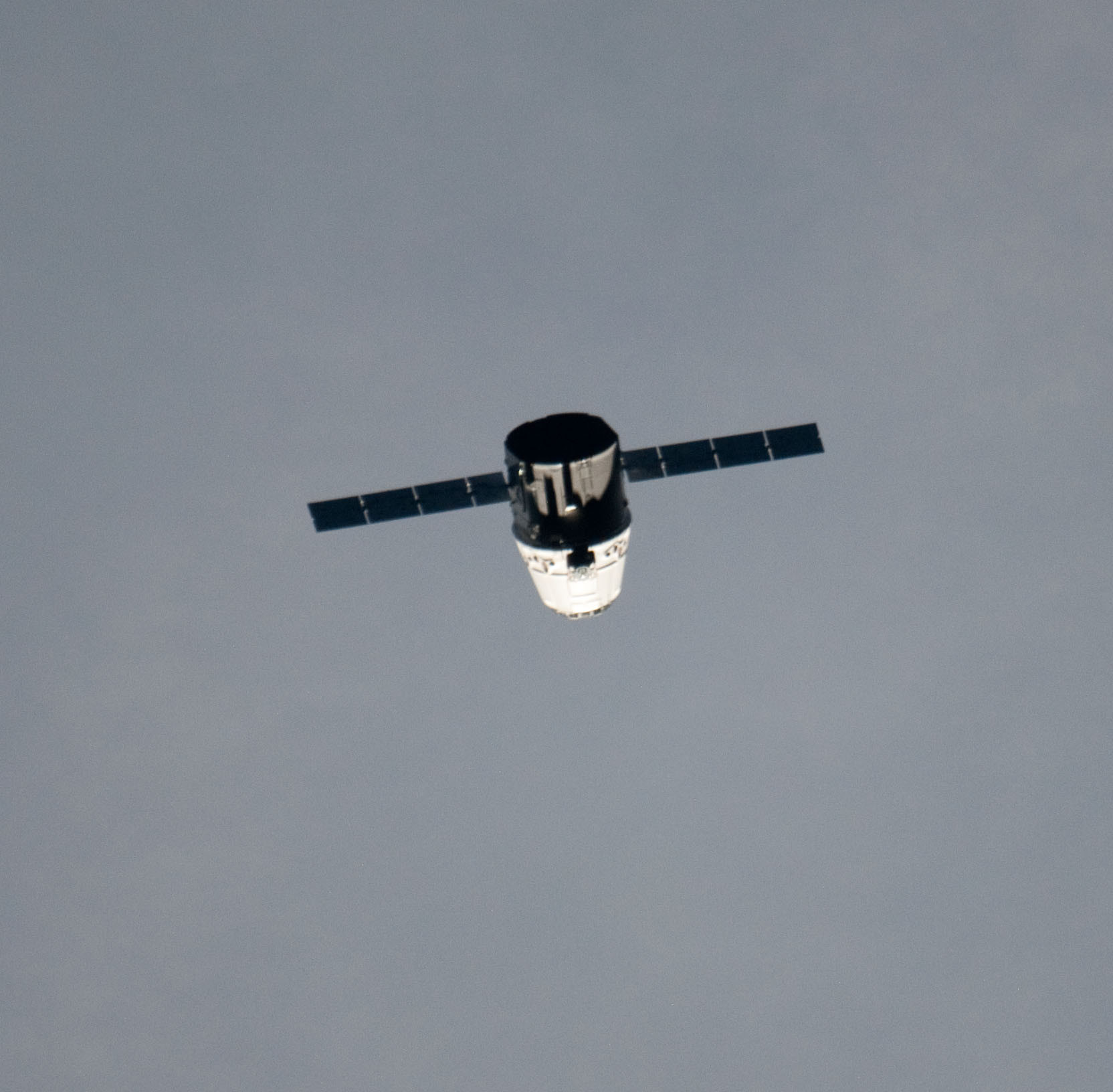
Space is an extremely hostile environment. You knew that, though no one wants to think about exploding instantly as their blood boils without an atmosphere (
or it does not - like
how airplanes fly,
this seems to still be a debate). Most planets aren't all that much better.
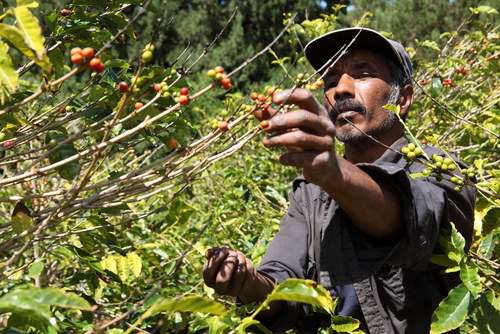
The fair trade movement is in its seventh decade but has an internal problem. Fair trade, as a concept, sought originally to make sure small people got a fair deal - a Mennonite visiting Puerto Rico saw the poverty levels of people there and decided to help them make more money, rather than advocating to give them government handouts (I know, I know, zany religious types).
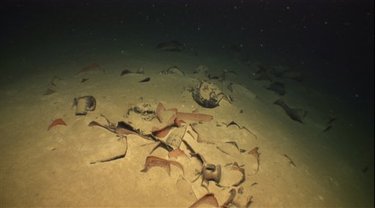
Ancient sunken ships are generally found in shallow water 100 or so, but two Roman-era shipwrecks have been found almost a mile deep in waters off the islands of Corfu and Paxoi, the Ionian Sea between western Greece and Italy.
The wrecks are from the third century A.D. and lend more evidence to the idea that bolder ancient shipmasters did not just stick to coastal routes and ventured into the open sea. Of course, since they are wrecks it also explains why more cautious trade captains absolutely did stick to coastal routes when they could. Smaller vessels such as this, 80 feet long and usually loaded with cargo and not built for open water navigation, liked to be closer to land to save the crew if things went wrong.
June 5, 2012 you get to share a communal experience with scientists from hundreds of years ago. No, I don't mean Calculus, I mean one of the rarest and more interesting recurring events science has been able to witness since the invention of the telescope - a transit of Venus.
You may not have heard of it but you know of it if you ever wondered how astronomers were able to calculate how far away the Sun is from Earth - the basis of the Astronomical Unit (AU) that is eponymous today.
The Square Kilometre Array telescope will be the world’s largest and most sensitive radio telescope, but it had a bit of a problem most big science projects do not have; multiple countries wanted to host it.
Is it cheaper to privatize deliveries? Sure is, that is why UPS and FedEx are doing well and the US Post Office is now advertising that companies should send more junk mail and waste natural resources.(1)


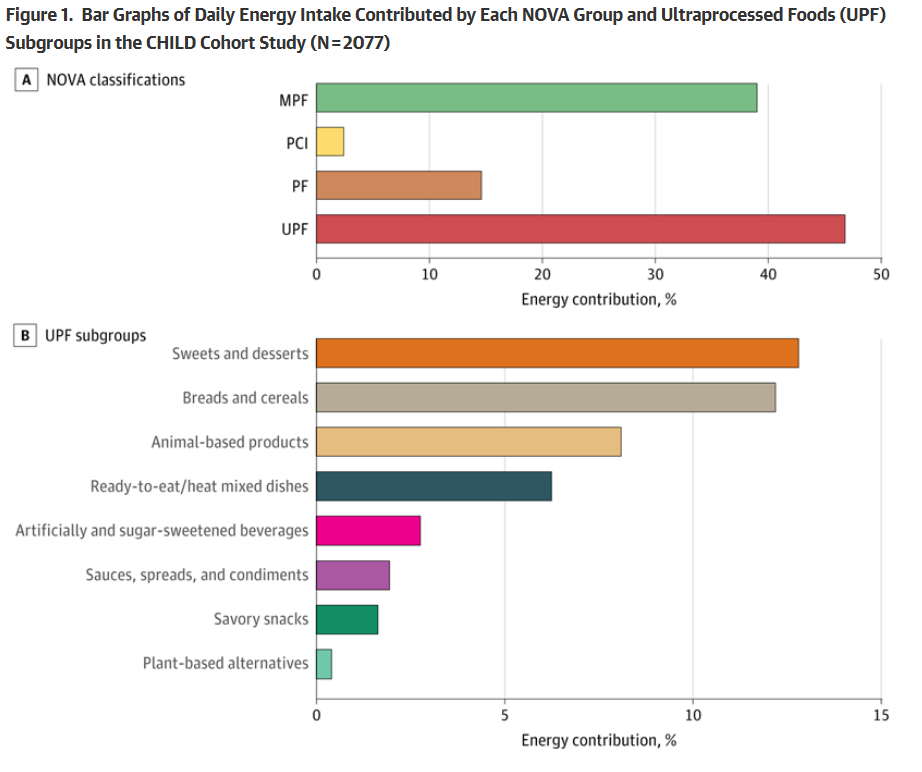 Canadian Epidemiologists Claim Processed Foods Cause Bad Kids
 What AI Can't Do: Humanity’s Last Exam
 Does NBA Income Inequality Impact Team Performance?
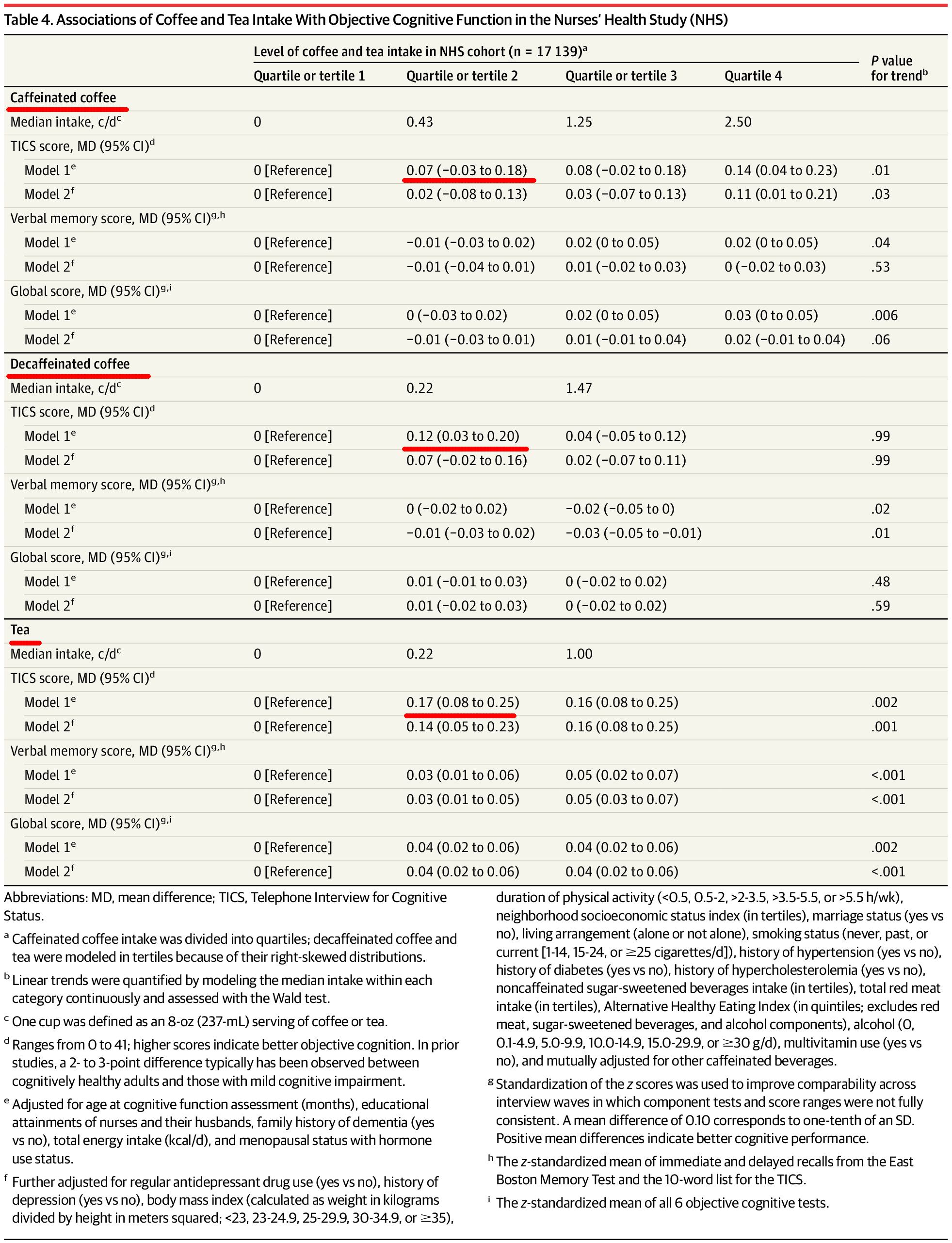 Dogs And Coffee: Finally, Epidemiology You Can Trust