Some detractors believe science is an 'old boys network' resistant to outsiders - if that were true, a group of young boys and girls wouldn't have their first journal publication. At age eight.
Biology Letters has a study conducted by an English elementary school (Devon) and the young investigators examined the way bees see colors and patterns (buff-tailed bumble-bee - Bombus terrestris). Their lab? A local churchyard.
Using the scientific method and time-honored experimental procedures, they "provide convincing evidence that bees can transpose between learned colour, pattern and spatial cues when encountering changes in a coloured scene."
In the 1989 holiday classic "Scrooged", the chairman of the television network predicts that because there were so many pets in America they would become steady viewers in 20 years - which would be 2009. So he asks network executive Bill Murray to introduce Door Mice instead of Door Men in their live Christmas Eve version of Dickens' "A Christmas Carol", in order to get a head start on appealing to television-watching pets.
Far fetched? Perhaps, though singing mice are sure to get everyone's attention, not just your cat.
Oh no, not again. When I was young the buzz was about the coming Ice Age - and it was common sense. Since 90,000 out of every 100,000 years of human history have been Ice Ages and it's been 12,000 years since the last one, logically we have been overdue.
But simple physics says that when you add more people and more pollution to a finite space things will get warmer so warming is a lot more likely than cooling.
The American chestnut tree (Castanea dentata) was once among the most culturally and economically important trees in the eastern United States but in the last century more than four billion trees were lost due to chestnut blight.
Along with the hardwood the trees provided, the chestnut was important for both humans and livestock - not only eaten, chestnuts were a cash crop for people in the Appalachians because street vendors in big cities sold them fresh-roasted to passers by. It's in The Christmas Song!
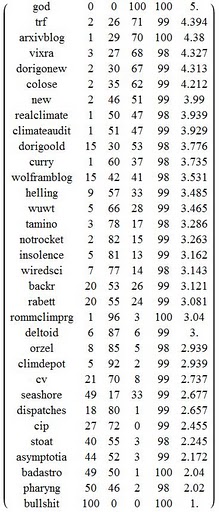
On his Reference Frame site, contrarian physicist Luboš Motl uses Google to determine the 'reading level' of some science blogs, with, he says,
"Basic" being 1 star, "intermediate" 3 stars and "advanced" counted by having 5 stars.
Martin Gaskell did not get a job as the director of a new student observatory at the University of Kentucky and says he thinks his religion is behind it.
So for all those who say academia is too politically correct, take heart - if this is true, academics can be bigots just like anyone else, at least as long as it's a Christian being denied rights.
One member of the hiring board described his qualifications as "breathtakingly above the other applicants" but there are lots of things that go into hiring so that can't be the only factor and if it turns out to be other issues, that is okay. Yet it looks bad, since apparently others worried his being a Christian would conflict with his science.


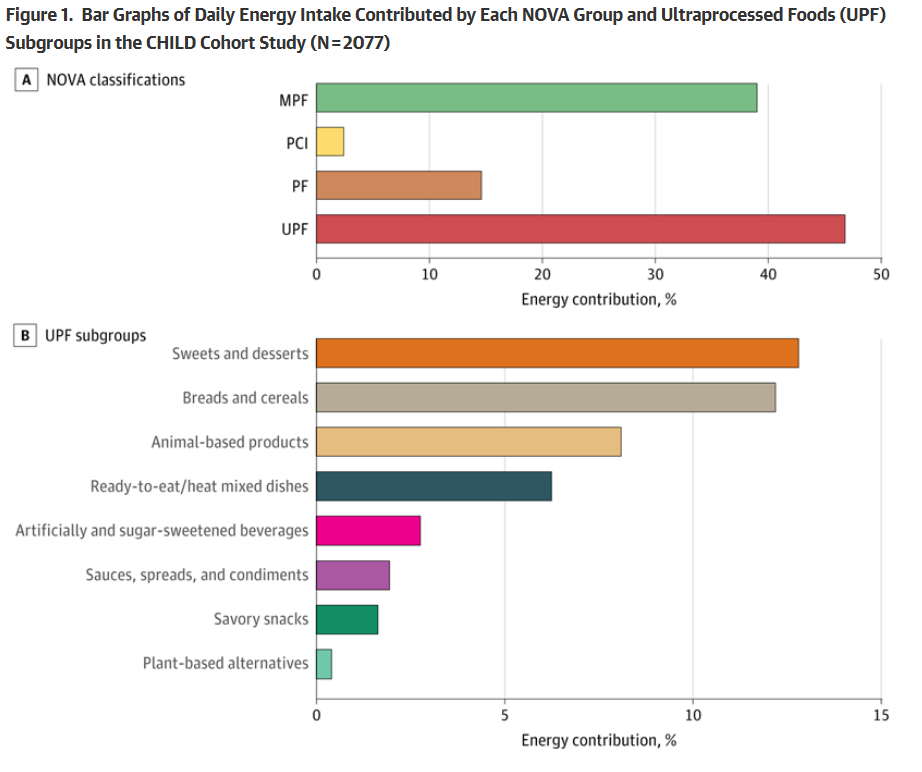 Canadian Epidemiologists Claim Processed Foods Cause Bad Kids
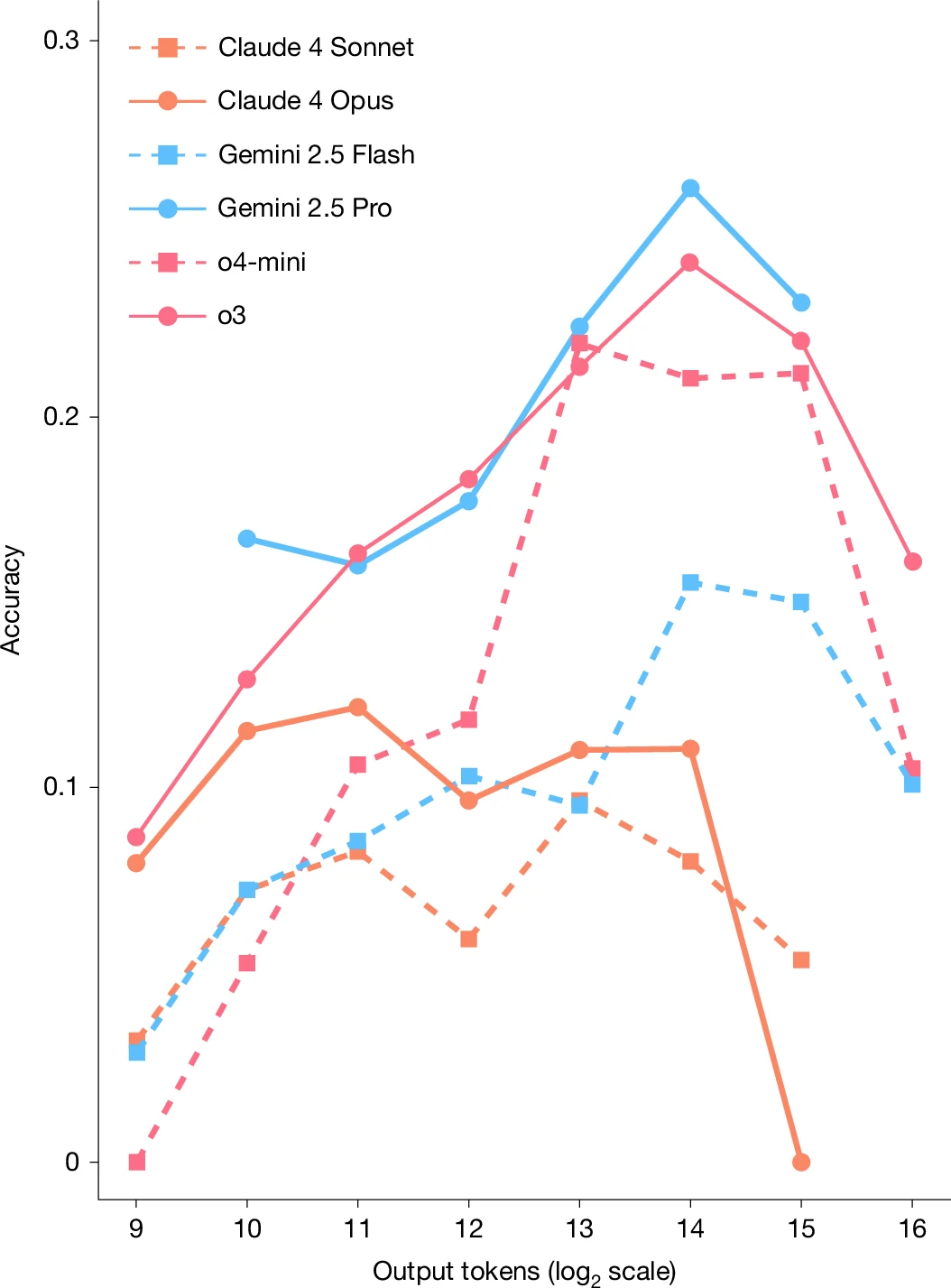 What AI Can't Do: Humanity’s Last Exam
 Does NBA Income Inequality Impact Team Performance?
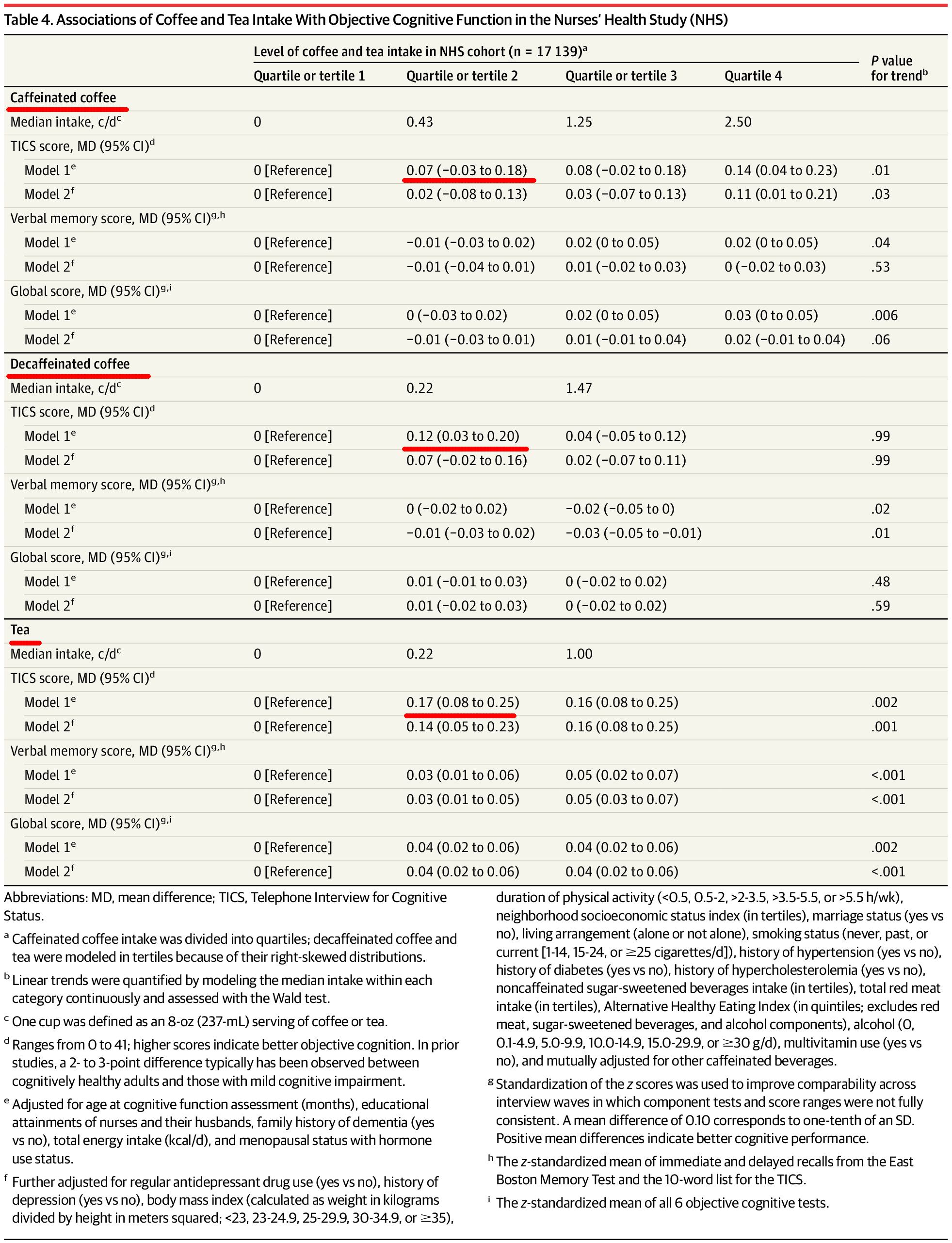 Dogs And Coffee: Finally, Epidemiology You Can Trust