The dose makes the poison, except in academic epidemiology, where H-Index and citations necessitate writing papers claiming any dose is toxic.
This is why EXPLORATORY claims aren't actually science itself. When your only method is to ask people what products they use, if they feel sad, angry, or have a disease, and then correlating the product you wanted to target to the malady, it is easy to understand why during COVID-19 disease epidemiologists had a difficult time getting traction - they had never stood up to the cranks at Harvard School of Public Health and National Institute of Environmental Health Sciences using food surveys to try and scare people about everything.
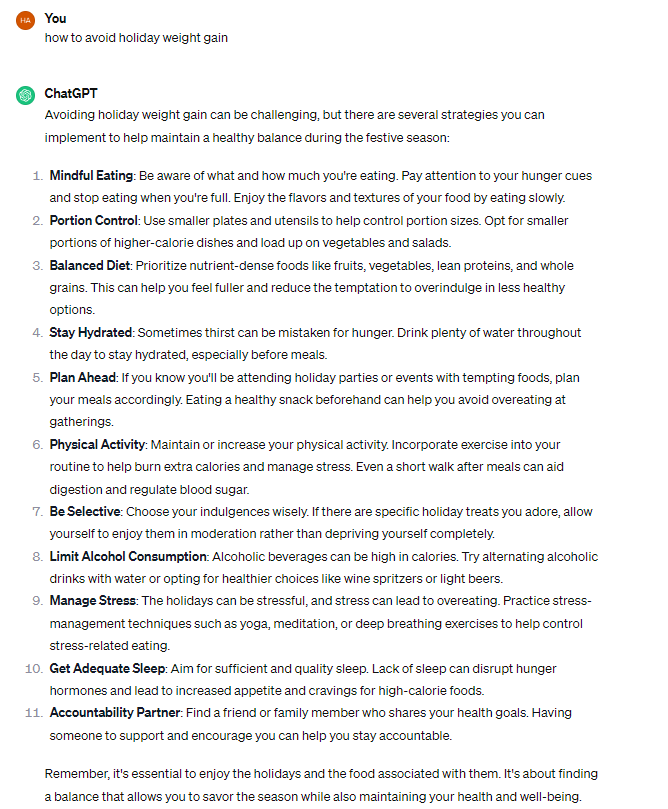
Data tools like ChatGPT, colloquially called Artificial Intelligence (if you think a fancy autocomplete is actual AI), have the promise to do a lot of good. There are some concerns about human content 'creators' being replaced but we don't miss the 150,000 fewer bank tellers we had before the rise of ATMs and a lot of writing done by humans is pretty generic.
It's that time of year when activists, academics, and social media mavens hoping for media coverage begin to promote worry about Thanksgiving.
Some risks are real, even if relatively slight; a lot more people driving mean more accidents and if you have a family member who is an International Agency for Research on Cancer epidemiologist, they will ignore the greater amount of driving and just tell you that Thanksgiving is deadly.(1) Food safety matters. Turkey should be 165 degrees Fahrenheit and ham 145, but anyone telling you that in a press release might as well be taking the bold stand of endorsing clean water.
Microplastics are a kernel of biological concern that gets magnified by hype, like endocrine "disrupting" chemicals or weedkillers detectable in breast milk. In modern times, we can detect anything in anything, so the 'zero' levels of the 1960s no longer exist, because testing is 1,000,000 times more sensitive than it was in the past.
Government forces automobile companies to sell electric cars - and then forces all taxpayers to subsidize the purchases. With mandates and subsidies, there is no free market and that means companies primarily want to make the cars that will generate the most profit, which means the most expensive. The opposite of capitalism.
Like the CDC manufacturing a prediabetes epidemic and pregnant women getting a scarlet letter if they have a glass of wine while pregnant, flossing seems to be a distinctly American phenomenon. Are we right? The British are famous for bad teeth, for example, and fiscal conservatives will say that's because dental care is not free under their socialized medicine. They must not floss, right?
Well, they don't, but it may not matter. Most people in Europe who have great teeth don't floss. They think it is humorous that we pull string through our teeth the same way European women wonder why their babies don't have more birth defects if a glass of wine causes fetal alcohol syndrome.


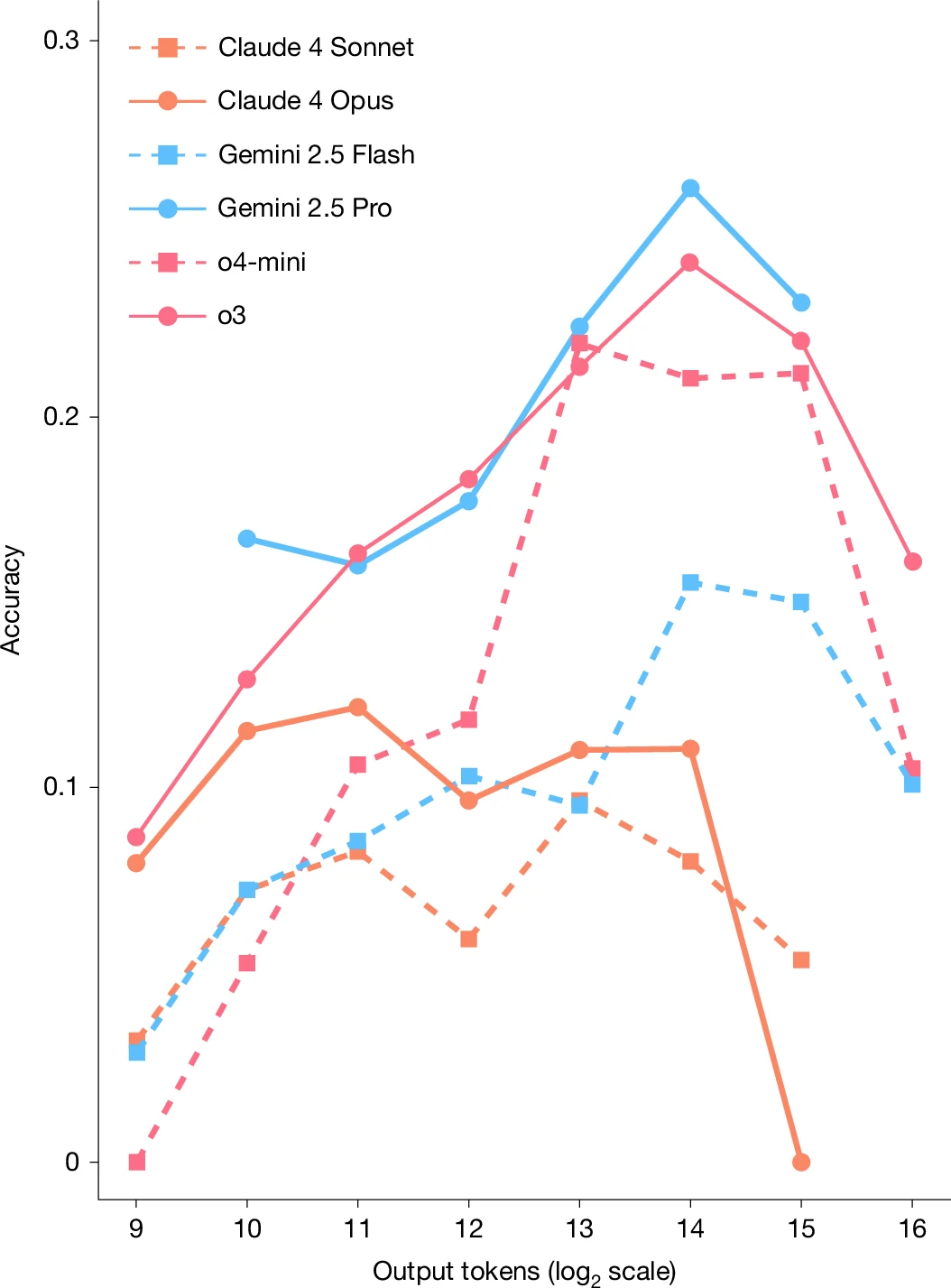 What AI Can't Do: Humanity’s Last Exam
 Does NBA Income Inequality Impact Team Performance?
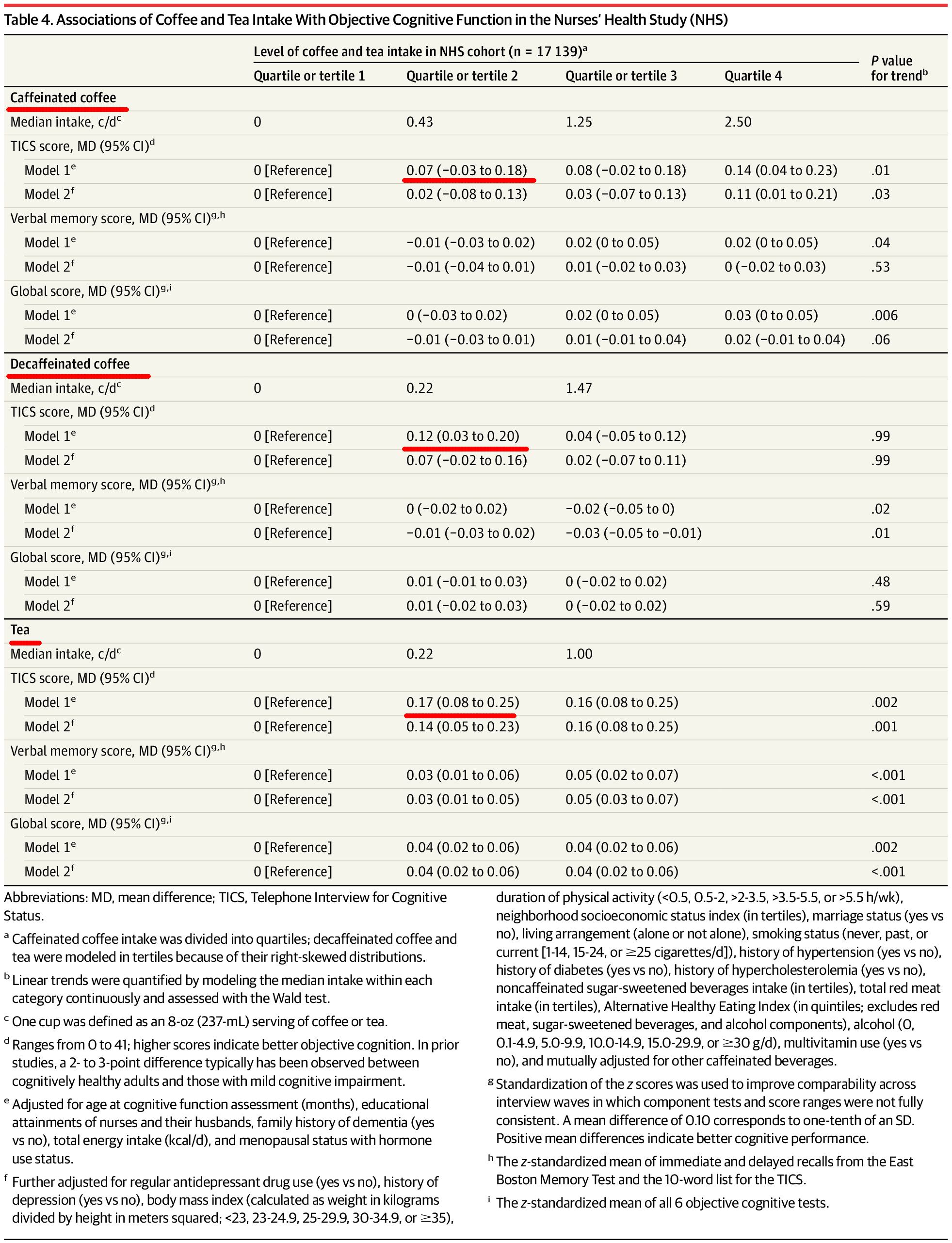 Dogs And Coffee: Finally, Epidemiology You Can Trust
 Chloe Kim And Eileen Gu In Media As Anti-Asian Narrative