Fake Banner
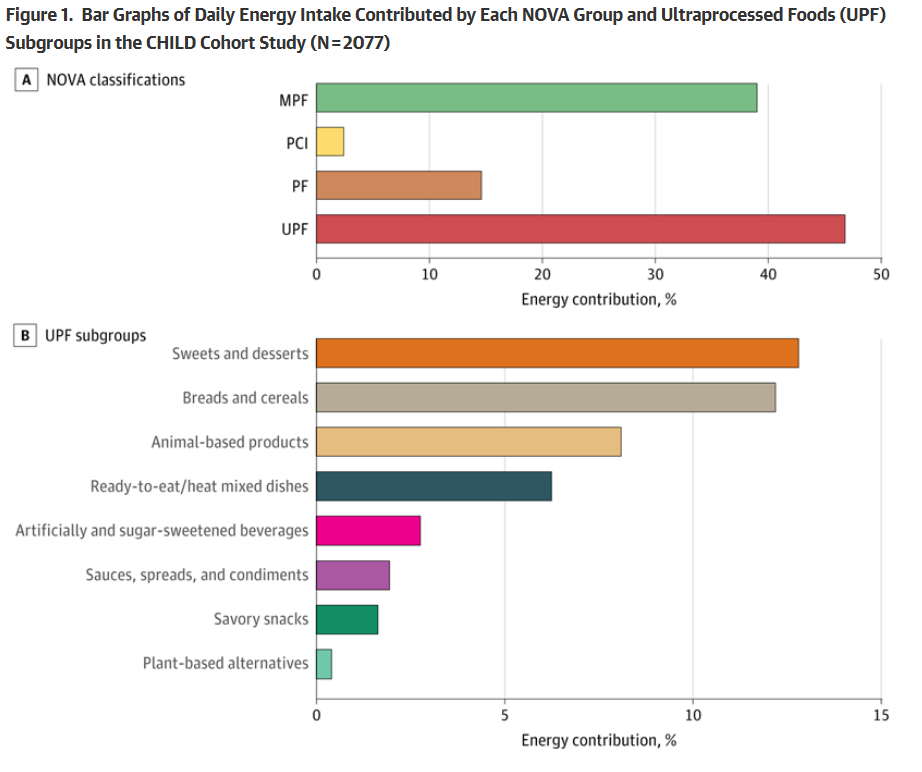
Canadian Epidemiologists Claim Processed Foods Cause Bad Kids

A cohort analysis of preschoolers in Canada has led the authors of the paper to call for bans...
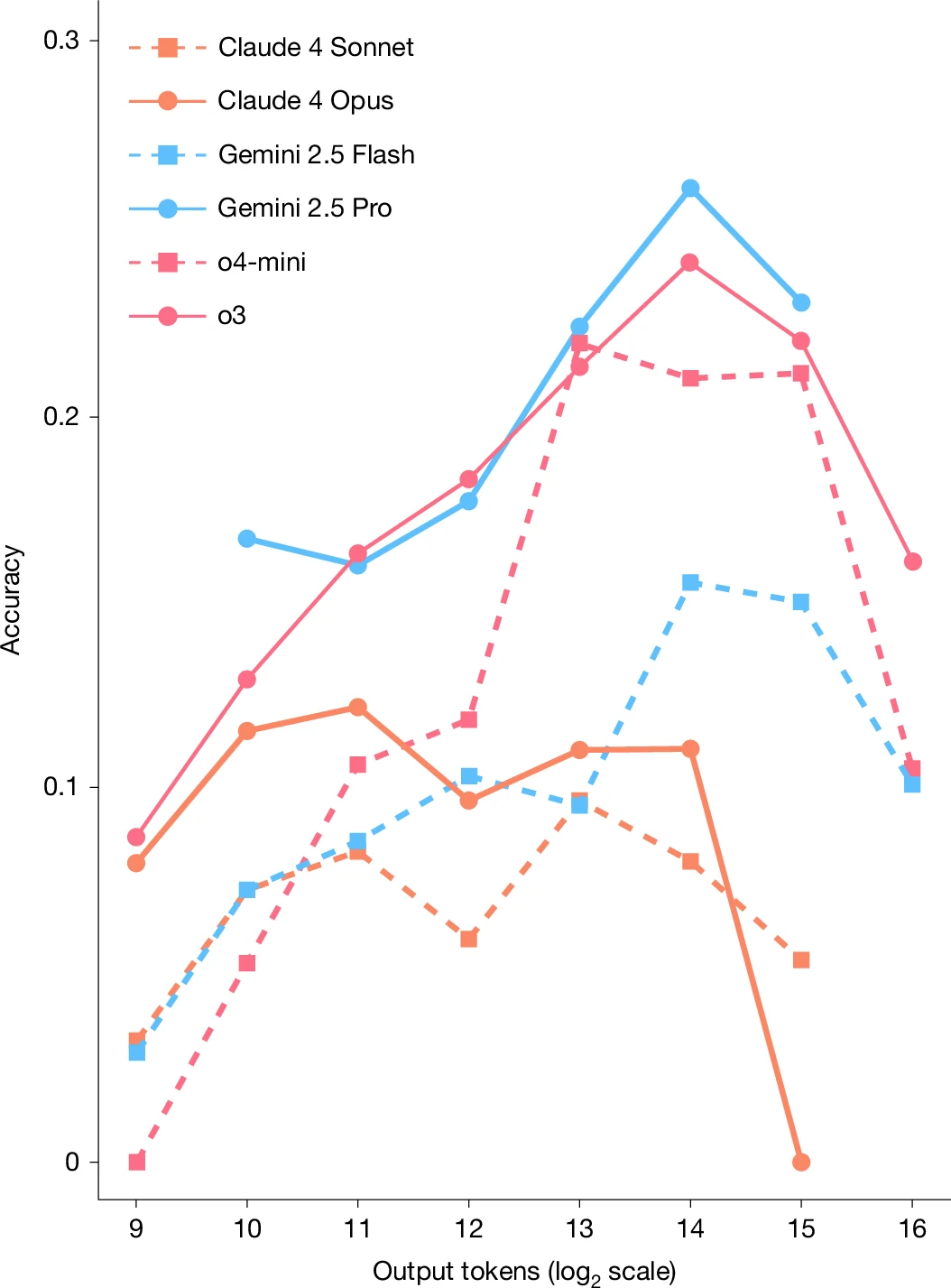
What AI Can't Do: Humanity’s Last Exam

By this time 26 years ago, the "Dot-Com Bubble" was ready to burst. People who wanted to raise...

Does NBA Income Inequality Impact Team Performance?

A new paper says that players where a few superstars get the money leads to less cooperation and...
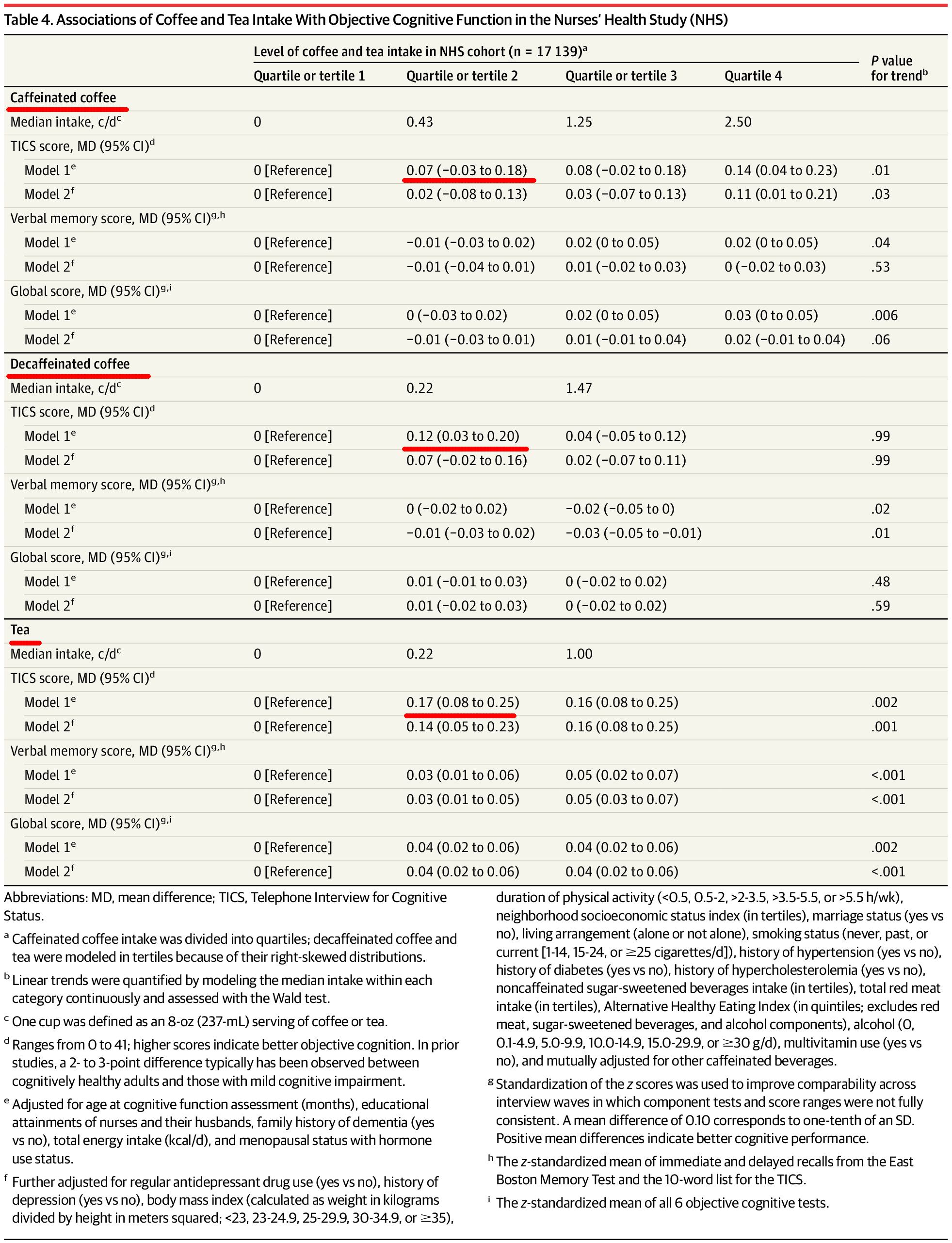
Dogs And Coffee: Finally, Epidemiology You Can Trust

In 2026, it is easy to feel intellectually knocked around by all of the health claims you read...

User picture.
picture for picture for Tommaso Dorigopicture for Fred Phillipspicture for Hontas Farmerpicture for Atreyee Bhattacharyapicture for Patrick Lockerby
Hank CampbellRSS Feed of this column.

I founded Science 2.0® in 2006 and since then it has become the world's largest independent science communications site, with over 300,000,000 direct readers and reach approaching one billion. Read More »

Blogroll
"Anti-science" or "cautious" ... how you regard skeptics of positions that are ethically or scientifically subjective is often a matter of how you already believe.   If you are a Republican concerned about the ethical implications of human embryonic stem cell research, whole books can be written on how Republicans hate science.   But if you are in astronomy and have watched every program started during the Bush years get gutted since Democrats took control of Congress, you might think Democrats hate Congress(1) more.  In reality there are legitimate issues involved and it is up to policy makers to navigate them.
Say you have a curious kid and you want to confirm the planet is round to, you know, show off how experimental results can verify mathematical ones.    If you are with the Brooklyn Space Program group, you build your own spacecraft, of course.

But it isn't that easy.    You can put a camera on a balloon, sure, but your camera needs to survive 100 MPH winds, temperatures of -60, speeds of 150 MPH and maybe a water landing.  To find it if it does land safely, you need to have a GPS attached that transmits coordinates to a cell tower.

Here is their story:
A persistent hypothesis is that perhaps life did not 'originate' on Earth at all, perhaps its building blocks came from space.

In April, the public, fed by astronomy's runaway hype train, were excited by the discovery of water on an asteroid - but it was exciting, it was just the conjecture that followed was a little cloying.
Publishing is evolving and, of the big publishers (The Lancet, Cell, etc.), no one is more forward-thinking than Elsevier.   

They recently announced Article-Based Publishing, their new way to  publish articles as final (and citable) without needing to wait for the full journal to be complete.  Article-Based Publishing is the assigning of final citation data on an article-by-article basis, separate from production of the journal issue.
The discovery of Gliese 581g was cause for rampant hype almost everywhere but here, along with some rather ridiculous claims that there was a 100% chance of life there.

The actual paper authors were more reserved, though astronomy is far bolder than biology in terms of its participants hyping findings and generally physics is pretty reserved (exception: LHC claims when it was being funded and built - now that the marketing is over, the call for perspective has set in) outside dark matter and dark energy, where anything goes.
A new study published in Cell Metabolism says it has increased the lifespan of middle-aged mice by 12% using a combination of three amino acids as supplements.

Branched-chain amino acids (BCAAs) have extended life span in yeast but this is the first time these amino acids have been shown to work in mammals, the researchers say.