Fake Banner
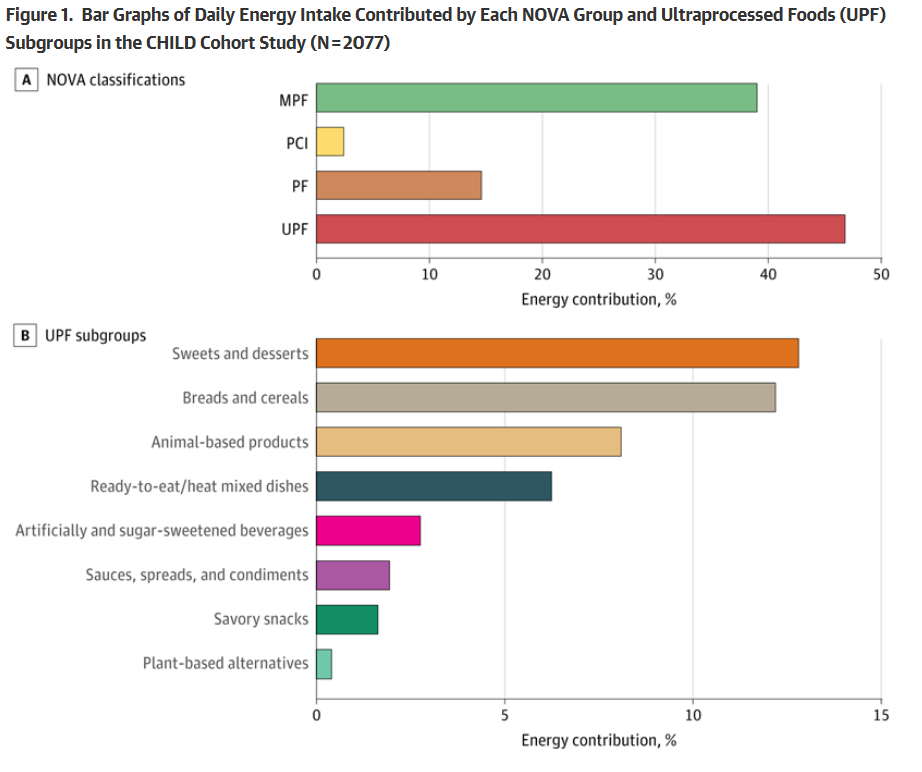
Canadian Epidemiologists Claim Processed Foods Cause Bad Kids

A cohort analysis of preschoolers in Canada has led the authors of the paper to call for bans...
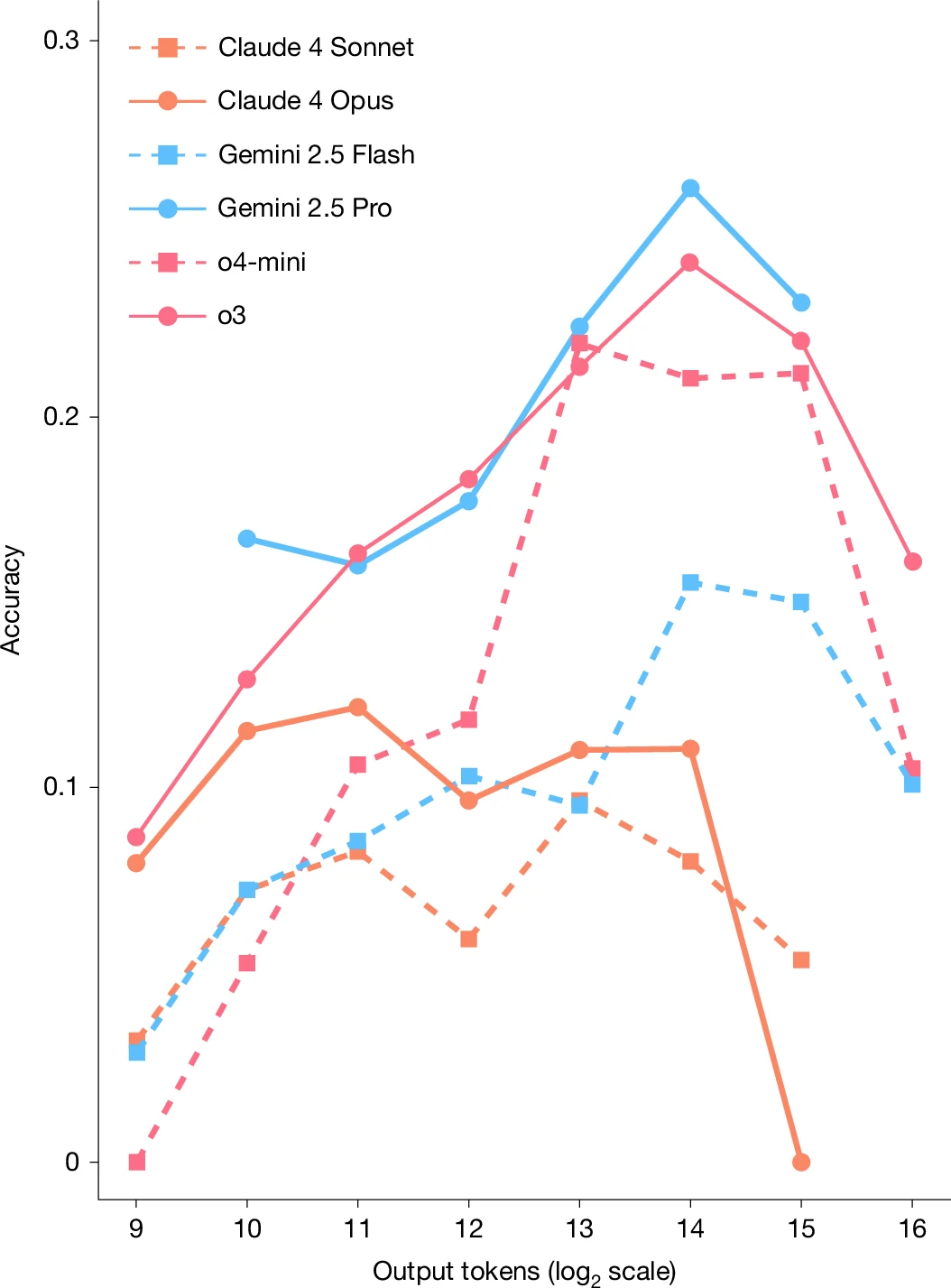
What AI Can't Do: Humanity’s Last Exam

By this time 26 years ago, the "Dot-Com Bubble" was ready to burst. People who wanted to raise...

Does NBA Income Inequality Impact Team Performance?

A new paper says that players where a few superstars get the money leads to less cooperation and...
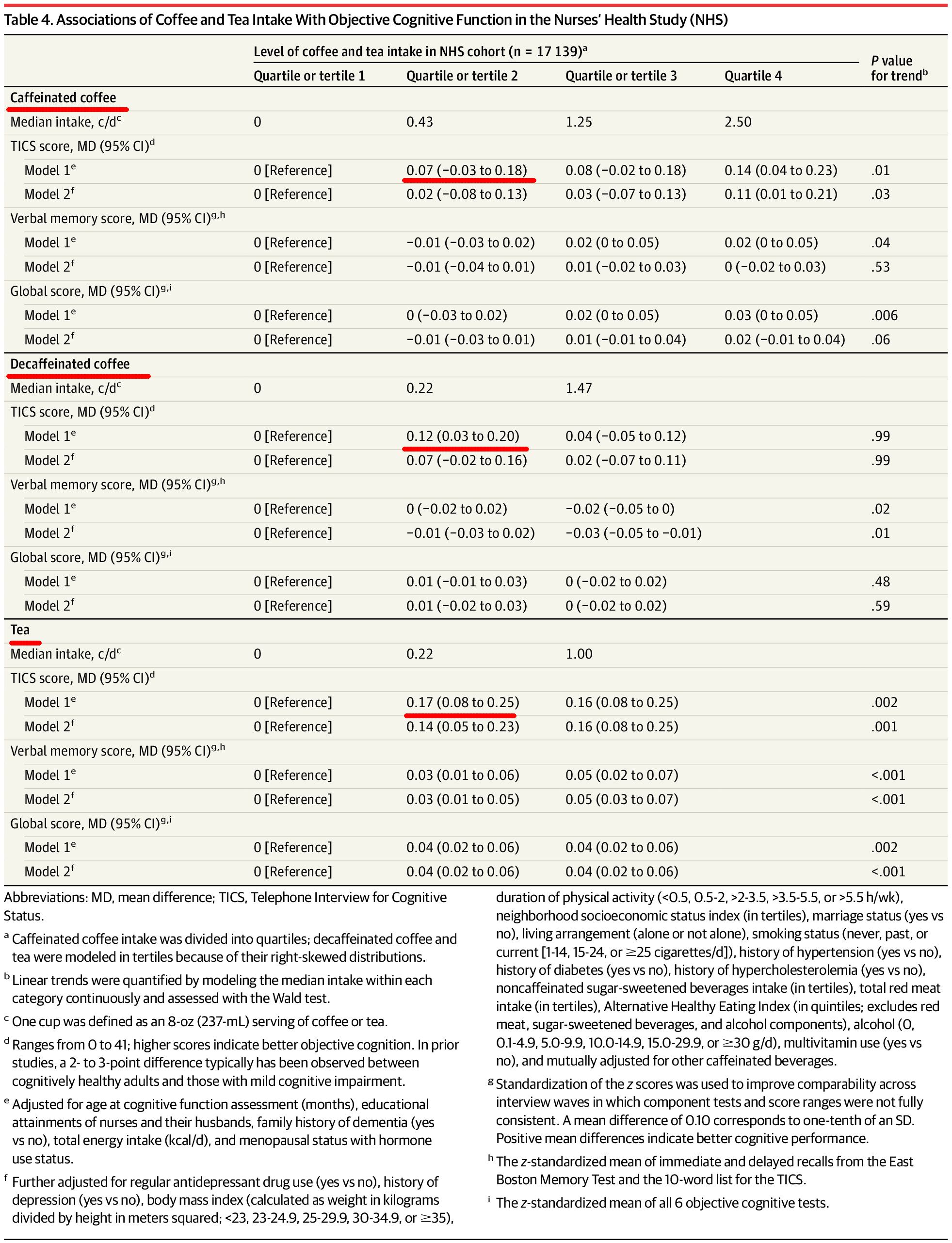
Dogs And Coffee: Finally, Epidemiology You Can Trust

In 2026, it is easy to feel intellectually knocked around by all of the health claims you read...

User picture.
picture for picture for Tommaso Dorigopicture for Fred Phillipspicture for Hontas Farmerpicture for Atreyee Bhattacharyapicture for Patrick Lockerby
Hank CampbellRSS Feed of this column.

I founded Science 2.0® in 2006 and since then it has become the world's largest independent science communications site, with over 300,000,000 direct readers and reach approaching one billion. Read More »

Blogroll
We've had our first missing link of 2010.  What, you ask?  Was the missing link not discovered twice even last year?  Well, yes, if you read the mainstream media it happens quite often.  And it is happening again this week so look for plenty of news reports.

But just in case you are out there and need to write one of your own, here is a handy template you can use, based on my experience.

**********

The Mainstream Media Missing Link Article Generator
You probably think that because I started a hybrid social media/science media darling like Scientific Blogging, adored by many, I must know a lot of people.   Just the opposite is true.  I know shockingly few, so I never have those awkward moments where I get a phone call and someone says "It's me" and I have to stall and keep them talking long enough to figure out who they are.  Because no one has my phone number and the few who do are more surprised if I answer. I am going to recognize the voices of anyone who has it.
Greg Critser started blogging here within a month after we opened the doors.  How did he hear of us?   I have no idea and neither does he but shortly after we started we were referenced by lots of well-known writers like Andrew Sullivan and Greg and many others.   
Bloggy recently crashed a meeting of The Coalition on the Public Understanding of Science (COPUS).  What is that, you ask?  Okay, I never heard of it either but their website says they are a "growing grassroots network of universities, scientific societies, science centers and museums, government agencies, advocacy groups, media, schools, educators, businesses, and industry - basically, anyone who cares about science and is concerned about national scientific literacy."
Having once been an environmental activist, one thing that bothers me about modern day environmental activists (*) is their insistence, despite any evidence, that jamming people into cities and going to Farmer's Markets and having governments buy huge swaths of land that can't be used by anyone is a good thing.   Emotional arguments mobilize zealots who are already convinced but do very little for the undecided.  But common sense and data do.

If most people were going to predict which city would instead have a common sense plan to get greener without more bloated government employment or a bigger deficit or laws, very few people would have said Detroit.
If you want to have staying power on the Internet, you need to have turnover, says a new analysis published in the Proceedings of the 2010 ACM conference on Computer supported cooperative work.

Not only do you need to be 'heterogeneous', you need to be diverse.