Fake Banner
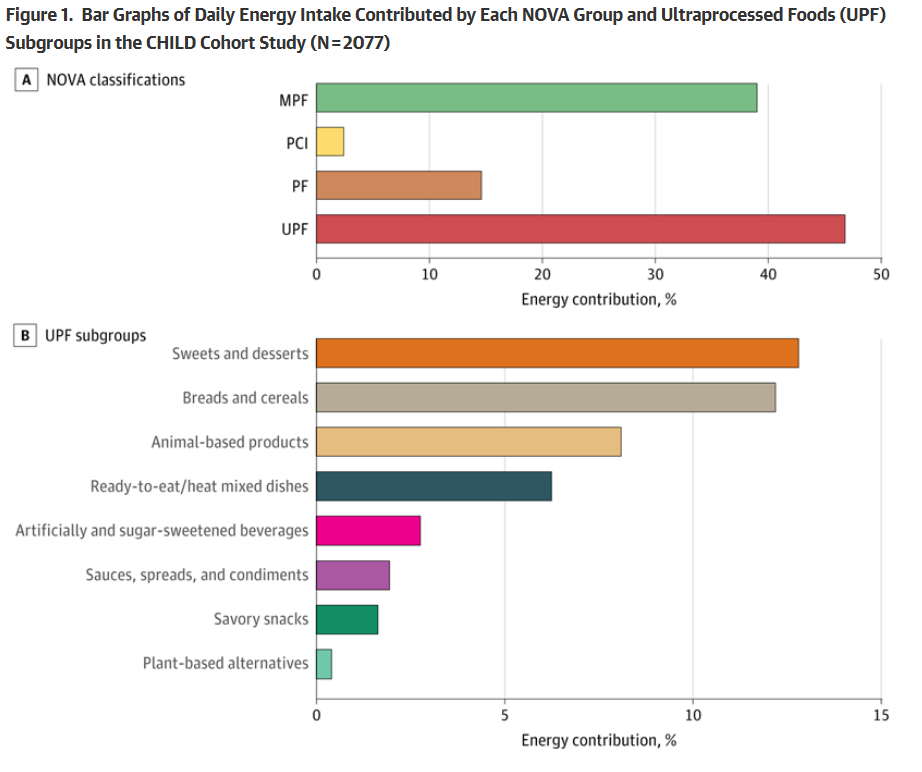
Canadian Epidemiologists Claim Processed Foods Cause Bad Kids

A cohort analysis of preschoolers in Canada has led the authors of the paper to call for bans...
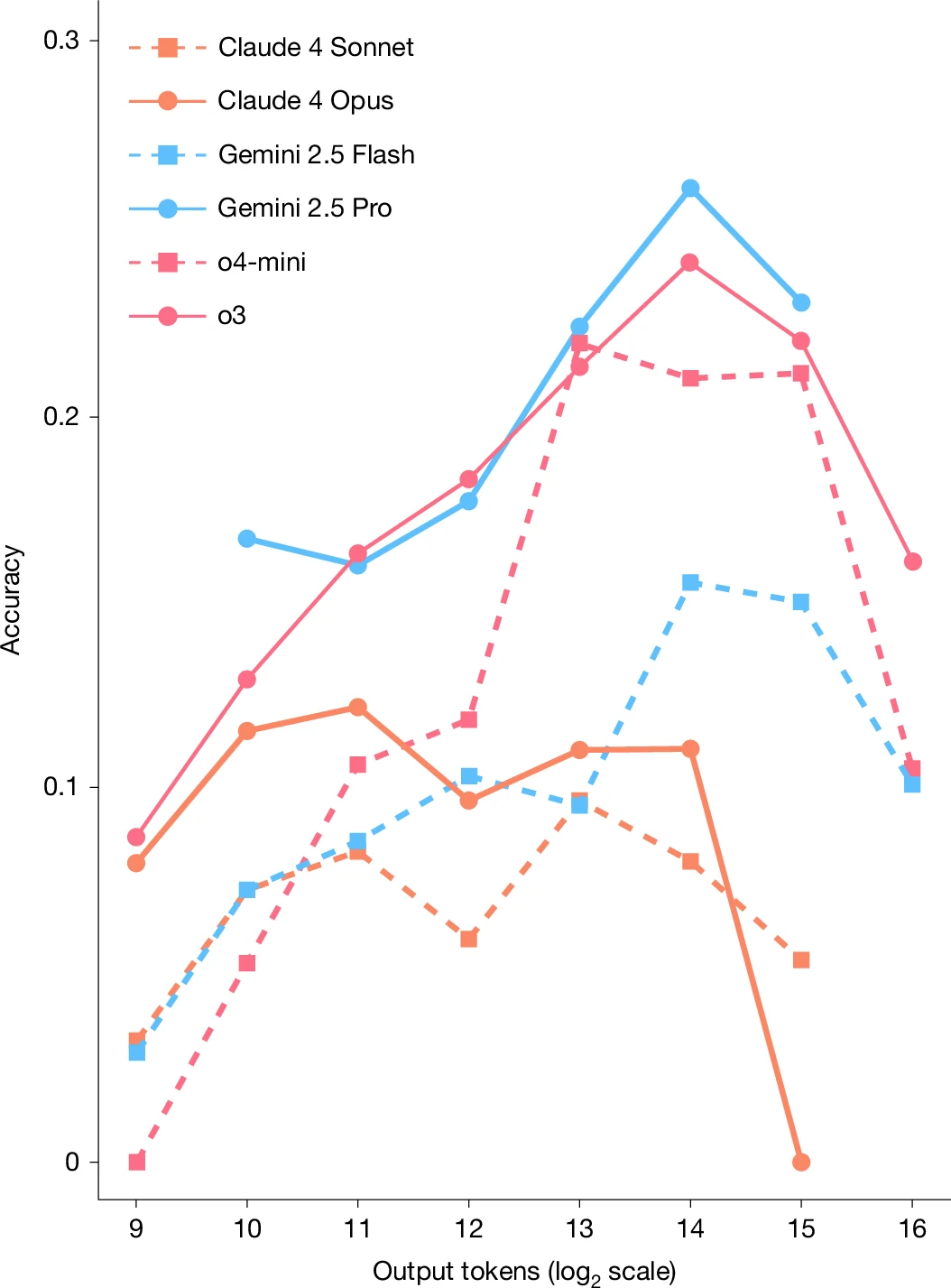
What AI Can't Do: Humanity’s Last Exam

By this time 26 years ago, the "Dot-Com Bubble" was ready to burst. People who wanted to raise...

Does NBA Income Inequality Impact Team Performance?

A new paper says that players where a few superstars get the money leads to less cooperation and...
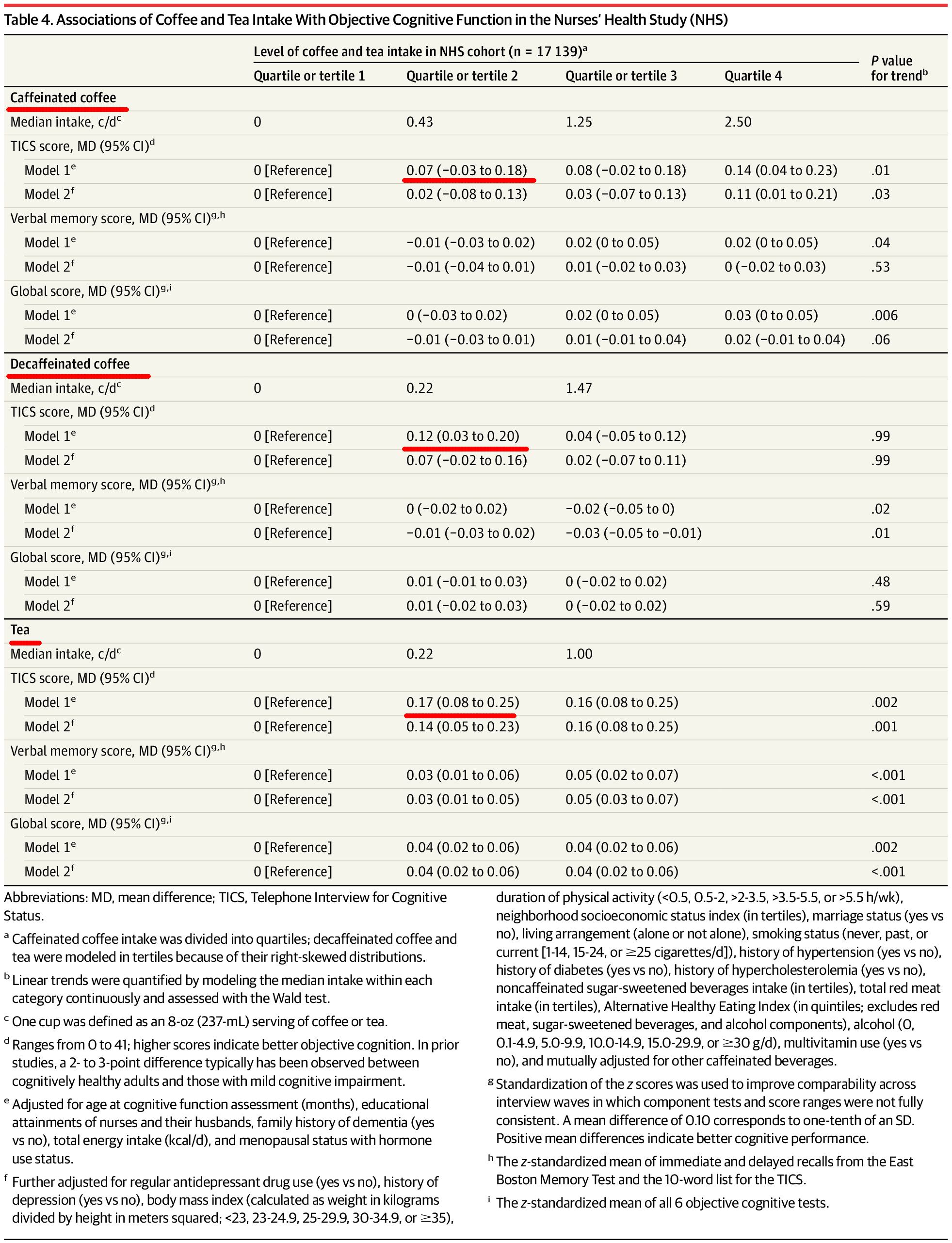
Dogs And Coffee: Finally, Epidemiology You Can Trust

In 2026, it is easy to feel intellectually knocked around by all of the health claims you read...

User picture.
picture for picture for Tommaso Dorigopicture for Fred Phillipspicture for Hontas Farmerpicture for Atreyee Bhattacharyapicture for Patrick Lockerby
Hank CampbellRSS Feed of this column.

I founded Science 2.0® in 2006 and since then it has become the world's largest independent science communications site, with over 300,000,000 direct readers and reach approaching one billion. Read More »

Blogroll
Quick, can you answer the question about the dog with the neuromuscular disease myasthenia gravis?   If not, you'd be lost at Neurobowl, the highlight of the annual meeting of the American Academy of Neurology.

Poseurs need not apply.  Though they all know the drinking game, these cats make fun of the medical riddles and the doctors on the TV show "House."   Except for Olivia Wilde ("Thirteen").   They all like her.

Olivia Wilde

In 1930, in the Highlands of New Guinea, a group of Australian brothers looking for gold stumbled across thousands of Stone Age people who had no concept of the outside world.

They happened to bring a movie camera.   And that's probably all I need to say.

On a science site, we can make anything about science, including religious holidays.    Of course, there are some things that we can never know, because they involve the subjective nature of people and a history that's necessarily muddled.    We can't get people to agree on what happened during the Bush presidency despite millions of monkeys writing about it on the internet so deciphering what happened and why some 2,000 years ago is a special sort of impossible.(1)
There was a time when it was virtually impossible not to believe in God.   That made sense; life had (and certainly still has) many mysteries and a divine hand made sense of an irrational world, at least in the sense that you could believe in one supernatural thing rather than many.

But over time two important things happened that should have killed religion; the world got 'smaller' in the sense that a lot more information about people and cultures became available and science was able to explain a much larger, very fundamental and far-reaching set of things about the world in terms of natural laws.
Every once in a while people ask me about various features or functionality so, since it's a Saturday on a holiday weekend and there won't be as many people reading as usual (who want good science and not rubbish from me) I figure this is a good time.

1) The comment tracker in the upper right is my default way to know what is going on.   Why?  Because I have a lot of people on my friend list so if one of you has commented on an article, the comment tracker tells me; that basically means the community has already done the work telling me what is worth talking about.
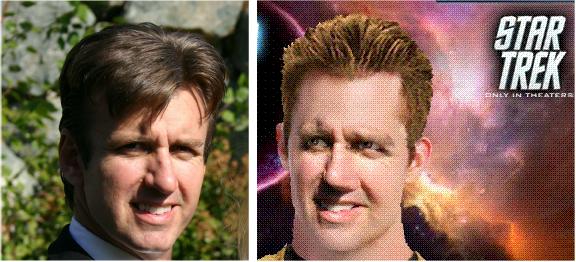
It's an idea so brilliant, I wish I had thought of it (though that gimmicked Google street view art project Josh linked to made me a bit jealous as well) ... in preparation for the upcoming Star Trek movie you can make yourself into a Star Trek character.   Is it perfect?   Well, no, anything that requires some manual input in a system I don't yet understand will be quirky but that is mostly my fault.    Side by side, the pic I gave them and what they said is my Star Trek character. Not too bad, actually, though I seemed to have set the width for the eyes strangely (you'll see what I mean if you try it).