Banner
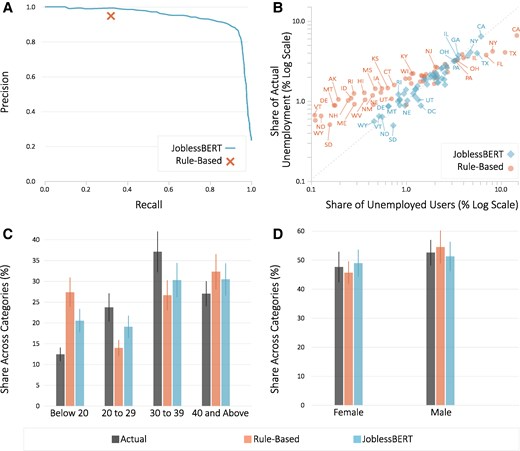
Social Media Is A Faster Source For Unemployment Data Than Government

Government unemployment data today are what Nielsen TV ratings were decades ago - a flawed metric...

Gestational Diabetes Up 36% In The Last Decade - But Black Women Are Healthiest

Gestational diabetes, a form of glucose intolerance during pregnancy, occurs primarily in women...
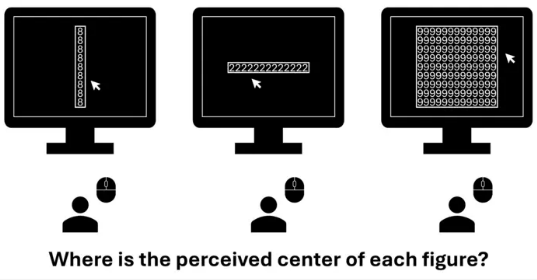
Object-Based Processing: Numbers Confuse How We Perceive Spaces

Researchers recently studied the relationship between numerical information in our vision, and...
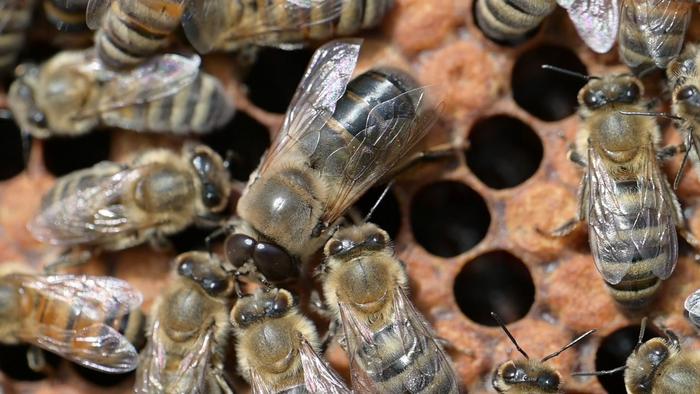
Males Are Genetically Wired To Beg Females For Food

Bees have the reputation of being incredibly organized and spending their days making sure our...

User picture.
News StaffRSS Feed of this column.

News Releases From All Over The World, Right To You... Read More »

Blogroll

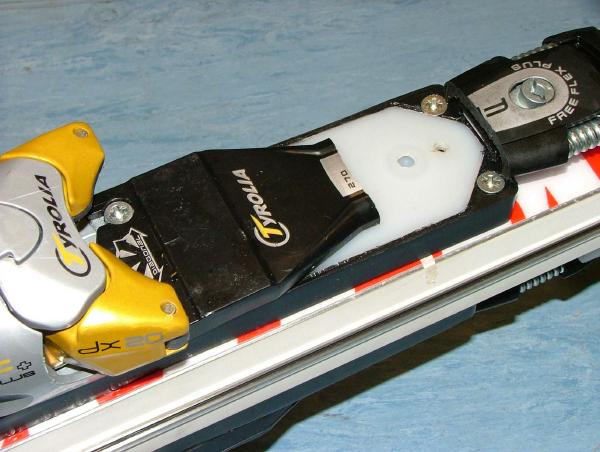
Skis equipped with an ingenious new self-waxing device that enables them to travel quicker could make a dramatic entry onto the skiing scene in the 2008/09 World Cup season.

The device continuously applies fresh wax to the bottom of the ski during a race. Its developers are now working with manufacturers, with the aim of incorporating it into skis used in top-class international competition as early as next year.

Validated test results from the Alps show that skiers using the revolutionary system can complete a course 1-2% quicker than using conventional skis, which gradually lose their pre-applied layer of wax as they descend a slope.

The sea-ice is getting thinner. Large areas of the Arctic sea-ice are only one metre thick this year, equating to an approximate 50 percent thinning as compared to the year 2001. These are the initial results from the latest Alfred-Wegener-Institute for Polar and Marine Research in the Helmholtz Association lead expedition to the North Polar Sea.

50 scientists have been on board the Research ship- Polarstern for two and a half months, their main aim; to carry out research on the sea-ice areas in the central Arctic. Amongst other things, they have found out that not only the ocean currents are changing, but community structures in the Arctic are also altering.

The washing machine and the refrigerator are going to start "talking" to the television thanks to a new standard about to be published by the Geneva-based IEC. This new ability to network traditional household appliances with personal computers and audio-visual equipment will offer such possibilities as your television screen displaying the fact that the washing machine has finished washing your clothes or turning on an air conditioner from your personal computer.

Computer models now under development could enhance the design of sports equipment to help people of all abilities realise their sporting potential.

The models, more sophisticated and more specialised than others previously used in sports equipment design, produce unprecedentedly realistic simulations of how potential ball designs, for instance, will actually behave when in use.

This data can then be harnessed by sports equipment design teams to ensure that the final products they develop behave (e.g. bounce and spin) as required and, above all, with more consistency than ever before. This is vital if sportsmen and women are to optimise their skills, apply them with confidence and maximise their achievement.

A revolutionary new sensor collects and immediately transmits data about posture, stride length, step frequency, acceleration, response to shock waves travelling through the body etc.

It's cufflink-sized and clipped behind the wearer’s ear, so it doesn't hinder performance and when worn by an athlete during training, it can transmit the information for immediate visual display on a handheld device or laptop used by their coach at the trackside. The coach can then harness the data to shape the on-the-spot advice and instruction they give the athlete regarding technique. By instantly adding to the value of every training session, the sensor can therefore deliver better sporting performance.

It seems the evolution versus creationism debate will never end. Professor Steve Jones, a geneticist from University College London will address delegates at the 7th annual University College Dublin-Conway Festival of Research in O’Reilly Hall, University College Dublin on Thursday, September 20th 2007 about ‘Why evolution is right and creationism is wrong’.

Why hear an argument against something unproven at all? Jones is concerned that intelligent Design is being presented as scientific fact. Proponents of intelligent design state that the universe and everything in it has been designed by a higher being based on the premise that some systems are just too complex to have evolved.