Banner
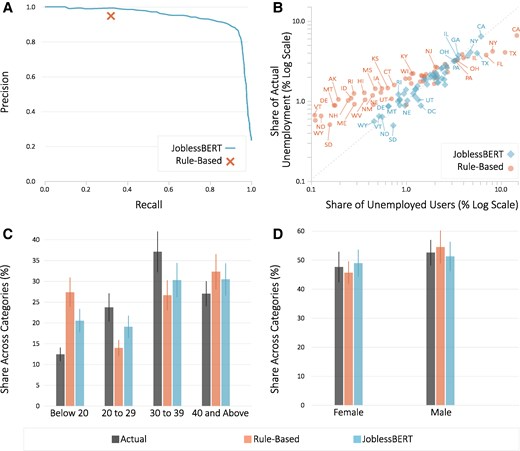
Social Media Is A Faster Source For Unemployment Data Than Government

Government unemployment data today are what Nielsen TV ratings were decades ago - a flawed metric...
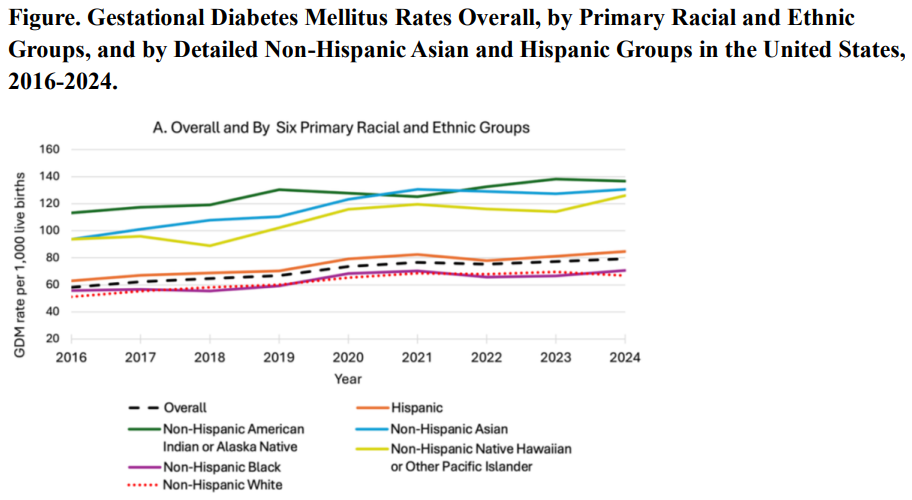
Gestational Diabetes Up 36% In The Last Decade - But Black Women Are Healthiest

Gestational diabetes, a form of glucose intolerance during pregnancy, occurs primarily in women...
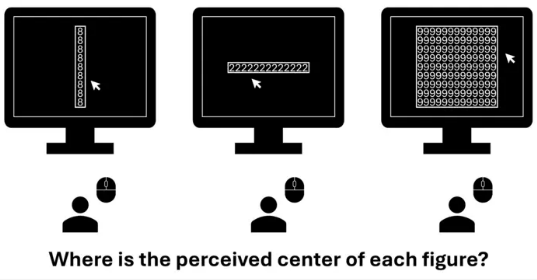
Object-Based Processing: Numbers Confuse How We Perceive Spaces

Researchers recently studied the relationship between numerical information in our vision, and...
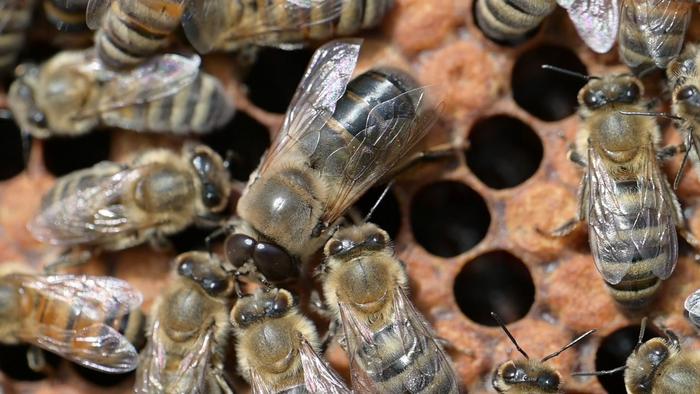
Males Are Genetically Wired To Beg Females For Food

Bees have the reputation of being incredibly organized and spending their days making sure our...

User picture.
News StaffRSS Feed of this column.

News Releases From All Over The World, Right To You... Read More »

Blogroll

A website dubbing itself 'YouTube for scientists' has been launched, saying the intent is to bring science closer to the people, according to backers Public Library of Science (PLoS), the National Science Foundation (NSF) and the San Diego Supercomputer Center (SDSC).

SciVee allows scientists to upload published papers, as well as a podcast presenting the paper. The groups behind the initiative say they are confident that it will contribute to the widespread dissemination and comprehension of science.

First, we don't see how it's YouTube if you can only upload a podcast and a printed article.

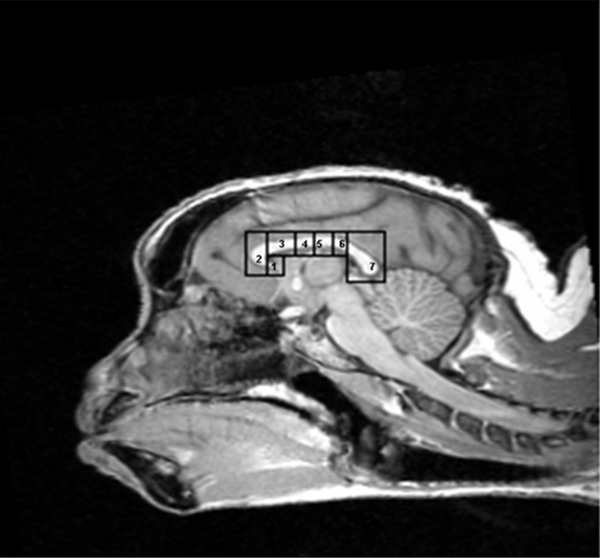
Capuchin monkeys are playful, inquisitive primates known for their manual dexterity, complex social behavior, and cognitive abilities. New research now shows that just like humans, they display a fundamental sex difference in the organization of the brain, specifically in the corpus callosum, the region that connects the two cerebral lobes.

A recently published paper by Associate Professor of Psychology and Biology Kimberley A. Phillips (Hiram College), Chet C. Sherwood (George Washington University) and Alayna L. Lilak (Hiram College), reports finding both sex and handedness influences on the relative size of the corpus callosum.

The Johns Hopkins scientist who first showed that the absence of the protein myostatin leads to oversized muscles in mice and men has now found a second protein, follistatin, whose overproduction in mice lacking myostatin doubles the muscle-building effect.

Results of Se-Jin Lee’s new study show that while mice that lack the gene that makes myostatin have roughly twice the amount of body muscle as normal, mice without myostatin that also overproduce follistatin have about four times as much muscle as normal mice.

Lee, M.D., Ph.D., a professor of molecular biology and genetics, says that this added muscle increase could significantly boost research efforts to “beef up” livestock or promote muscle growth in patients with muscular dystrophy and other wasting diseases.

Neighborhood property values predict local obesity rates better than education or incomes, according to a study from the University of Washington being published online this week by the journal Social Science and Medicine. For each additional $100,000 in the median price of homes, UW researchers found, obesity rates in a given ZIP code dropped by 2 percent.

The study, based on analyses of responses to a telephone survey conducted in King County by the local health department and the federal Centers for Disease Control, found six-fold disparities in obesity rates across the Seattle metropolitan area. Obesity rates reached 30 percent in the most deprived areas but were only around 5 percent in the most affluent ZIP codes.

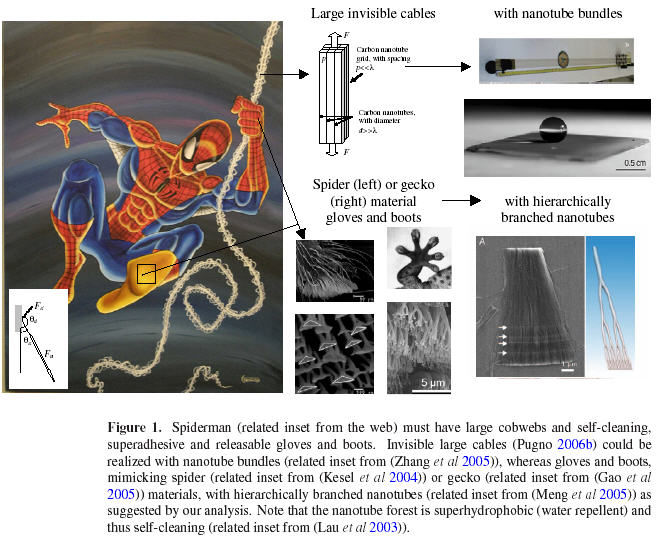
Physicists have found the formula for a Spiderman suit. Recent research determined that van der Waals forces, the weak attraction that molecules have for each other when they are brought very close together, are responsible for the amazing sticking power of geckos and spiders. It is the tiny hairs on spiders’ feet that attract to the molecules of surfaces, even glass, and keep them steady.

The historic collaboration between leading scientists and Evangelicals to protect the environment, spearheaded by the Center for Health and the Global Environment at Harvard Medical School (HMS) and the National Association of Evangelicals (NAE) continues this week with a trip to Alaska. A group of five scientists and five evangelical leaders began traveling together on August 25th to observe first- hand the dramatic effects of climate change on local people and on the land, ocean, plants, and wildlife of the nation’s northernmost state.

“The goal of our trip is to witness together what human-caused climate change is doing to our world,” said co-leader of the trip Eric Chivian, who shared the 1985 Nobel Peace Prize and is Director of the HMS Center.