Banner
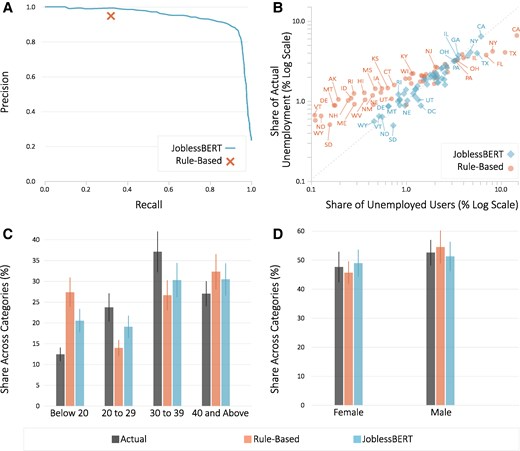
Social Media Is A Faster Source For Unemployment Data Than Government

Government unemployment data today are what Nielsen TV ratings were decades ago - a flawed metric...

Gestational Diabetes Up 36% In The Last Decade - But Black Women Are Healthiest

Gestational diabetes, a form of glucose intolerance during pregnancy, occurs primarily in women...
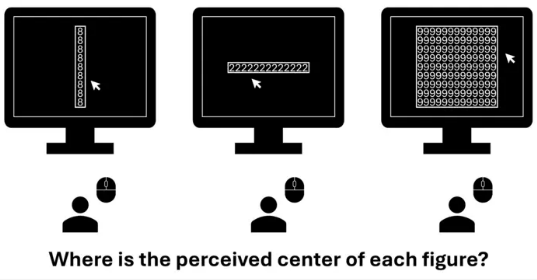
Object-Based Processing: Numbers Confuse How We Perceive Spaces

Researchers recently studied the relationship between numerical information in our vision, and...
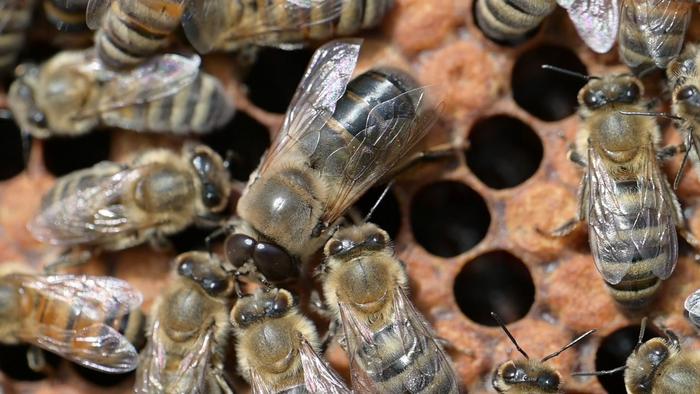
Males Are Genetically Wired To Beg Females For Food

Bees have the reputation of being incredibly organized and spending their days making sure our...

User picture.
News StaffRSS Feed of this column.

News Releases From All Over The World, Right To You... Read More »

Blogroll

According to a new study, visual information is processed on a daily schedule set within the eyes themselves rather than one dictated by the brain.

The researchers found in mice that the eyes’ normal rhythmic response to light requires only that a molecular "clock" inside the retina go on ticking. The retina is a layer of nerve tissue covering the back of the eyeball, which is often likened to the film in a camera; without it, images can't be captured.

The results offer the first glimpse into the physiological importance of circadian clocks found in organs throughout the body, said Charles Weitz of Harvard Medical School.

Working with embryonic mouse brains, a team of Johns Hopkins scientists seems to have discovered an almost-too-easy way to distinguish between “true” neural stem cells and similar, but less potent versions. Their finding, reported this week in Nature, could simplify the isolation of stem cells not only from brain but also other body tissues.

What the researchers identified is a specific protein “signal” that appears to prevent neural stem cells – the sort that might be used to rebuild a damaged nervous system – from taking their first step toward becoming neurons. “Stem cells don’t instantly convert into functional adult tissue,” says author Nicholas Gaiano, Ph.D., assistant professor at the Institute for Cell Engineering.

Snakes are relatively new on the world scene, having been around for about 100 million years. Yet they currently comprise about half of all reptile species. This new kid on the evolutionary block's novel survival strategies could be used to determine the health of snake populations.

“These animals take energy reduction to a whole new level,” said Marshall McCue, a graduate student in biological sciences in the J. William Fulbright College of Arts and Sciences. He reported his findings in the journal Zoology.

While scientists knew that some snake species could survive for up to two years without a meal, no studies have examined the physiological changes that take place when a snake goes for prolonged periods without food.

Leave it to Scotland to find a reason to make more whisky. A new research project at the University of Abertay Dundee could make it possible for cars of the future to run on fuel made from the by-products of brewing and distilling booze.

Researchers in Abertay’s School of Contemporary Sciences have been awarded a Carnegie Trust Research Grant to investigate turning residues from beer and whisky processes into biofuel.

The year long project will look at new methods of turning spent grain into bioethanol, a more environmentally friendly alternative to fossil fuels.

Climate change is big news in regards to the atmosphere, oceans, and Earth’s surface. In many countries, the groundwater reservoirs contribute a large part of the total water supply but little is known about how soil, subsurface waters, and groundwater are responding to climate change.

Scientists with CSIRO Australia and USDA’s Agricultural Research Service (ARS) have addressed the vital need for the prediction of climate change impacts on water below the ground. They report that the only way to make such predictions is with simulated interactions between soils and plants that are essential in determining sensitivities of soil-water-vegetation systems to climate change.

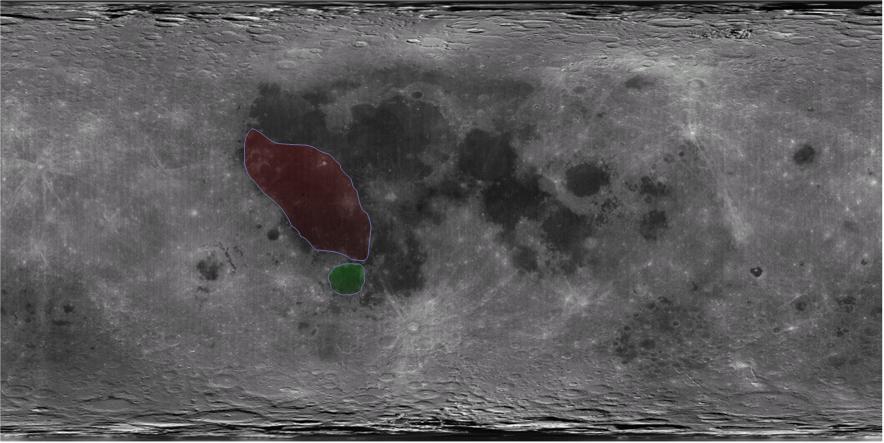
Good lighting and high resolution cameras in the SMART-1 satellite are making it possible to put together the story linking geological and volcanic activity on the Moon.

“Thanks to low-elevation solar illumination on these high-resolution images”, says SMART-1 Project Scientist Bernard Foing, “it is now possible to study fine, small-scale geological features that went undetected earlier.”

The study provides new information on the thermal and tectonic history of the Moon and the processes following the formation of the large basins. There are approximately 50 recognizable lunar basins more than 300 km in diameter.