Banner
Social Media Is A Faster Source For Unemployment Data Than Government

Government unemployment data today are what Nielsen TV ratings were decades ago - a flawed metric...
Gestational Diabetes Up 36% In The Last Decade - But Black Women Are Healthiest

Gestational diabetes, a form of glucose intolerance during pregnancy, occurs primarily in women...
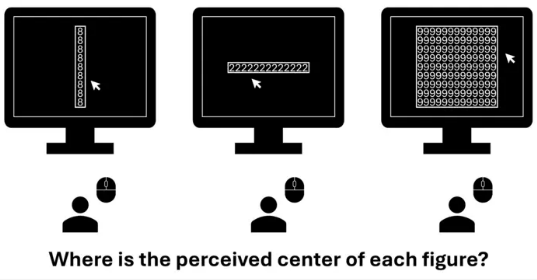
Object-Based Processing: Numbers Confuse How We Perceive Spaces

Researchers recently studied the relationship between numerical information in our vision, and...
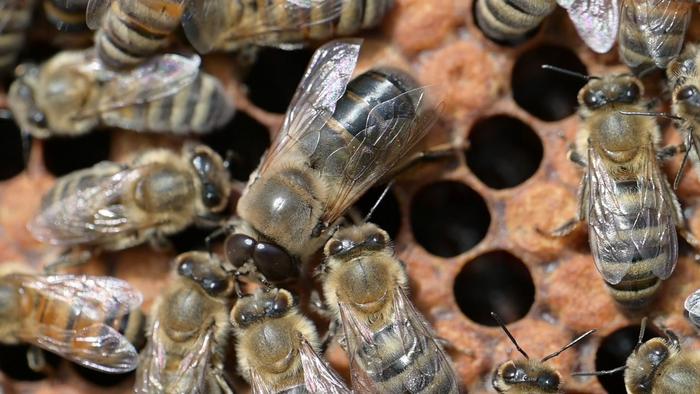
Males Are Genetically Wired To Beg Females For Food

Bees have the reputation of being incredibly organized and spending their days making sure our...

User picture.
News StaffRSS Feed of this column.

News Releases From All Over The World, Right To You... Read More »

Blogroll

A new interpretation of data from NASA’s Viking landers indicates that 0.1% of the Martian soil tested could have a biological origin.

Dr Joop Houtkooper of the University of Giessen, Germany, believes that the subfreezing, arid Martian surface could be home to organisms whose cells are filled with a mixture of hydrogen peroxide and water. Dr Houtkooper described how he has used data from the Gas Exchange (GEx) experiment, carried by NASA’s Viking landers, to estimate the biomass in the Martian soil.


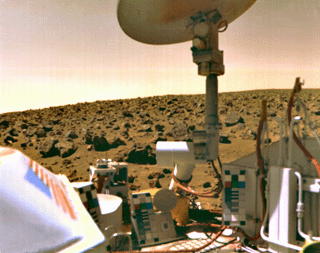
Viking 2 lander image looking back across the craft. Dark boulders are prominent against the reddish soil. The landing site, Utopia Plantia, is a region of fractured plains.

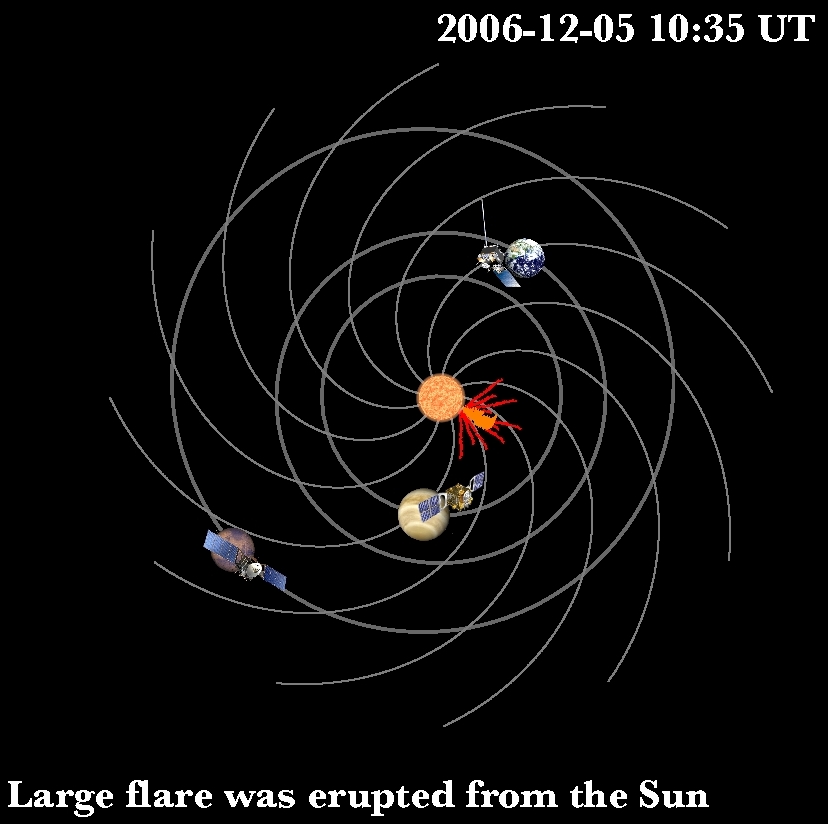
Observations of solar flares by spacecraft at Mars, Venus and the Earth show that eruptions on the far side of the Sun may affect our “space weather” back on Earth.

In December 2006, a series of solar flares produced in a single active region were observed from three different points, each approximately 120 degrees apart.

Opponents of gay marriage in the United States state that nuclear families have always been the standard household form. Turns out this may not be true. While gay marriage itself may not have happened in medieval times there is evidence that homosexual civil unions did and that could lend important historical insight to the debate.

Allan A.

Katherine Franz, an assistant chemistry professor at Duke University, says the key to battling neurological diseases like Parkinson's and Alzheimer's diseases may lie in binding up iron and then separating the good from the bad.

Her approach, with graduate student Louise Charkoudian, is to formulate sensitive chemical sentinels they call "pro-chelators." Those are metal-binding agents wrapped in chemical "cages" so they can enter the brain and wait in reserve until they encounter a site of potential damage.

Such a site contains both iron and the molecule hydrogen peroxide. The reaction between these two players -- known as a "Fenton reaction" -- can lead to the production of a highly reactive oxygen-containing chemical group called a hydroxyl radical, Franz said.

The research group of Prof. Dr. Magdalena Götz at the Institute of Stem Cell Research of the GSF – National Research Centre for Environment and Health, and the Ludwig Maximilians University, Munich, has achieved an additional step for the potential replacement of damaged brain cells after injury or disease: functional nerve cells can be generated from astroglia, a type of supportive cells in the brain by means of special regulator proteins.

The majority of cells in the human brain are not nerve cells but star-shaped glia cells, the “astroglia”. "Glia means 'glue'," explains Götz. "As befits their name, until now these cells have been regarded merely as a kind of 'putty' keeping the nerve cells together."

The “world’s fattest mice” can overeat without developing insulin resistance or diabetes thanks to a glut of adiponectin, a hormone that controls sensitivity to insulin, and a lack of leptin, a hormone that curbs appetite - a dichotomy that helps explain why not all obese people are diabetic, a UT Southwestern Medical Center researcher has found.

Consuming excess calories usually spurs insulin resistance and diabetes, but the new findings demonstrate how mice can store excess calories in fat tissue instead of in liver, heart or muscle tissue – places where excess fat can lead to inflammation, diabetes and heart disease. The mice get morbidly obese, but are insulin-sensitive with normal blood-glucose levels.