Banner
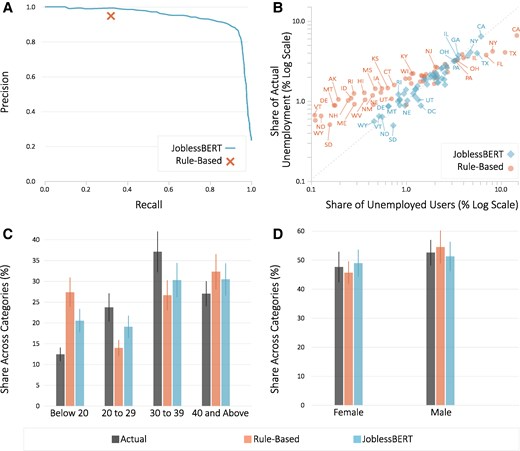
Social Media Is A Faster Source For Unemployment Data Than Government

Government unemployment data today are what Nielsen TV ratings were decades ago - a flawed metric...

Gestational Diabetes Up 36% In The Last Decade - But Black Women Are Healthiest

Gestational diabetes, a form of glucose intolerance during pregnancy, occurs primarily in women...
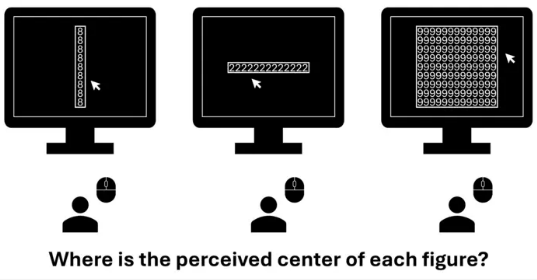
Object-Based Processing: Numbers Confuse How We Perceive Spaces

Researchers recently studied the relationship between numerical information in our vision, and...
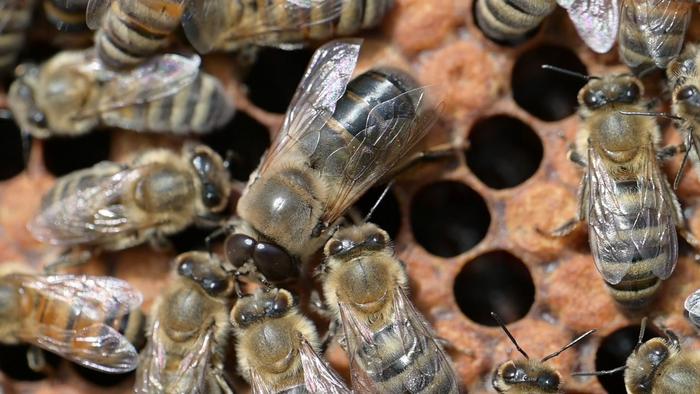
Males Are Genetically Wired To Beg Females For Food

Bees have the reputation of being incredibly organized and spending their days making sure our...

User picture.
News StaffRSS Feed of this column.

News Releases From All Over The World, Right To You... Read More »

Blogroll

Certain types of bacteria have sunlight-sensing molecules similar to those found in plants, according to a new study. Surprisingly, at least one species—responsible for causing the flu-like disorder Brucellosis—needs light to maximize its virulence. The work suggests an entirely new model for bacterial virulence based on light sensitivity.

“The central message is that many bacteria have signaling proteins that contain the same light-absorbing domain as those found in the higher plants,” Briggs explains. “One of these is a vicious pathogen called Brucella. A species of Brucella is a serious pathogen of cattle that causes abortion of calves, and another species is a nasty pathogen of humans.”

Sony today announced the development of a bio battery that generates electricity from carbohydrates (sugar) utilizing enzymes as its catalyst, through the application of power generation principles found in living organisms.

Test cells of this bio battery have achieved power output of 50 mW, currently the world's highest level2 for passive-type3 bio batteries. The output of these test cells is sufficient to power music play back on a memory-type Walkman.


4 prototype bio battery units (left) connected to Walkman for playback

Astronomers have found an enormous hole in the Universe, nearly a billion light-years across, empty of both normal matter such as stars, galaxies and gas, as well as the mysterious, unseen “dark matter.” While earlier studies have shown holes, or voids, in the large-scale structure of the Universe, this new discovery dwarfs them all.

“Not only has no one ever found a void this big, but we never even expected to find one this size,” said Lawrence Rudnick of the University of Minnesota astronomy professor.

The earth sciences rely on highly accurate timing to unravel past causes and effects, and understand the forces driving many events from ice ages to mass extinctions. Other scientific disciplines, such as evolutionary biology and climate science, in turn depend on accurate timing of geological processes to provide a baseline for their investigations.

While significant progress has been made over recent decades, great uncertainties remain that are inhibiting investigations of major past events and formative processes in the earth sciences. In the case of the dinosaur extinction, knowledge of how long the process took would help resolve whether this was caused by a sudden asteroid strike or more gradually following a period of intense volcanic activity for example.

Twenty-two years of dedicated research has finally resulted in success, reports a British team headed by Steven V. Ley at the University of Cambridge. They have created the first synthesis of azadirachtin, a natural compound that stops predatory insects from feeding.

Plants have a variety of defense mechanisms to deter insect attack. One such compound is azadirachtin, which was first isolated from the neem tree (also known as the Indian lilac) in 1968. The name of this natural product is derived from the botanical name of the plant, Azadiracta indica. Azadirachtin is a highly active substance that inhibits the development of the larvae of a broad spectrum of destructive insects but is harmless to mammals and beneficial insects, such as bees and ladybugs.

Hydrogen is an interesting idea for a clean, renewable fuel but storage and refueling issues present challenges. A new and attractive storage medium being developed by Pacific Northwest National Laboratory scientists may provide the “power of pellets” to fuel future transportation needs.

The Department of Energy’s Chemical Hydrogen Storage Center of Excellence is investigating a hydrogen storage medium that holds promise in meeting long-term targets for transportation use. As part of the center, PNNL scientists are using solid ammonia borane, or AB, compressed into small pellets to serve as a hydrogen storage material. Each milliliter of AB weighs about three-quarters of a gram and harbors up to 1.8 liters of hydrogen.