Banner
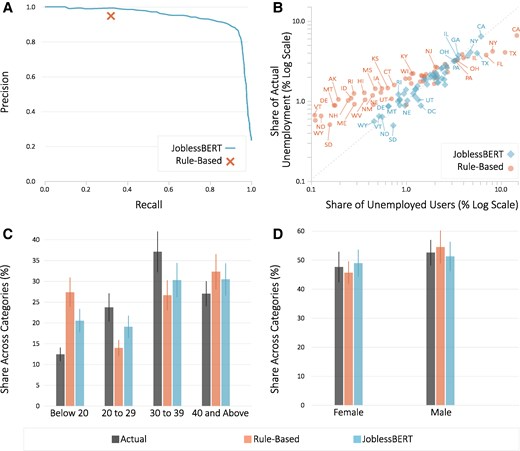
Social Media Is A Faster Source For Unemployment Data Than Government

Government unemployment data today are what Nielsen TV ratings were decades ago - a flawed metric...
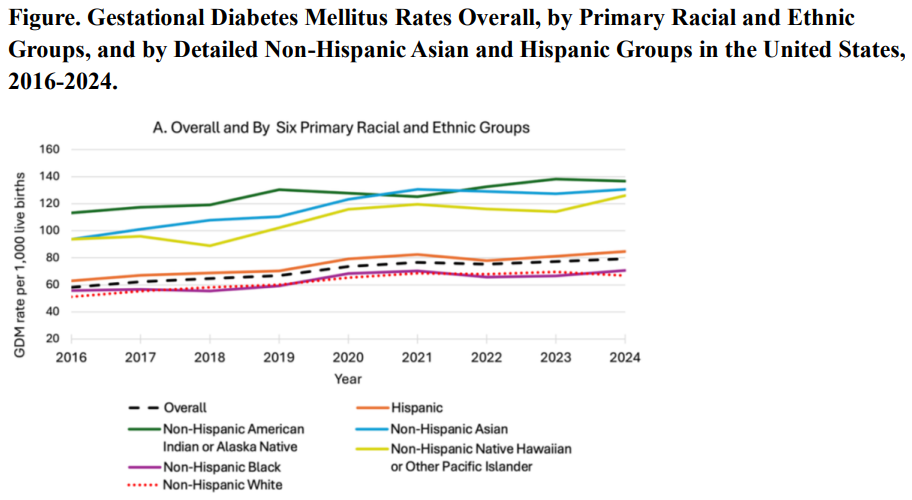
Gestational Diabetes Up 36% In The Last Decade - But Black Women Are Healthiest

Gestational diabetes, a form of glucose intolerance during pregnancy, occurs primarily in women...

Object-Based Processing: Numbers Confuse How We Perceive Spaces

Researchers recently studied the relationship between numerical information in our vision, and...

Males Are Genetically Wired To Beg Females For Food

Bees have the reputation of being incredibly organized and spending their days making sure our...

User picture.
News StaffRSS Feed of this column.

News Releases From All Over The World, Right To You... Read More »

Blogroll

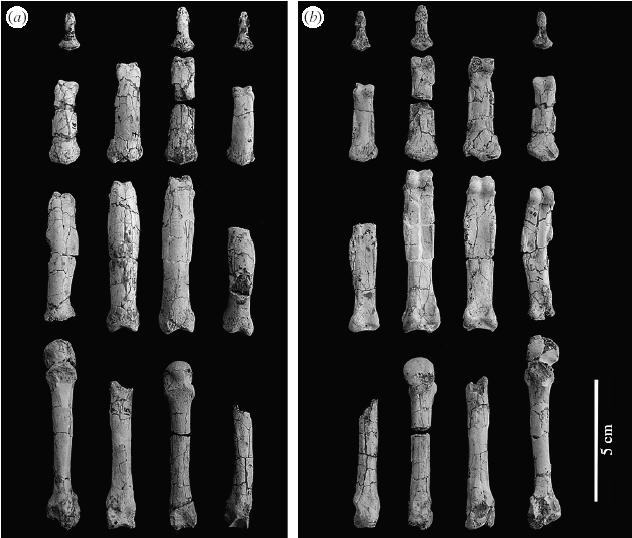
Even small fossils, such as bones from the hand or foot can tell us much about our ancestor’s and their behavior. Such may be the case with an ape that lived more than nine million years ago.

A study published in the latest journal issue of Proceedings of the Royal Society B: Biological Sciences reports on the structure of the hand of Hispanopithecus, a critically important fossil from an ape that lived during the late Miocene of Spain.

Ape hands are typically viewed as a compromise between the ‘true hands’ of humans and the ‘foot-hands’ of other primates. There are carpal and metacarpal differences, among other things, and significant differences in proportions.

The long-term risk of suicide is tripled for women who have undergone cosmetic breast implant surgery, according to a new study led by Loren Lipworth, Sc.D., of the International Epidemiology Institute in Rockville, Md, and the Vanderbilt University Medical Center, Nashville, Tenn. This long-term study further confirms the link between breast implants and a strikingly high risk of suicide and other related causes of death.

The increased suicide risk, together with a similar increase in deaths from alcohol or drug dependence, suggests that plastic surgeons should consider mental health screening and follow-up for women who seek breast implants, according to the new study.

While cardiovascular disease occurs in both men and women, it does not affect them in the same way. Risk factors and protective factors for heart diseases are likewise unequal.

The molecular mechanisms responsible for these differences are so far unknown, but some believe it is due to chromosomal linked genes or sexual hormones such as estrogen and testosterone. While the mechanisms behind the differences are unknown, the physiological differences are clear.

A new study examining chronic exercise in male and female mice finds that moderate long-term exercise provokes a sex-dependent cardiac adaptation that is different for females versus males. The findings may eventually help improve treatment strategies for women and men with heart disease.

Women have a “female advantage” when it comes to chronic kidney disease. When compared to men, they have fewer and less severe episodes of this disorder throughout most of their lives. That advantage disappears, however, when the woman is diabetic. For reasons still unclear, diabetic women – regardless of age – are diagnosed with kidney and heart diseases almost as frequently as men.

What is it about diabetes that predisposes a woman to develop renal disease at levels generally associated with her male counterpart? Researchers at Georgetown University’s Center for the Study of Sex Differences in Health, Aging and Disease have been studying the phenomenon and have identified a novel observation to help explain why.

Jenna Rickus, assistant professor of biomedical engineering at Purdue, has developed a "living electrode" coated with specially engineered neurons that, when stimulated, releases a neurotransmitter to inhibit epileptic seizures.

It's part of a larger collaboration focusing on creating a neuroprosthesis that dispenses a neurotransmitter called GABA and calms the brain once the onset of a seizure is detected.

Traditional plow-based agricultural methods and the need to feed a rapidly growing world population are combining to deplete the Earth's soil supply, a new study confirms.

In fact, long-established practices appear to increase soil erosion to the point that it is not offset by soil creation, said David Montgomery, a University of Washington professor of Earth and space sciences.

No-till agriculture, in which crop stubble is mixed with the top layer of soil using a method called disking, is far more sustainable, he said.