
Banner
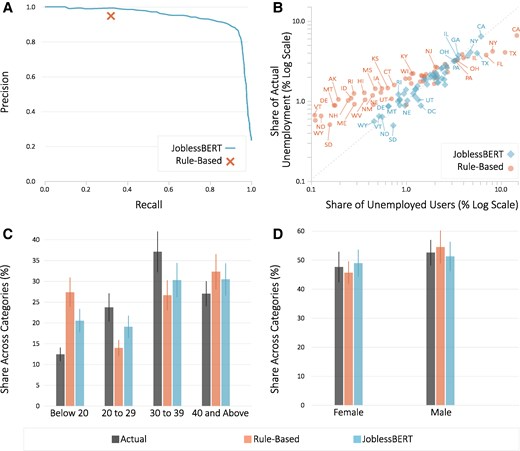
Social Media Is A Faster Source For Unemployment Data Than Government

Government unemployment data today are what Nielsen TV ratings were decades ago - a flawed metric...

Gestational Diabetes Up 36% In The Last Decade - But Black Women Are Healthiest

Gestational diabetes, a form of glucose intolerance during pregnancy, occurs primarily in women...
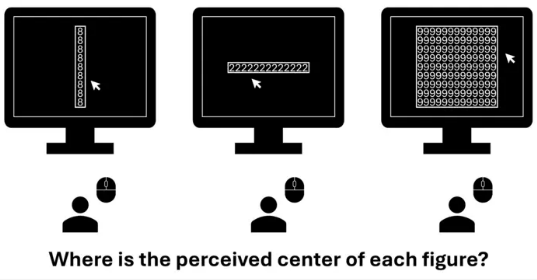
Object-Based Processing: Numbers Confuse How We Perceive Spaces

Researchers recently studied the relationship between numerical information in our vision, and...
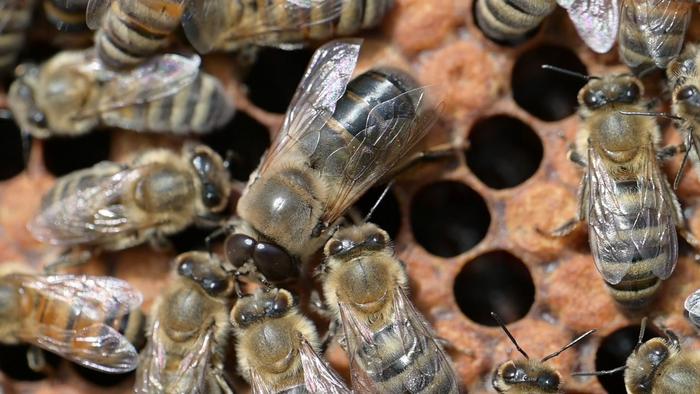
Males Are Genetically Wired To Beg Females For Food

Bees have the reputation of being incredibly organized and spending their days making sure our...

User picture.
News StaffRSS Feed of this column.

News Releases From All Over The World, Right To You... Read More »

Blogroll

A new paper says that a Chinese herbal medicine called Ji-Sui-Kang (JSK), given systemically for three weeks after injury in rats, improved locomotor function, reduced tissue damage, and preserved the structure of neural cells compared to control rats. 

Their data also claim that Ji-Sui-Kang may first act to reduce inflammation and cell apoptosis and death, and boost local oxygen supply while, later on, it appears to restore function and promote tissue regeneration. The researchers did the study because while Chinese herbal medicines have been used for a variety of ailments, the rationale is based more on anecdotal evidence than controlled experiments.

Researchers have unearthed the remains of massive ancient fortifications built around an Iron-Age Assyrian harbor in the contemporary Israeli coastal city of Ashdod, just south of Tel Aviv.

At the heart of the well-preserved fortifications is a mud-brick wall up to more than 12 feet wide and 15 feet high. The wall is covered in layers of mud and sand that stretch for hundreds of feet on either side. When they were built in the eighth century B.C., the fortifications formed a daunting crescent-shaped defense for an inland area covering more than 17 acres.

Racial and ethnic communities in the United States prioritize health concerns differently and addressing those concerns in culturally-specific ways may be beneficial, new results from the University of Michigan C.S. Mott Children's Hospital National Poll on Children's Health show.

A team of researchers suggest that increased coffee intake may reduce fatty liver in people with non-alcoholic fatty liver disease (NAFLD).

And here you thought it was just delicious.

Worldwide, 70 percent of people diagnosed with diabetes and obesity have  non-alcoholic fatty liver disease, the major cause of fatty liver not due to excessive alcohol consumption. It is estimated that 30 percent of adults in the United States have this condition, and the authors in Singapore say its prevalence is rising there.

There are no effective treatments for
non-alcoholic fatty liver diseas
except diet and exercise. 

The people of Youngstown, Ohio say they never felt an earthquake before two-and-a-half years ago. But between January of 2011 and February of 2012, 109 tremors were recorded and the author of a new article points the finger at hydraulic fracturing - fracking. 

In December 2010, Northstar 1, a deep injection well built to pump wastewater produced by fracking in the neighboring state of Pennsylvania, came online. In the 14 months that followed seismometers in and around Youngstown recorded 109 earthquakes; the strongest was a magnitude 3.9 earthquake on December 31, 2011. Six of them could be 'felt'.

Researchers studying how oxidative stress in cells impacts sarcopenia, a loss of muscle mass and strength that occurs in all humans as they age, found that mice lacking a protective antioxidant protein did not have reduced size or number of muscles cells but they were weaker than normal ones.

The antioxidant protein is called SOD1 and the researchers developed mice that did not have SOD1 in their muscles, though it was still present in other types of cells. They found that the lack of SOD1 at the muscle was not enough to cause atrophy, the total muscle mass in this mouse was larger, but they were still weak.




