Banner
Social Media Is A Faster Source For Unemployment Data Than Government

Government unemployment data today are what Nielsen TV ratings were decades ago - a flawed metric...

Gestational Diabetes Up 36% In The Last Decade - But Black Women Are Healthiest

Gestational diabetes, a form of glucose intolerance during pregnancy, occurs primarily in women...

Object-Based Processing: Numbers Confuse How We Perceive Spaces

Researchers recently studied the relationship between numerical information in our vision, and...

Males Are Genetically Wired To Beg Females For Food

Bees have the reputation of being incredibly organized and spending their days making sure our...

User picture.
News StaffRSS Feed of this column.

News Releases From All Over The World, Right To You... Read More »

Blogroll

In a new study, researchers show that is possible to restore immune function in spinal injured mice.

People with spinal cord injury often are immune compromised, which makes them more susceptible to infections. Why spinal cord injury patients become immune-suppressed is not known, but the paper says that a disorder called autonomic dysreflexia,  a potentially dangerous complication of high-level spinal cord injury characterized by exaggerated activation of spinal autonomic (sympathetic) reflexes, can cause immune suppression. 

Autonomic dysreflexia can cause an abrupt onset of excessively high blood pressure that can cause pulmonary embolism, stroke and in severe cases, death.

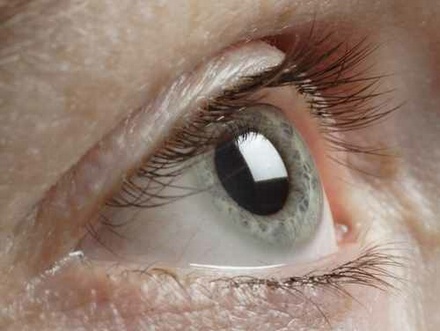
If you have to have light at night, a new study suggests that the color can make a big difference in how (un)healthy it is - and the answer is counter-intuitive.

Though the color blue is believed to have a calming effect, a study involving hamsters found that blue light had the worst effects on mood-related measures, followed closely by white light. The best? Red.  

Hamsters exposed to red light at night had significantly less evidence of depressive-like symptoms and changes in the brain linked to depression, compared to those that experienced blue or white light. Total darkness is still best.

In the next few months, something big is going to happen - but don't worry if you miss it, in about 11 years, it will happen again.

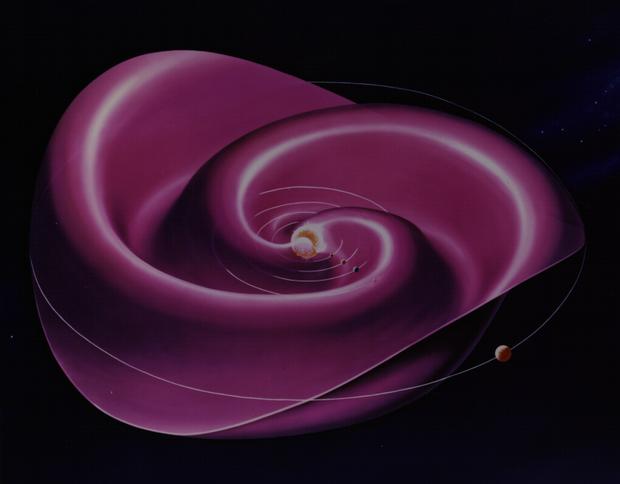
The sun's vast magnetic field is about to flip.

The sun's magnetic field changes polarity approximately every 11 years, at the peak of each solar cycle as the sun's inner magnetic dynamo re-organizes itself. The coming reversal will mark the midpoint of Solar Cycle 24, which means half of 'Solar Max' will be behind us, with half yet to come. 

Over 12 billion years ago, a star exploded and blasting its remains outward in twin jets at nearly the speed of light. Its glow was a million times brighter than its entire galaxy.

After traveling across space for 12.7 billion years, that flash was seen by astronomers on a planet that didn't even exist when the explosion happened - Earth. By analyzing this light, astronomers learned about a galaxy that was otherwise too small, faint and far away for even the Hubble Space Telescope to see.

Celiac disease who had persistent intestinal damage - identified with repeat biopsy - showed a higher risk of lymphoma than patients whose intestines healed, according to a new paper.

Celiac disease is an autoimmune disease that affects up to one percent of individuals in Western nations and is characterized by damage to the lining of the small intestine that, over time, reduces the body's ability to absorb components of common foods. The damage is due to a reaction to eating gluten, which is found in wheat, barley, and rye.

Lifelong exposure to soy genistein, a bioactive component in soy foods, protects against colon cancer by repressing a signal that leads to accelerated growth of cells, polyps, and eventually malignant tumors, according to a new paper.

Chronic exposure to the soy isoflavone genistein reduced the number of pre-cancerous lesions in the colons of laboratory rats exposed to a carcinogen by 40 percent and reduced Wnt signaling to normal levels.