
Banner
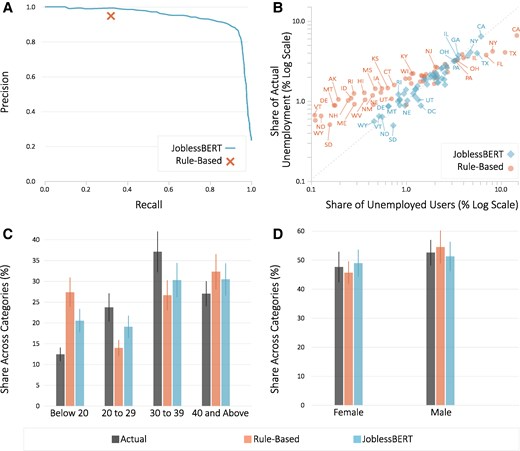
Social Media Is A Faster Source For Unemployment Data Than Government

Government unemployment data today are what Nielsen TV ratings were decades ago - a flawed metric...

Gestational Diabetes Up 36% In The Last Decade - But Black Women Are Healthiest

Gestational diabetes, a form of glucose intolerance during pregnancy, occurs primarily in women...
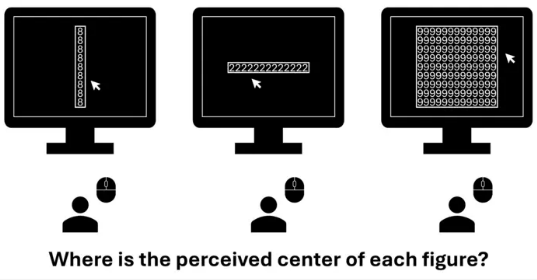
Object-Based Processing: Numbers Confuse How We Perceive Spaces

Researchers recently studied the relationship between numerical information in our vision, and...
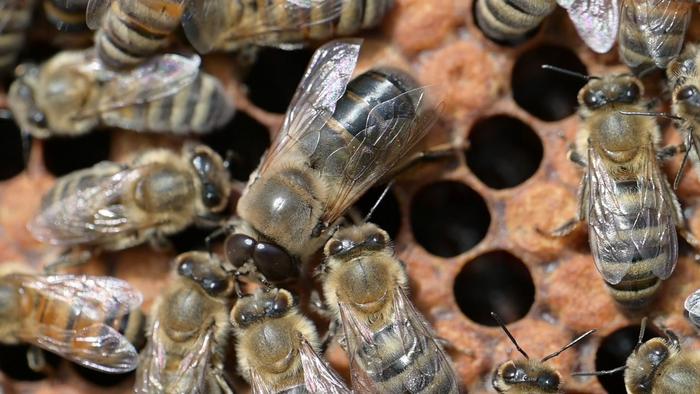
Males Are Genetically Wired To Beg Females For Food

Bees have the reputation of being incredibly organized and spending their days making sure our...

User picture.
News StaffRSS Feed of this column.

News Releases From All Over The World, Right To You... Read More »

Blogroll

The HIrisPlex DNA analysis system
that can establish hair and eye color from forensic samples in modern crime scenes can also identify details from ancient human remains, according to a paper which used the system to reconstruct hair and eye color from teeth up to 800 years old.

The system looks at 24 DNA polymorphisms, naturally occurring variations, which can be used to predict eye and hair color  from human remains such as teeth and bones.

The IFIT protein enables the human immune system to detect viruses and prevent infection by acting as foot soldiers guarding the body against infection. They recognize foreign viral ribonucleic acid (RNA) produced by the virus and act as defender molecules by potentially latching onto the genome of the virus and preventing it from making copies of itself, blocking infection. 

Researchers have created a device which potentially can see one molecule though a simple optical system and can analyze its components within minutes. It uses plasmonics, the study of vibrations of electrons in different materials, and could allow for rapid and more accurate drug testing for professional athletes because it could detect the presence of even trace amounts of a substance.

It could also be used at airports or other high-security locations to prevent would-be terrorists from concealing explosives or traffickers from smuggling drugs. 

What was the backbone of early tetrapods, the earliest four-legged animals, like?

High-energy X-rays and a new data extraction protocol have allowed researchers to reconstruct the backbones of the 360 million year old fossils in exceptional detail. The results shed new light on how the first vertebrates moved from water onto land. 

Tetrapods are four-limbed vertebrates,today represented by amphibians, reptiles, birds and mammals. Around 400 million years ago, early tetrapods were the first vertebrates to make short excursions into shallower waters where they used their four limbs for moving around. How this happened and how they then transferred to land is the science debate.

 A new treatment, BETMIGA (mirabegron) has received approval from the European Commission (EC) for the treatment of overactive bladder (OAB) symptoms in adults.

In the post-genomic era, 'omic' technology, and marketing claims to match, promise to understand the biology of various diseases. Metabolomics seeks to look at the chemical fingerprints that cellular processes leave behind and does so through characterization of the small molecule metabolites.




