
Banner
Social Media Is A Faster Source For Unemployment Data Than Government

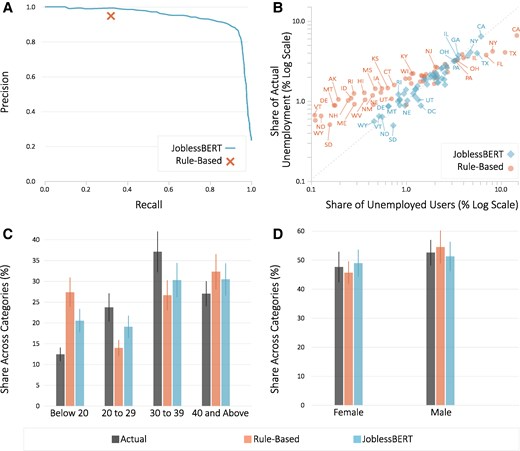
Government unemployment data today are what Nielsen TV ratings were decades ago - a flawed metric...
Gestational Diabetes Up 36% In The Last Decade - But Black Women Are Healthiest

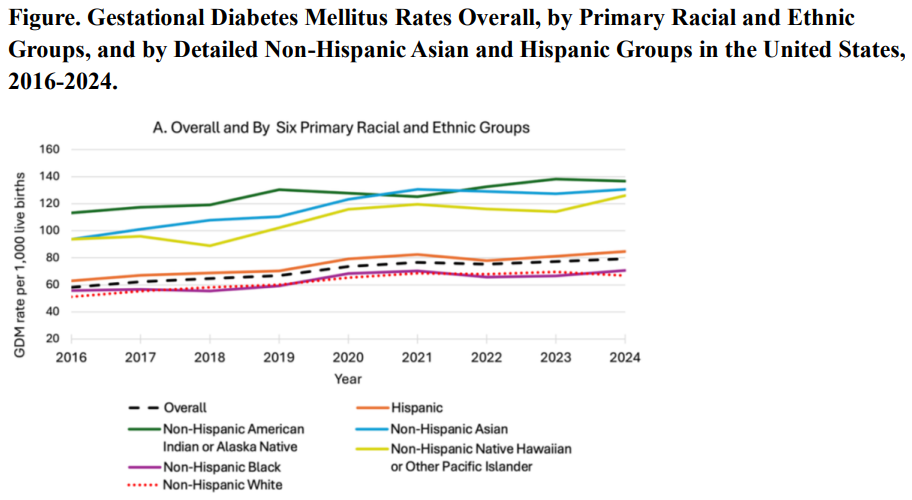
Gestational diabetes, a form of glucose intolerance during pregnancy, occurs primarily in women...

Object-Based Processing: Numbers Confuse How We Perceive Spaces

Researchers recently studied the relationship between numerical information in our vision, and...

Males Are Genetically Wired To Beg Females For Food

Bees have the reputation of being incredibly organized and spending their days making sure our...

User picture.
News StaffRSS Feed of this column.

News Releases From All Over The World, Right To You... Read More »

Blogroll

Sliman Bensmaia, PhD, assistant professor of organismal biology aat the University of Chicago, studies the neural basis of tactile perception -  how our hands convey this information to the brain. In a new study, he and colleagues found that the timing and frequency of vibrations produced in the skin when you run your hands along a surface, like searching a wall for a light switch, plays an important role in how we use our sense of touch to gather information about the objects and surfaces around us.

Want a microchip that operates 300 times the speed of chips today? Maybe some day.

Tiny, inexpensive silicon microchips developed by a pair of electrical engineers at the California Institute of Technology (Caltech) generate and radiate high-frequency electromagnetic waves, called terahertz (THz) waves, that fall into a largely untapped region of the electromagnetic spectrum—between microwaves and far-infrared radiation—and that can penetrate a host of materials without the ionizing damage of X-rays.

The little-understood protein osteocalcin plays a significant role in the strength of our bones, says a new paper,  and the findings could lead to new strategies for fighting osteoporosis and lowering the risk of bone fracture.

Who came up with that? Biologists?  Doctors? No, engineers.

From an evolutionary standpoint, homosexuality is a trait that should not develop and persist in the face of natural selection. Yet it exists in most cultures, among men and women. Analyses have noted that homosexuality can run in families, leading researchers to hypothesize a genetic underpinning of sexual preference but no gene or group of genes for homosexuality have been found, despite numerous studies searching for a genetic connection. 

Public opinion on environmental issues such as climate change, deforestation, and toxic waste seems to fall along predictable partisan lines but they have little to do with science.

People who deny global warming, for example, conserve just as much energy as people who accept it.  And even the unscientific term 'global warming' gains more acceptance across the board when it is replaced with the more accurate 'climate change'.

A new psychology paper even suggests that environmental messages framed in terms of conservative morals, describing environmental stewardship in terms of fending off threats to the "purity" and "sanctity" of Earth and our bodies, may help to narrow the partisan gap. How many conservative sociologists do you know? 

An new American Cancer Society analysis found a strong inverse association between coffee and oral/pharyngeal cancer mortality. Real coffee, not that decaffeinated stuff.

The authors say people who drank more than four cups of coffee per day were at about half the risk of death of these often fatal cancers compared to those who only occasionally or who never drank coffee.

Previous epidemiologic studies have suggested that coffee intake is associated with reduced risk of oral/pharyngeal cancer so researchers examined associations of caffeinated coffee, decaffeinated coffee, and tea intake with fatal oral/pharyngeal cancer in the Cancer Prevention Study II, a prospective U.S. cohort study begun in 1982 by the American Cancer Society.





