Banner
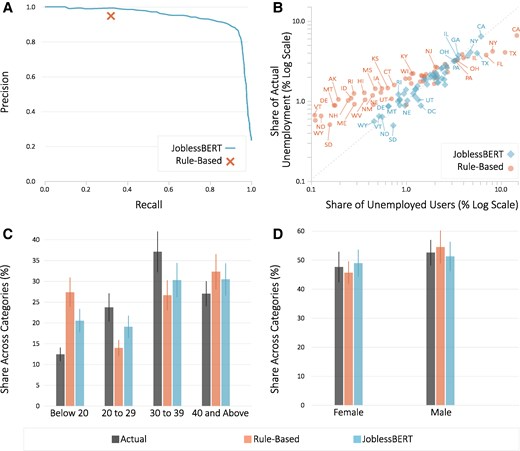
Social Media Is A Faster Source For Unemployment Data Than Government

Government unemployment data today are what Nielsen TV ratings were decades ago - a flawed metric...

Gestational Diabetes Up 36% In The Last Decade - But Black Women Are Healthiest

Gestational diabetes, a form of glucose intolerance during pregnancy, occurs primarily in women...

Object-Based Processing: Numbers Confuse How We Perceive Spaces

Researchers recently studied the relationship between numerical information in our vision, and...

Males Are Genetically Wired To Beg Females For Food

Bees have the reputation of being incredibly organized and spending their days making sure our...

User picture.
News StaffRSS Feed of this column.

News Releases From All Over The World, Right To You... Read More »

Blogroll
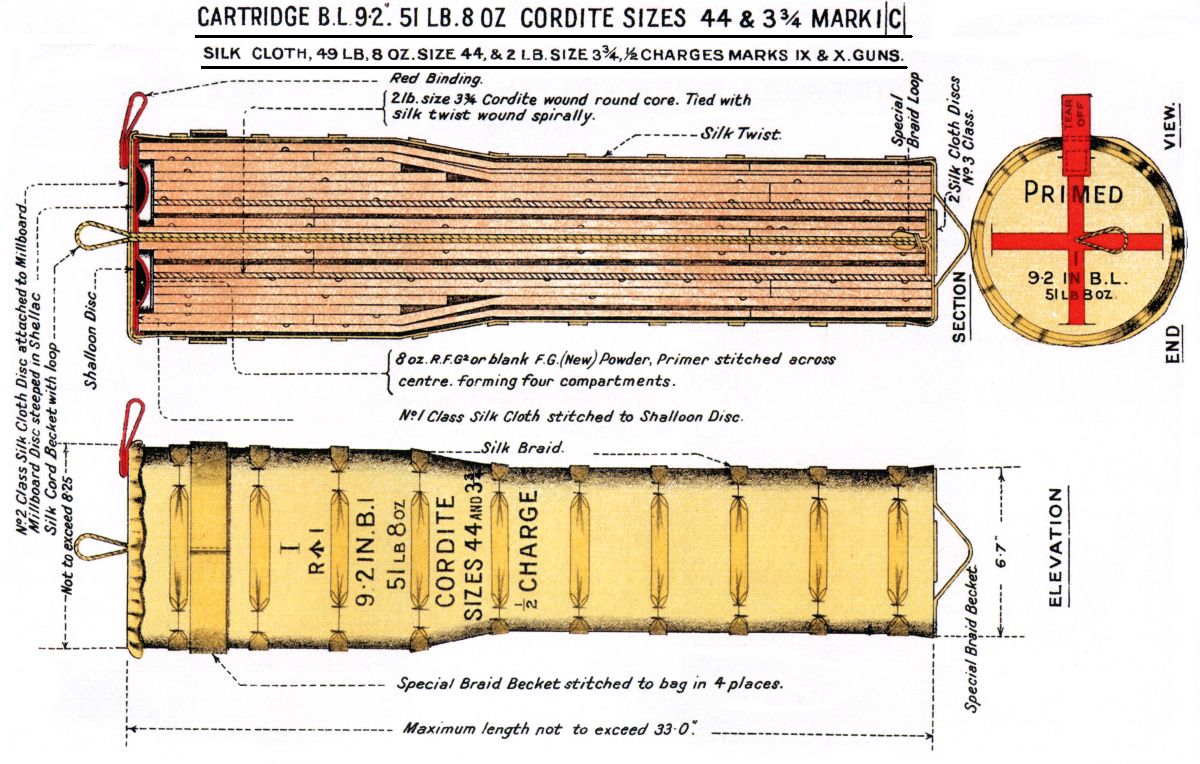
Clostridium acetobutylicum became popular when the chemist Chaim Weizmann first used the bacterium to ferment the solvent acetone and the alcohols butanol and ethanol, collectively known as “ABE” products, from starch - he wanted to create synthetic rubber and during World War I the process was used by the British to ferment acetone for the production of cordite, the explosive propellant that replaced gunpowder in bullets and artillery shells.

Mountain glaciers respond to climate change by rapidly advancing or receding as global temperatures have spiked upward and downward numerous times throughout geological history. Those changes in glacier extent control hydrology, sediment transport, and deposition in rivers downstream. 

The sedimentary record in glaciated catchments therefore is an important archive with that can help unravel past climate changes but, unlike rivers, whose flow is controlled entirely by land surface topography, glaciers are able to flow uphill and across ridgelines - a process called "transfluence." Glacier advance and recession can result in drainage capture by transfluent ice flow, and so change catchment drainage areas and hydrological budgets. 

How some dahlias, white, yellow, red or purple, get their color is well known, but the  molecular mechanism behind the black dahlia has been a mystery. A new study shows that the distinctive black-red coloring is based on an increased accumulation of anthocyanins as a result of drastically reduced concentrations of flavones.

Dahlia variabilis hort. is a popular garden flower. Continuous dahlia breeding worldwide has led to the availability of a huge number of cultivars, 20,000 varieties, many of them showing red hues. However, black hues of dahlia flowers occur rarely, in comparison.

Some people have a distinct, disabling sleep disorder called "primary hypersomnia" - they regularly sleep more than 70 hours per week and have difficulties awakening.

Even when awake, they still have reaction times comparable to someone who has been awake all night. Their sleepiness often interferes with work or school attendance, and conventional treatments such as stimulants bring little relief.

A universal approach to helping people who witnessed or experience genocide may be misguided, says an anthropologist.

The experience of genocide as transmitted trauma may not be universal but in the fields of human rights and memory studies, giving testimony about one's personal experience of genocide is believed to be both a moral duty and a psychological imperative for the wellbeing of the individual and the persecuted group to which they belong. The coping strategies for victims of genocide tend to be uniform: tell your story and do not let the violence you suffered be forgotten. What about descendants?

Bones are resilient and heal well after most fractures but in cases of traumatic injury, where large pieces of bone are missing, healing is much more difficult and sometimes impossible.

"Large segmental defects" are a major clinical problem,  especially among the military in places like Afghanistan, and orthopedic surgeons struggle to treat them but new research results confirm that the bone healing process of large segmental defects is sensitive to its mechanical environment and suggests that "reverse dynamization," a straightforward and inexpensive process, could help speed healing of these traumatic injuries.