Human ancestors were making stone-tipped weapons 500,000 years ago at Kathu Pan 1, an archaeological site in South Africa. The revelation pushes back the date for manufactured weapons another 200,000 years
Attaching stone points to spears - hafting - was an important advance in hunting for our early ancestors. Though hafted tools require a great deal of effort to manufacture, a sharp stone point on the end of a spear can increase its killing power and that shows strategic foresight.
The planetary nebula Abell 30 is located 5,500 light-years from Earth and it has given astronomers a lookl at a dying Sun-like star that came briefly back to life after giving up the stellar ghost, mimicking the possible fate our own Solar System faces in a few billion years..
‘Planetary nebula’ is the name given to the often-concentric shells of stellar material cast into space by dying stars. To astronomers of the 18th century, these objects looked like the colorful ‘blob’ of a planet through their telescopes, and the name stuck. Astronomers now know that as a star with less than eight times the mass of the Sun swells into a red giant towards the end of its life, its outer layers are expelled via pulsations and winds.
How did Tycho Brahe die?
It's been a mystery for over 400 years. 11 days after he took ill, he passed away on October 24th, 1601 and in that wake arose a host of speculations, myths, conspiracies and hypotheses.
One persistent theory, that involved both misadventure and claims of murder, was mercury; that he had self-experimented/self-medicated the mercury, or that he was poisoned.
In 2010, Brahe was exhumed from his grave in Prague and a Danish-Czech team of researchers has been working to determine the cause of his death. The results of this intensive work now make it possible to rule out mercury poisoning as a cause of death.
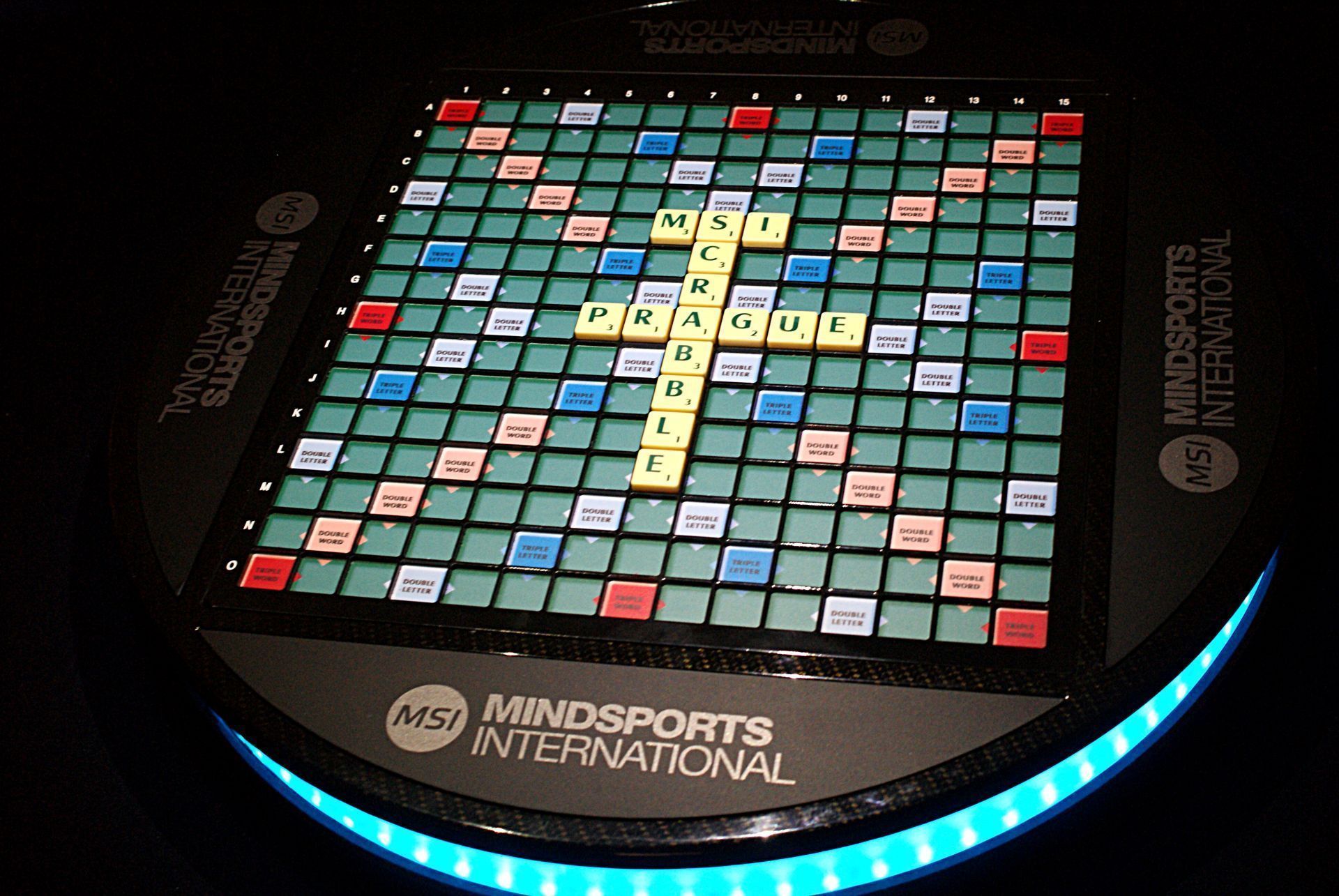
Mind Sports has created arguably the most expensive and advanced tournament Scrabble system in the world. It's set to be unveiled at the Prague Mind Sports Festival next month and is a tech-lovers dream. It cost over $25,000 to produce because it utilizes custom-built RFIDs to read the entire Scrabble board almost instantaneously (974 milliseconds), transmitting the information via software to viewers online.
A new image of supernova remnant W44, which combines far-infrared and X-ray data from ESA’s Herschel and XMM-Newton space observatories, shows the aftershock of a stellar explosion rippling through space. W44 is about 10,000 light-years away, in the dense star-forming clouds of the constellation of Aquila, the Eagle, and is one of the best examples of a supernova remnant interacting with its parent molecular cloud.
The Price Revolution in Europe, the runaway inflation that occurred during the years between 1515 to 1650, has been attributed to the sudden influx of silver from Mexico and Peru after discovery of the New World, which led to the decline in the value of of silver, and the growth of the European population and therefore competition for goods, which drove up prices.


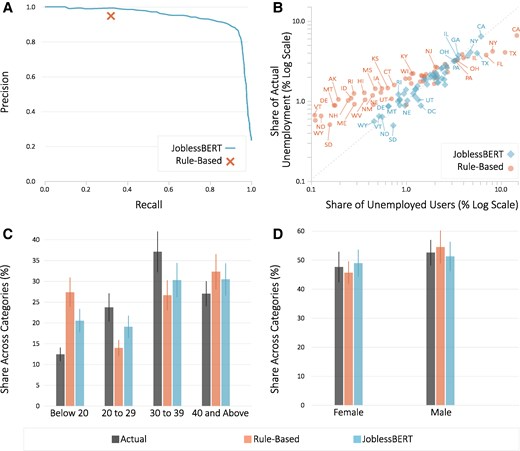 Social Media Is A Faster Source For Unemployment Data Than Government
 Gestational Diabetes Up 36% In The Last Decade - But Black Women Are Healthiest
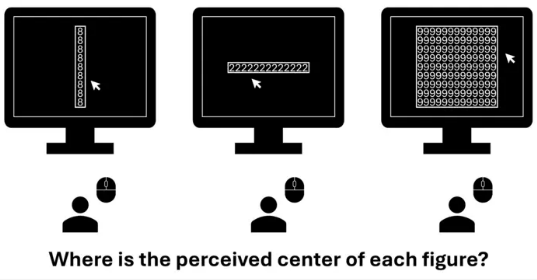 Object-Based Processing: Numbers Confuse How We Perceive Spaces
 Males Are Genetically Wired To Beg Females For Food