Banner
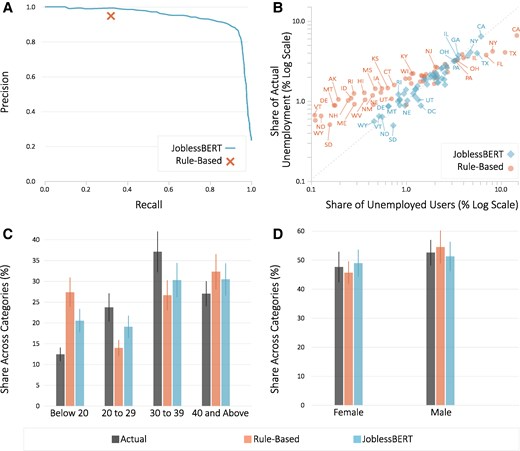
Social Media Is A Faster Source For Unemployment Data Than Government

Government unemployment data today are what Nielsen TV ratings were decades ago - a flawed metric...
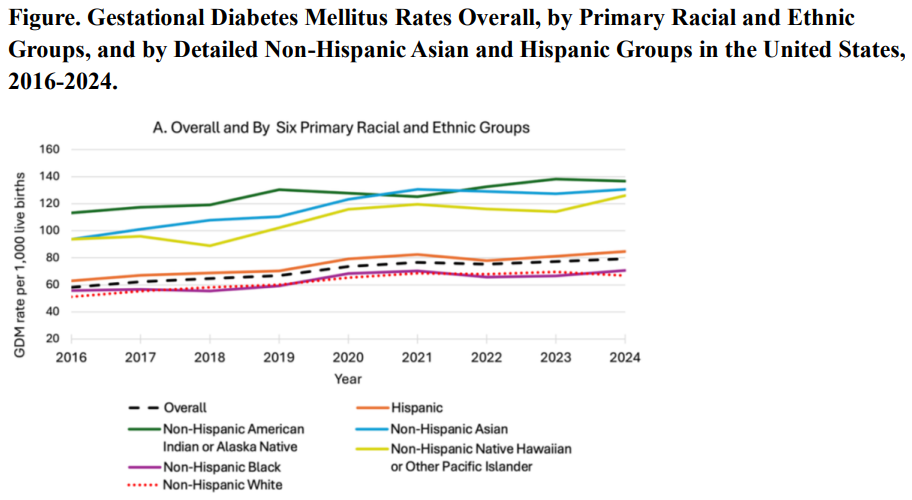
Gestational Diabetes Up 36% In The Last Decade - But Black Women Are Healthiest

Gestational diabetes, a form of glucose intolerance during pregnancy, occurs primarily in women...

Object-Based Processing: Numbers Confuse How We Perceive Spaces

Researchers recently studied the relationship between numerical information in our vision, and...

Males Are Genetically Wired To Beg Females For Food

Bees have the reputation of being incredibly organized and spending their days making sure our...

User picture.
News StaffRSS Feed of this column.

News Releases From All Over The World, Right To You... Read More »

Blogroll

In the wake of Italian scientists being sentenced for not having sufficiently warned the public about the risks of a severe earthquake of L'Aquila 2009, the German National Academy of Sciences Leopoldina and the French Académie des sciences have published a statement trying to head off possible situations in their own countries Their statement concerning the handling of risks situations by scientists is below.

Genetic blending between Europeans and Asians occurred over 2,000 years ago in the Altai region of Mongolia, according to a new analysis.  The remains of ancient Scythian warriors indicate that this blending was not due to an eastward migration of Europeans, but to a demographic expansion of local Central Asian populations and that was due to the technological improvements the Scythian culture brought with them. 

The Scythians were an Indo-European people dedicated to nomadic pasturing and horse breeding. They crossed the Eurasian steppes from the Caspian Sea until reaching the Altai Mountains during the 2nd and 7th century BCE. We know about them primarily due to ancient texts written by the Greek historian Herodotus.

A device capable of amplifying the information in a single particle of light without adding noise has been created.  The researchers were able to amplify the noisy quantum state of a single photon subjected to loss, without adding noise in the process - their amplification actually reduced the noise in the quantum state. 

It is expected the results will stimulate further interest in the fundamental laws that govern how well amplifiers can work and in developing uses of noiseless amplification techniques for other quantum information technology applications.

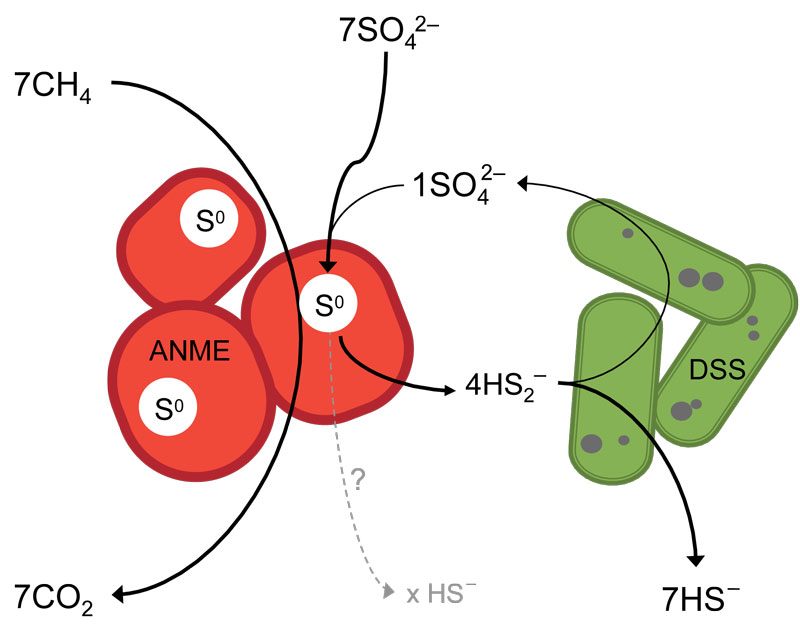
Microbiologists and geochemists have shown that marine methane oxidation coupled to sulfate respiration can be performed by a single microorganism, a member of the ancient kingdom of the Archaea, and doesn't need to be carried out in collaboration with a bacterium, as previously thought.
One big knock on solar energy is that it is inconsistent; it doesn't work at night or on cloudy days and storing it in batteries takes away the cost effectiveness. But a new technology is in development that can transform that light energy into a storable clean fuel that still has a neutral carbon footprint - hydrogen.

What does it take? Water and iron oxide, better known as rust. Kevin Sivula and colleagues at Ecole Polytechnique Fédérale de Lausanne intentionally stuck to inexpensive materials and easily scalable production processes in order work toward an economically viable method for solar hydrogen production. 
Want to help unlock the secrets of magnetism at the molecular scale without getting a PhD in physics? A citizen science project entitled Feynman’s Flowers lets volunteers from across the world analyze microscope images of individual molecules, which have characteristic flower shapes. Anyone can take part, and only a few clicks of the computer mouse are required to collect valuable information.