Banner
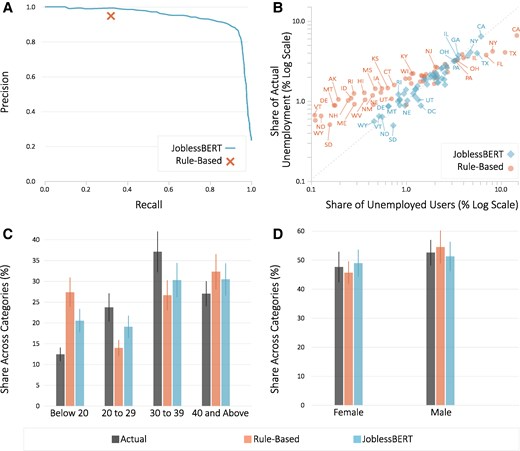
Social Media Is A Faster Source For Unemployment Data Than Government

Government unemployment data today are what Nielsen TV ratings were decades ago - a flawed metric...

Gestational Diabetes Up 36% In The Last Decade - But Black Women Are Healthiest

Gestational diabetes, a form of glucose intolerance during pregnancy, occurs primarily in women...
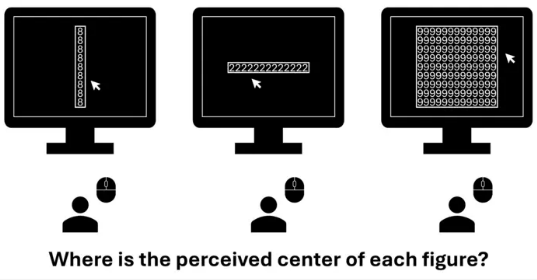
Object-Based Processing: Numbers Confuse How We Perceive Spaces

Researchers recently studied the relationship between numerical information in our vision, and...
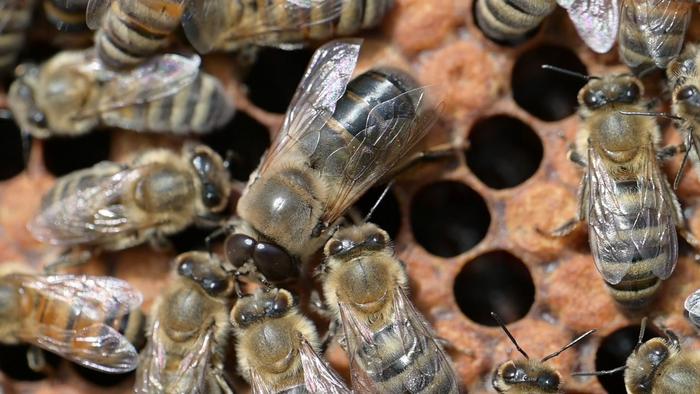
Males Are Genetically Wired To Beg Females For Food

Bees have the reputation of being incredibly organized and spending their days making sure our...

User picture.
News StaffRSS Feed of this column.

News Releases From All Over The World, Right To You... Read More »

Blogroll
An experimental device converts kinetic energy from beating hearts into electricity than can power a pacemaker, meaning the chance for no more batteries in the future, according to a talk at the American Heart Association's Scientific Sessions 2012.

The study is preliminary but a piezoelectric approach is promising for pacemakers because they require only small amounts of power to operate. Batteries must be replaced every five to seven years, which is costly and inconvenient.  Piezoelectricity might also power other implantable cardiac devices like defibrillators, which also have minimal energy needs.
We're not that special, says new research led by the Centre for Star and Planet Formation at the Natural History Museum of Denmark, University of Copenhagen.

About 4.567 billion years ago, our solar system's planets spawned from an expansive disc of gas and dust rotating around the sun. While similar processes are witnessed in younger solar systems throughout the Milky Way, the formative stages of our own solar system were believed to have taken twice as long to occur. It turns out that is not the case, according to a new paper.
Perhaps China could use some genetically modified food.  Otherwise, meeting the food demands of 22 percent of the world's population while maintaining their over-reliance on nitrogen-based fertilizer will continue to dramatically increase their emissions of nitrous oxide (N2O) – the most potent greenhouse gas. 

Medivir AB has announced plans for a phase II proof-of-concept study of an all-oral regimen for the treatment of hepatitis C containing of Medivir/Janssen's protease inhibitor simeprevir and Vertex's nucleotide analogue hepatitis C virus (HCV) polymerase inhibitor VX-135. Janssen will conduct a drug-drug interaction study with simeprevir and VX-135 to support the planned initiation of a phase II proof-of-concept study in early 2013, pending discussions with regulatory authorities. 

Keryx Biopharmaceuticals, Inc. has announced the initiation of a Phase 2 study of Zerenex (ferric citrate), an ferric iron-based phosphate binder drug candidate, in managing serum phosphorus and iron deficiency in anemic patients with Stage 3 to 5 non-dialysis dependent chronic kidney disease ("NDD-CKD").

In the United States alone, over one and a half million people suffering from Stages 3 to 5 NDD-CKD have iron deficiency anemia, however, there are currently no oral iron supplements with an FDA label in NDD-CKD. Also, there are currently no FDA approved phosphate binders in NDD-CKD.

Glybera is the first gene therapy approved by regulatory authorities in the Western world. niQure announced it has received approval from the European Commission for the gene therapy Glybera(R) (alipogene tiparvovec), a treatment for patients with lipoprotein lipase deficiency (LPLD, also called familial hyperchylomicronemia) suffering from recurring acute pancreatitis.

Patients with LPLD, a very rare, inherited disease, are unable to metabolize the fat particles carried in their blood, which leads to inflammation of the pancreas (pancreatitis), an extremely serious, painful, and potentially lethal condition. The approval makes Glybera the first gene therapy approved by regulatory authorities in the Western world.