
Banner
Social Media Is A Faster Source For Unemployment Data Than Government

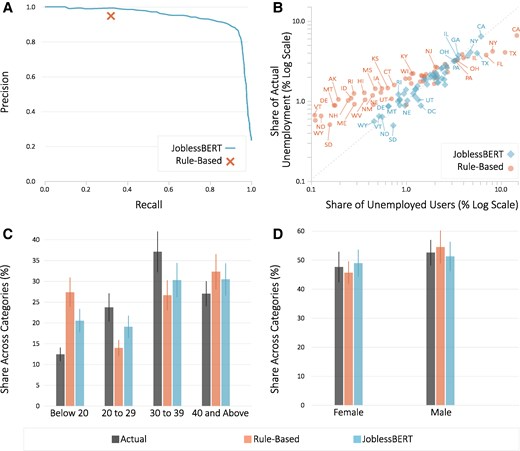
Government unemployment data today are what Nielsen TV ratings were decades ago - a flawed metric...
Gestational Diabetes Up 36% In The Last Decade - But Black Women Are Healthiest

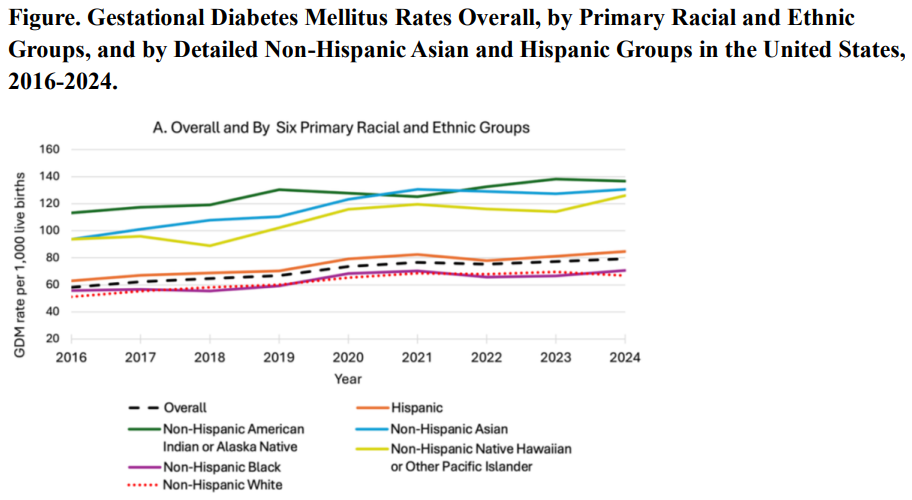
Gestational diabetes, a form of glucose intolerance during pregnancy, occurs primarily in women...
Object-Based Processing: Numbers Confuse How We Perceive Spaces

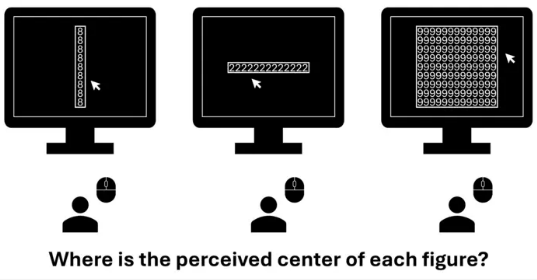
Researchers recently studied the relationship between numerical information in our vision, and...
Males Are Genetically Wired To Beg Females For Food

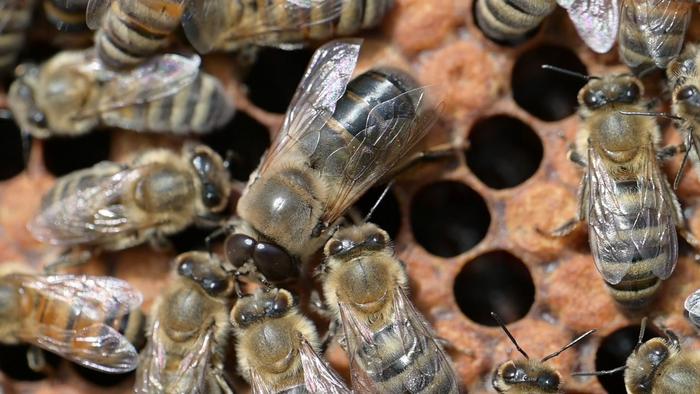
Bees have the reputation of being incredibly organized and spending their days making sure our...

User picture.
News StaffRSS Feed of this column.

News Releases From All Over The World, Right To You... Read More »

Blogroll

The body temperature of cold-blooded (ectothermic) animals, including insects, is ultimately determined by ambient temperature, and that impacts the speed and efficiency of their vital biological processes also.

But is it changes in average temperature or frequency of extreme temperature conditions that have the greatest impact on species distribution? A group of Danish and Australian researchers decided to examine a number of insect species to find out.

Researchers have used fishing line fiber and sewing thread to create inexpensive artificial muscles.
 
The inexpensive, artificial muscles generate far more force and power than human or animal muscles of the same size and could be used in medical devices, humanoid robots, prosthetic limbs, or woven into fabrics.

"In terms of the strength and power of the artificial muscle, we found that it can quickly lift weights 100 times heavier than a same-sized human muscle can, in a single contraction," says University of British Columbia Electrical and Computer Engineering professor John Madden. "It also has a higher power output for its weight than that of an automobile combustion engine."

A common space weather phenomenon on the outskirts of Earth's magnetic bubble, the magnetosphere, has a much different effect on Venus.

 The giant explosions, called hot flow anomalies, can be so large at Venus that they're bigger than the entire planet - and they can happen multiple times a day. 
Earth is protected from the constant streaming solar wind of radiation by its magnetosphere.

Venus, on the other hand, is a barren, inhospitable planet, with an atmosphere so dense that spacecraft landing there are crushed within hours. Venus has no magnetic protection. 

You probably recognize that there are no objective measures to creating those "Top 10" and "Top 100" lists. There is a generous sprinkling of personal bias and subjective decisions.

Yet the assumption is that rankings of median home prices and crime rates and the "best places to live" aren't being done deceptively. Still, a way to account for unintentional bias would be great, and so Harvard researchers have created LineUp, an open-source application that empowers ordinary citizens to make quick, easy judgments about rankings based on multiple attributes.

DNA sequencing technologies continue to make bold strides, and that means a lot for the plant sciences.

Genome-scale data sets obtained from these new technologies will allow researchers to greatly improve our understanding of evolutionary relationships, because studies of phylogenetic relationships among different plant species have traditionally relied on analyses of a limited number of genes, mostly from the chloroplast genome. Limited data often means limited ability to fully or accurately resolve phylogenetic relationships.  

Deep waters formed in the northern North Atlantic fill approximately half of the deep ocean globally.

As you might gather, that impacts the circum-Atlantic climate and regional sea levels and soaks up much of the excess atmospheric carbon dioxide from industrialization.

Changes in this circulation mode are considered by some to be a potential tipping point in future climate change that could have widespread and long-lasting impacts including on regional sea level, the intensity and pacing of Sahel droughts, and the pattern and rate of ocean acidification and CO2 sequestration. But this pattern of circulation has been relatively stable during warm climate states such as those projected for the end of the century.


