
Banner
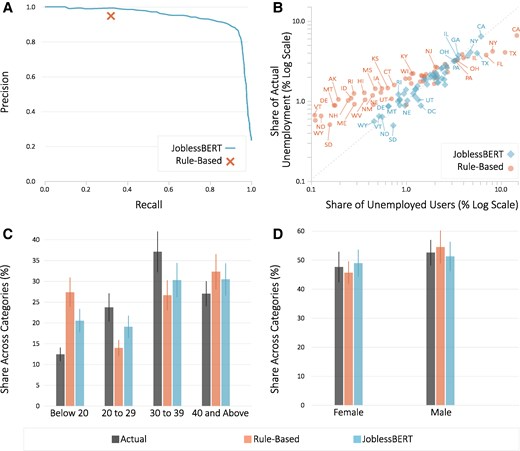
Social Media Is A Faster Source For Unemployment Data Than Government

Government unemployment data today are what Nielsen TV ratings were decades ago - a flawed metric...
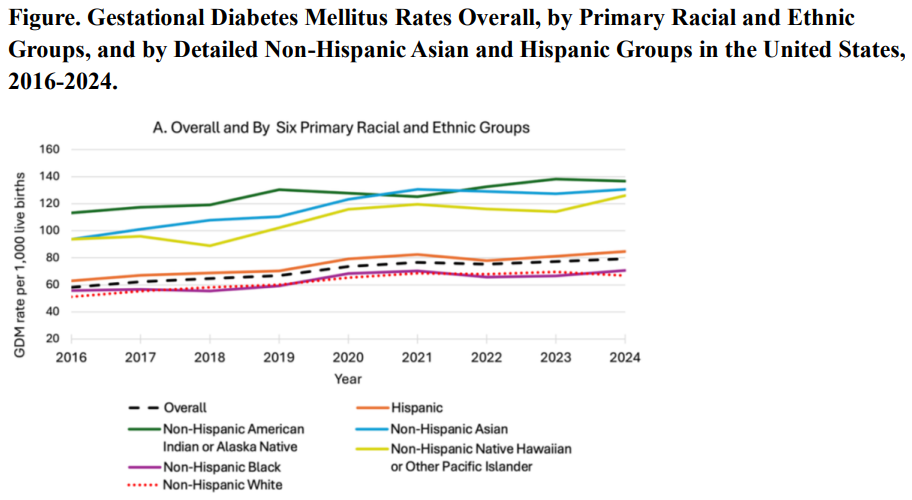
Gestational Diabetes Up 36% In The Last Decade - But Black Women Are Healthiest

Gestational diabetes, a form of glucose intolerance during pregnancy, occurs primarily in women...
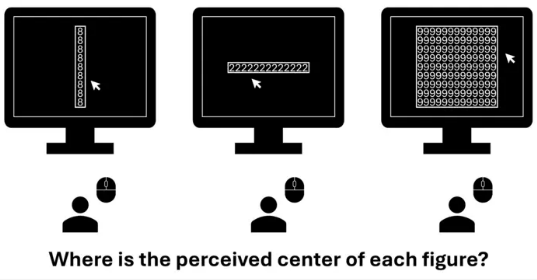
Object-Based Processing: Numbers Confuse How We Perceive Spaces

Researchers recently studied the relationship between numerical information in our vision, and...

Males Are Genetically Wired To Beg Females For Food

Bees have the reputation of being incredibly organized and spending their days making sure our...

User picture.
News StaffRSS Feed of this column.

News Releases From All Over The World, Right To You... Read More »

Blogroll

In a study to be presented on Feb. 6 at 3 p.m. CST, at the Society for Maternal-Fetal Medicine's annual meeting, The Pregnancy Meeting™, in New Orleans, researchers will report that women ages 35 and older are at a decreased risk of having a child with a major congenital malformation, after excluding chromosomal abnormalities.

FINDINGS:

Women who are 65 and older routinely undergo bone-density testing to screen for osteoporosis. But for those between the ages of 50 and 64, it has been unclear who should be screened.

Researchers sought to determine how well the current screening strategy recommended by the U.S. Preventive Services Task Force — the independent expert panel appointed by the federal government to review and recommend various screenings — would perform in identifying candidates in this age range for screening.

Using health data on women ages 50-64 from the Women's Health Initiative study, the researchers found that the current strategy would identify only 34 percent of women who actually had bone-mineral density in the osteoporosis range.

While each American political party has positions that are determined to undermine science (food, medicine and energy for Democrats, evolution and global warming for Republicans) their constituents still respect scientists overall, even if they don't accept the legitimacy of some fields.

While most Americans could be a bit more knowledgeable in the ways of science, a majority are interested in hearing about the latest scientific breakthroughs and think highly of scientists.

The National Science Foundation's biannual survey of over 2,200 people is part of their Science and Engineering Indicators that they do for the president and Congress.

SAN ANTONIO (Jan. 28, 2014) — Although inflammation is frequently a cause of disease in the body, research from The University of Texas Health Science Center at San Antonio indicates that low levels of a pro-inflammatory cytokine in the brain are important for cognition. Cytokines are proteins produced by the immune system.

New results from NASA's MABEL campaign demonstrated that a photon-counting technique will allow researchers to track the melt or growth of Earth's frozen regions.

When a high-altitude aircraft flew over the icy Arctic Ocean and the snow-covered terrain of Greenland in April 2012, it was the first polar test of a new laser-based technology to measure the height of Earth from space.

Ever since the nineteenth century scientists have recognised that some regions contain more species than others, and that the tropics are richer in biodiversity than temperate regions. But why are there more species in the tropics? A new study publishing 28 January in the Open Access journal PLOS Biology scrutinizes most of the living mammalian species and reveals a two-fold mechanism; the rate at which mammals arose was higher in the tropics, and the rate at which they became extinct lower. They also propose that the tropics have been a continuous source of diversity that has permitted repeated colonization of the temperate regions.


