Banner
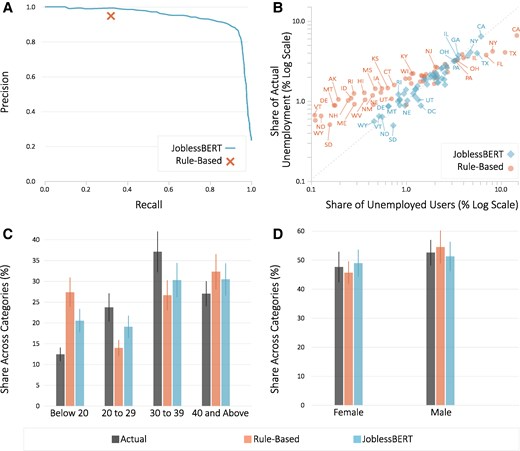
Social Media Is A Faster Source For Unemployment Data Than Government

Government unemployment data today are what Nielsen TV ratings were decades ago - a flawed metric...
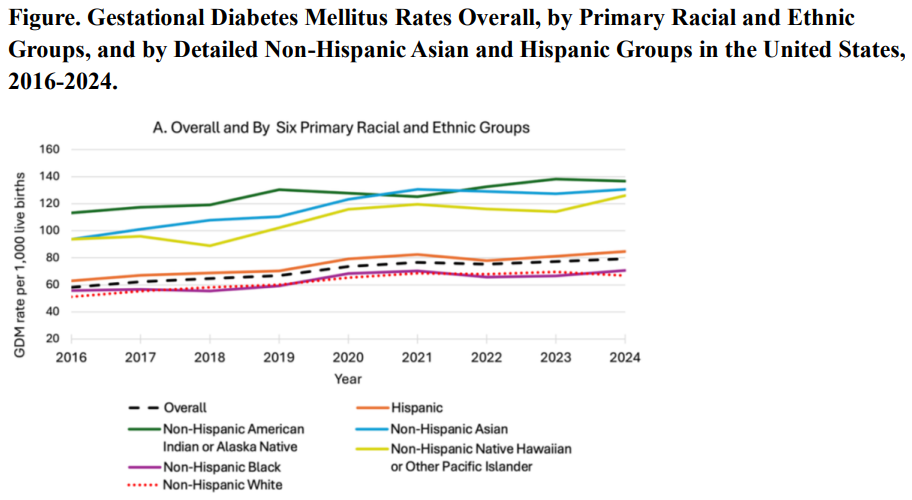
Gestational Diabetes Up 36% In The Last Decade - But Black Women Are Healthiest

Gestational diabetes, a form of glucose intolerance during pregnancy, occurs primarily in women...
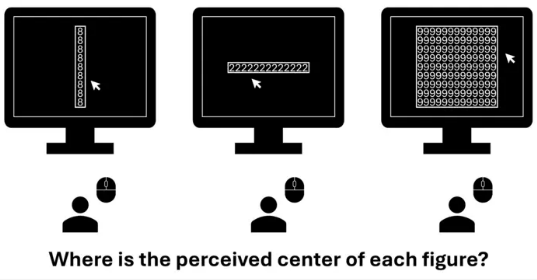
Object-Based Processing: Numbers Confuse How We Perceive Spaces

Researchers recently studied the relationship between numerical information in our vision, and...

Males Are Genetically Wired To Beg Females For Food

Bees have the reputation of being incredibly organized and spending their days making sure our...

User picture.
News StaffRSS Feed of this column.

News Releases From All Over The World, Right To You... Read More »

Blogroll

A new survey finds that nearly half of HIV-infected teenagers and young adults don't seek treatment unless the disease advances, which can them at risk for dangerous infections and long-term complications. It is accepted that starting treatment as early as possible can go long way toward keeping the virus in check and prevent the cardiovascular, renal and neurological damage characteristic of poorly controlled HIV infection over time.

Those most likely to delay treatment until they had advanced infections were males, blacks and Hispanics, the paper in
JAMA Pediatrics

At 78 percent among people aged 50 and over, South Africa has the highest rate of high blood pressure reported for any country in the world, at any time in history. And less than 10 percent of people are effectively controlling their condition with medication, according to an analysis of data from the Study on Global Ageing and Adult Health (SAGE) conducted by the World Health Organisation (WHO), which surveyed more than 35,000 people aged 50 and over in South Africa, China, Ghana, India, Mexico and Russia. 

British people traveling abroad for medical treatment are often unaware of the potential health and financial consequences they could face - with sometimes catastrophic effects for individual patients.

More than 63,000 UK residents travel abroad for medical treatment each year but many are embarking on medical tourism without doing research about the risks involved. These include a lack of redress in many countries should things go wrong, and the costs of non-emergency care at home to rectify poor outcomes of treatments received overseas. Since the UK has government-controlled health care, individuals are personally liable for those costs.

Exposure to short wavelength, blue, light during the biological day directly and immediately improves alertness and performance.

In order to determine which wavelengths of light were most effective in warding off fatigue, the researchers teamed with George Brainard, PhD, a professor of neurology at Thomas Jefferson University, who developed the specialized light equipment used in the study. Researchers compared the effects of blue light with exposure to an equal amount of green light on alertness and performance in 16 study participants for 6.5 hours over a day. Participants then rated how sleepy they felt, had their reaction times measured and wore electrodes to assess changes in brain activity patterns during the light exposure.  

Women who take nonsteroidal anti-inflammatory drugs (NSAIDs) like ibuprofen, naproxen and diclofenac during pregnancy are not at increased risk of miscarriages.

NSAIDs are used by pregnant women in the first trimester to combat pain, fever and inflammation.  Previous studies on whether they increase the risk of pregnancy loss have shown inconsistent results.

People with high blood pressure are familiar with ACE inhibitors, drugs that widen blood vessels by limiting activity of ACE, angiotensin-converting enzyme, a naturally occurring protein found in tissues throughout the body. 

But high activity of ACE may sometimes be a good thing. A study conducted by Cedars-Sinai scientists found that genetically targeting certain immune blood cells to overproduce the enzyme broke down defective proteins in the brain associated with Alzheimer's disease and prevented cognitive decline in laboratory mice bred to model the disease.