
Banner
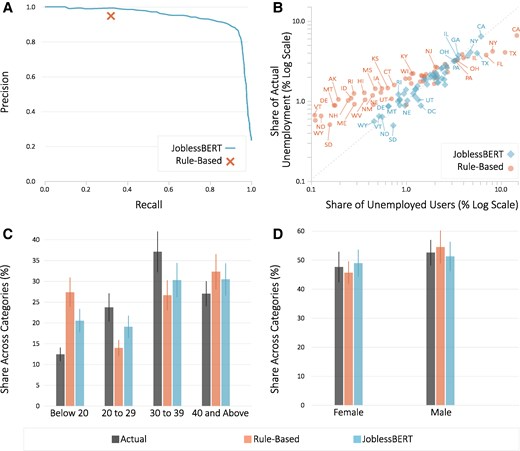
Social Media Is A Faster Source For Unemployment Data Than Government

Government unemployment data today are what Nielsen TV ratings were decades ago - a flawed metric...

Gestational Diabetes Up 36% In The Last Decade - But Black Women Are Healthiest

Gestational diabetes, a form of glucose intolerance during pregnancy, occurs primarily in women...
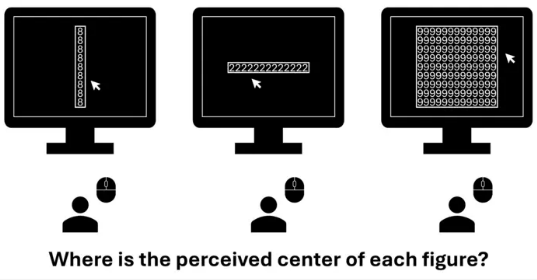
Object-Based Processing: Numbers Confuse How We Perceive Spaces

Researchers recently studied the relationship between numerical information in our vision, and...
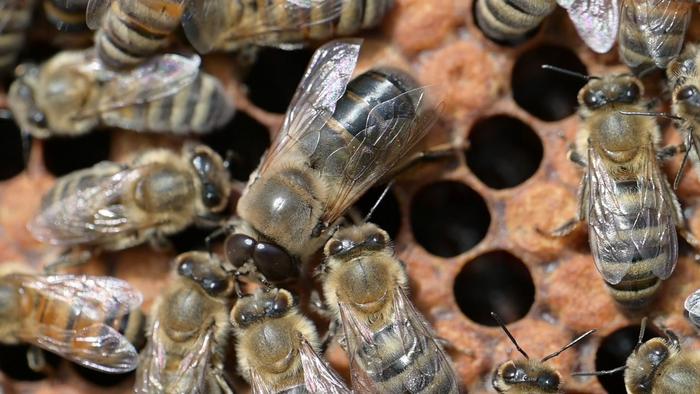
Males Are Genetically Wired To Beg Females For Food

Bees have the reputation of being incredibly organized and spending their days making sure our...

User picture.
News StaffRSS Feed of this column.

News Releases From All Over The World, Right To You... Read More »

Blogroll

While the ability of human embryonic stem cells (hESCs) to become any type of mature cell, from neuron to heart to skin and bone, is indisputably crucial to human development, no less important is the mechanism needed to maintain hESCs in their pluripotent state until such change is required.

In a paper published in this week's Online Early Edition of PNAS, researchers from the University of California, San Diego School of Medicine identify a key gene receptor and signaling pathway essential to doing just that – maintaining hESCs in an undifferentiated state.

RIVERSIDE, Calif. — Insects represent remarkable diversity and have adapted to all sorts of ecological nooks and crannies. For example, they have taste receptors — novel proteins — with which they taste chemicals and make important choices about not only foods but also mates and where to deposit their eggs. These receptors are widely seen as being at the leading edge of behavioral adaptations.

Now, using the common fruit fly, researchers at the University of California, Riverside have performed a study that describes just how the fly's taste receptors detect sweet compounds.

CAMBRIDGE, MA -- MIT engineers have devised a way to measure the mass of particles with a resolution better than an attogram — one millionth of a trillionth of a gram. Weighing these tiny particles, including both synthetic nanoparticles and biological components of cells, could help researchers better understand their composition and function.

The system builds on a technology previously developed by Scott Manalis, an MIT professor of biological and mechanical engineering, to weigh larger particles, such as cells. This system, known as a suspended microchannel resonator (SMR), measures the particles' mass as they flow through a narrow channel.

The families of some very severely brain injured patients believe that once all treatment options are exhausted, allowing their relatives to die with the help of terminal sedation would be a humane and compassionate option.

The authors interviewed the families of patients in a vegetative or minimally conscious state, found some relatives believed euthanasia by sedation would be preferable to withholding or withdrawing treatment. Currently, the withdrawal of treatment such as artificial nutrition and hydration is the only legal method guaranteed to allow death in patients in a vegetative state.

As food science continues to advance, so do calls to label and ban foods that have been modified using modern techniques.

In GMOs, the genes of some plants used for food are tweaked to make them more healthful (Golden Rice) or pest-resistant (lots of others). By the end of 2012, farmers were growing GM crops on more than 420 million acres of land across 28 countries without any environmental or health issues but a well-funded campaign against these modifications has made some consumers leery of it. It was only a matter of time before someone created a comprehensive test for people concerned about GMOs and a group writing in Analytical Chemistry say they have done just that. 

A derided 1990s hypothesis of consciousness may have gotten new life, according to a review in Physics of Life Reviews, which claims that consciousness derives from deeper level, finer scale activities inside brain neurons.




