
Banner
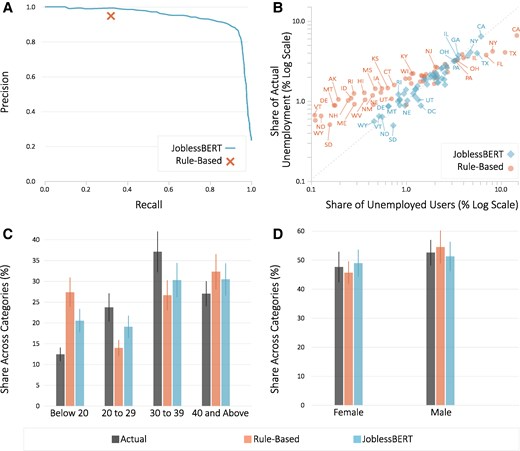
Social Media Is A Faster Source For Unemployment Data Than Government

Government unemployment data today are what Nielsen TV ratings were decades ago - a flawed metric...

Gestational Diabetes Up 36% In The Last Decade - But Black Women Are Healthiest

Gestational diabetes, a form of glucose intolerance during pregnancy, occurs primarily in women...

Object-Based Processing: Numbers Confuse How We Perceive Spaces

Researchers recently studied the relationship between numerical information in our vision, and...
Males Are Genetically Wired To Beg Females For Food

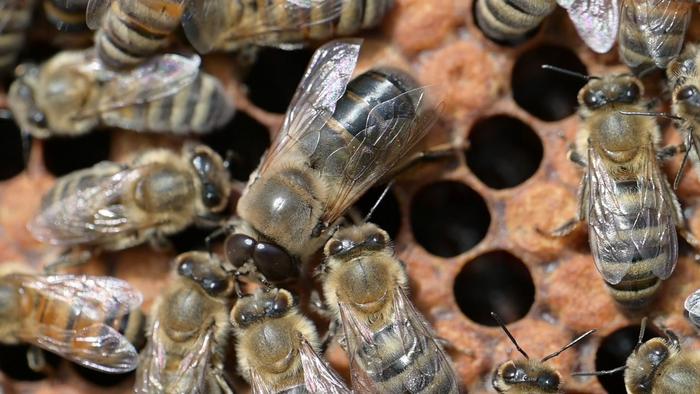
Bees have the reputation of being incredibly organized and spending their days making sure our...

User picture.
News StaffRSS Feed of this column.

News Releases From All Over The World, Right To You... Read More »

Blogroll

BOSTON (01/23/14)—A young athlete in seemingly excellent health dies suddenly from a previously undetected cardiovascular condition such as hypertrophic cardiomyopathy in nearly every U.S. state annually. Although these conditions can be detected using electrocardiography (ECG) during a screening exam, the American Heart Association recommends against routine use of ECG, because it has a high false-positive rate. Limiting screening to a history and physical, however, usually fails to identify at-risk athletes. "The sports medicine physical lacks an effective way of ferretting out these heart problems," says Gianmichel Corrado, MD, from Boston Children's Hospital Division of Sports Medicine. Until now.

In laboratory experiments conducted on human cell lines at the Johns Hopkins Kimmel Cancer Center, scientists have shown that people carrying certain mutations in two hereditary cancer genes, BRCA2 and PALB2, may have a higher than usual susceptibility to DNA damage caused by a byproduct of alcohol, called acetaldehyde.

The scientists say they suspect that the two genes in their normal forms evolved to protect cells against the damaging effects of acetaldehyde, which can lead to cancer.

While the scientists caution that the research is preliminary, they say their findings suggest that studies on disease risk factors should take into account these particular genetic variations and the use of alcohol.

Currently approved flu vaccines are less effective in the elderly, yet an estimated 90% of influenza-related deaths occur in people over 65. A paper published on January 23rd in PLOS Pathogens reports on the challenges scientists encountered when they were trying to develop a better flu vaccine.

Because immune systems in older people are generally less responsive to vaccination, Jay Evans and colleagues from GlaxoSmithKline Vaccines in Hamilton, USA, were testing so-called adjuvants—vaccine components that provoke a stronger immune reaction—that could be added to the regular flu vaccine cocktail to prompt even weaker immune systems to develop protective immunity against subsequent encounters with the flu virus.

A team of scientists, led by principal investigator David D. Schlaepfer, PhD, a professor in the Department of Reproductive Medicine at the University of California, San Diego School of Medicine, has found that a protein involved in promoting tumor growth and survival is also activated in surrounding blood vessels, enabling cancer cells to spread into the bloodstream.

The findings are published in this week's online issue of the Journal of Cell Biology.

Blood vessels are tightly lined with endothelial cells, which form a permeability barrier to circulating cells and molecules. "Our studies show that pharmacological or genetic inhibition of the endothelial protein focal adhesion kinase, or FAK, prevents tumor spread by enhancing the vessel barrier function."

Soils of southern South America, including Patagonia, have endured a high frequency of disturbances from volcanic eruptions, earthquakes, landslides, and erosion. In addition, massive fires in the mid-20th century were set to forests in the region in an effort to promote colonization. In 2010, another 17,000 acres of Patagonia burned, fueling an international reforestation effort. Although the young soils of southern South America may contain high phosphorus levels, the element is tightly bound to the soil, offering limited phosphorus available to plants.

So how can plants in this area take root and access that phosphorus?

An editorial in this month's edition of Global Heart (the journal of the World Heart Federation) suggests the world of medicine could be experiencing its final days of the stethoscope, due to the rapid advent of point-of-care ultrasound devices that are becoming increasingly accurate, smaller to the point of being hand-held and less expensive as the years roll by. The editorial is by Professor Jagat Narula, Editor-in-Chief of Global Heart (Mount Sinai School of Medicine, New York, USA) and Associate Professor Bret Nelson, also of Mount Sinai School of Medicine, New York, USA.

