
Banner
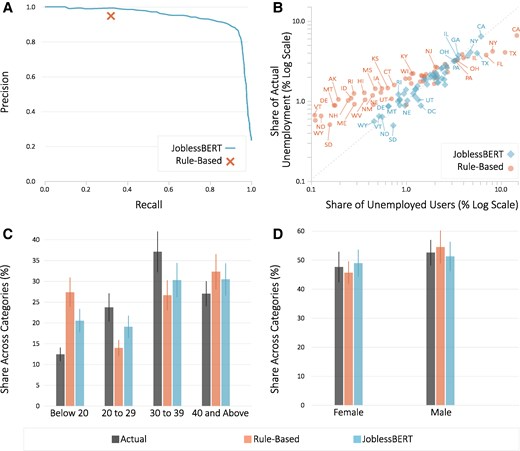
Social Media Is A Faster Source For Unemployment Data Than Government

Government unemployment data today are what Nielsen TV ratings were decades ago - a flawed metric...
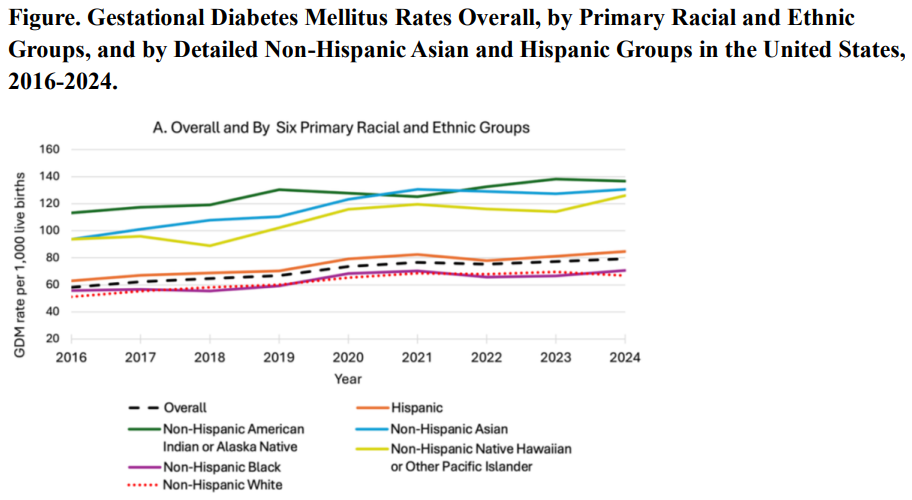
Gestational Diabetes Up 36% In The Last Decade - But Black Women Are Healthiest

Gestational diabetes, a form of glucose intolerance during pregnancy, occurs primarily in women...
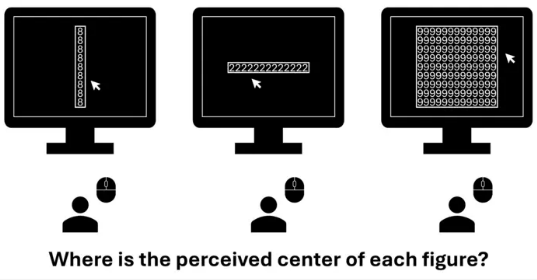
Object-Based Processing: Numbers Confuse How We Perceive Spaces

Researchers recently studied the relationship between numerical information in our vision, and...
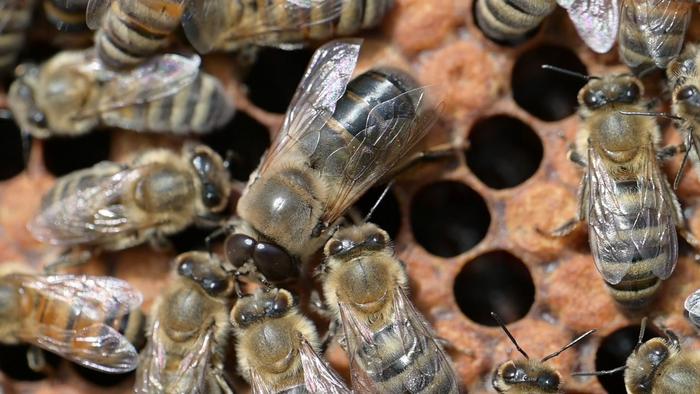
Males Are Genetically Wired To Beg Females For Food

Bees have the reputation of being incredibly organized and spending their days making sure our...

User picture.
News StaffRSS Feed of this column.

News Releases From All Over The World, Right To You... Read More »

Blogroll

If you can't get by without caffeine and won't give it up even if you have a condition that may be impacted by it, such as pregnancy, a heart condition, or a bleeding disorder, you may have "Caffeine Use Disorder." 

Caffeine is the most commonly used drug in the world, according to the authors of a new paper, and is found in everything from coffee and soda, to OTC pain relievers and a bunch of stuff with some form of the word "energy" on the label, but they say health professionals have been slow to characterize problematic caffeine use and acknowledge that some cases may call for treatment. 

So if you joke that "Caffeine isn't a drug, it's a vitamin" you may have a condition.  

 A new whole-body, diffusion-weighted magnetic resonance imaging (MRI) scan could improve care for myeloma  - cancer of the white blood (plasma) cells, one of the most common forms of blood cancer - and reduce reliance on bone marrow biopsies, which can be painful for patients and often fail to show doctors how far the disease has spread. 

Whole-body, diffusion-weighted MRI scans showed the spread of cancer throughout the bone marrow of patients with myeloma more accurately than standard tests. The scans also showed whether the patients were responding to cancer treatments. 

A new study has found that concentrations of arsenic, selenium, and mercury in bighead and silver carp from the lower Illinois River aren't a health concern.

Importantly, inorganic arsenic concentrations were undetectable and concentrations of selenium in carp fillets were well below the 1.5 mg/kg threshold for restricting the number of meals, according to the US Environmental Protection Agency. The distinction between naturally occurring arsenic and arsenic from the external environment has been a problem for popular media outlets like The Dr. Oz Show, which fail to note natural sources. 

Under-use of fertilizers in Africa currently contributes to a growing yield gap; the difference between how much crops could produce in ideal circumstances compared to actual yields. 

Better yields mean more food and sustainable food leads to wealth and culture and a better life.

But fertilizer has to be smartly applied, with both phosphorous and nitrogen, and the difference between them is substantial for subsistence farmers. While nitrogen-based fertilizers can be produced by a process that extracts the element from the air, phosphorus must be mined from rock—and reserves are limited. That makes phosphorus fertilizers expensive, especially in the longer term. 

With any pesticide, over-use can have harmful effects on the environment. 

DDT has not been used in America for over four decades but Rutgers scholars say that exposure to DDT may also increase the risk and severity of Alzheimer's disease in some people, particularly those over the age of 60. 

There are efforts to label obesity as a mental illness and a physical addiction. While that's good for psychologists who want get eating therapy paid by insurance claims, it may undermine healthy behaviors, according to a paper in Psychological Science.






