Banner
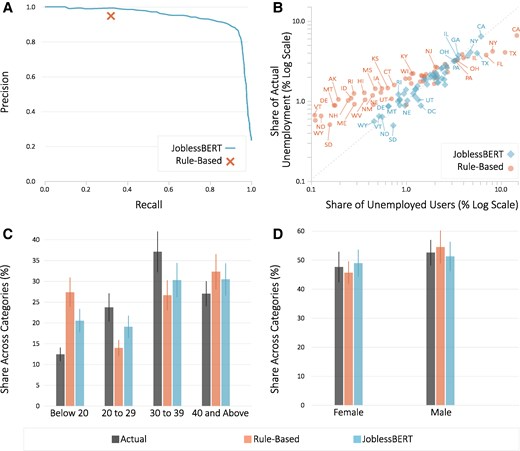
Social Media Is A Faster Source For Unemployment Data Than Government

Government unemployment data today are what Nielsen TV ratings were decades ago - a flawed metric...
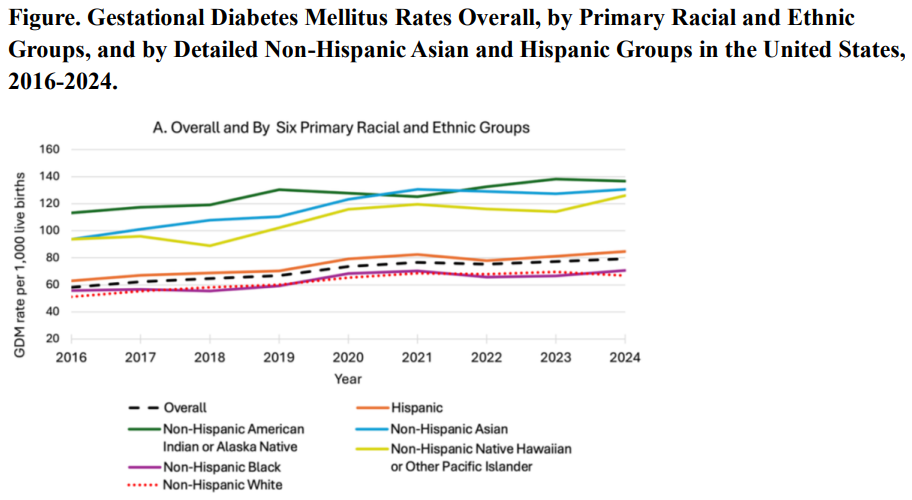
Gestational Diabetes Up 36% In The Last Decade - But Black Women Are Healthiest

Gestational diabetes, a form of glucose intolerance during pregnancy, occurs primarily in women...
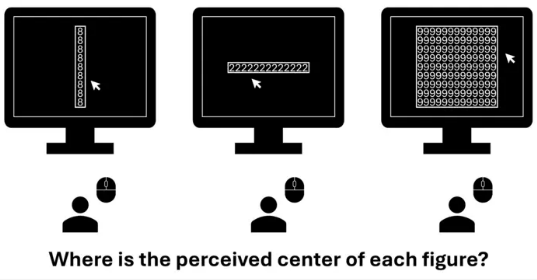
Object-Based Processing: Numbers Confuse How We Perceive Spaces

Researchers recently studied the relationship between numerical information in our vision, and...
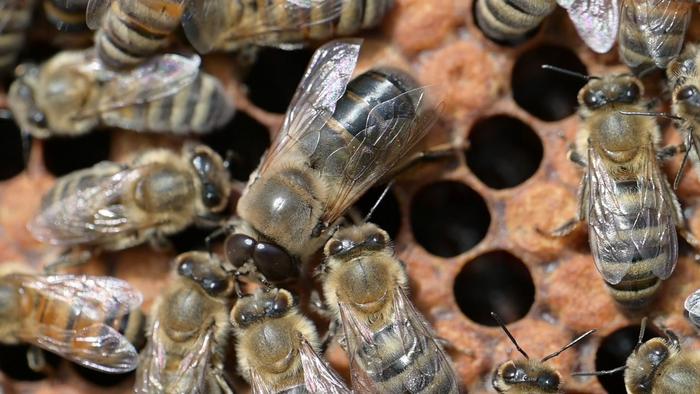
Males Are Genetically Wired To Beg Females For Food

Bees have the reputation of being incredibly organized and spending their days making sure our...

User picture.
News StaffRSS Feed of this column.

News Releases From All Over The World, Right To You... Read More »

Blogroll

Over five-thousand years, cats began living alongside farmers in the ancient Chinese village of Quanhucun, according to a new paper. Probably because of rodents attracted to food. 

Cat remains rarely are found in ancient archaeological sites, and little is known about how they were domesticated. Cats were thought to have first been domesticated in ancient Egypt, where they were kept some 4,000 years ago, but more recent research suggests close relations with humans may have occurred much earlier, including the discovery of a wild cat buried with a human nearly 10,000 years ago in Cyprus.

 A new hand bone from a human ancestor who roamed the earth in East Africa approximately 1.42 million years ago has been found at the 'Kaitio' site in West Turkana, Kenya. 

Humans have a distinctive hand anatomy that allows us to make and use tools. Apes and other non-human primates do not have these distinctive anatomical features in their hands, and the point in time at which these features first appeared in human evolution is unknown.

The researchers suspect the bone belonged to the early human species, Homo erectus, making this bone is the earliest evidence of a modern human-like hand and indicating that this anatomical feature existed more than half a million years earlier than previously known.

There is a national consensus among policy makers and educators that residents should factor the cost of care into decision making - but doctors and those who teach them are not buying in.

In a culture of defensive medicine and unlimited malpractice lawsuits, over-testing is common. And there have been decades of stories and television programs stating that doctors should decide how to treat patients, not insurance companies or hospital management.  Of the
nearly $3 trillion a year spent on health care costs,  30 percent - over $750 billion annually - is considered wasted care that could be avoided without affecting quality, reports the Institutes of Medicine. 

Low-income, Hispanic and African-American Californians need to have a tax on sodas and other sugary beverages if they are going to have reduced risk of diabetes - which could be a substantial cost for taxpayers in a world of government health care.

Over the course of the next decade, the scholars estimate that lowered incidence of these diseases would save over half a billion dollars in medical costs. 2 or perhaps 3 of each 20,000 people.

Young adults want to live n cities. No surprise there, cities have more nightlife and activity. What is a surprise is the claims that young adults instead want to live in cities because of mass transit, and high-density housing. If those were so terrific, people would not move to the suburbs when they have families. 

Professor Markus Moos of the Faculty of Environment at the University of Waterloo sought to debunk ideas of neighborhood gentrification defined along class lines, so he focused on urban core areas increasingly populated by young adults who have delayed child-bearing and education and economic prospects in return for an extended youthful phase.

Endocrinologists are warning us in a paper for an upcoming issue of the
journal Endocrinology

that some of the chemicals used in hydraulic fracturing - fracking - can disrupt the body's hormones.