
Banner
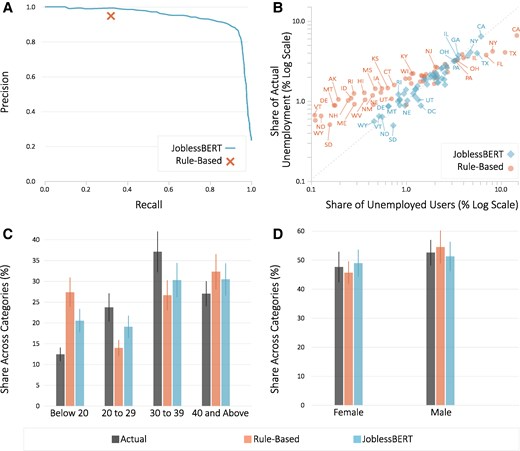
Social Media Is A Faster Source For Unemployment Data Than Government

Government unemployment data today are what Nielsen TV ratings were decades ago - a flawed metric...
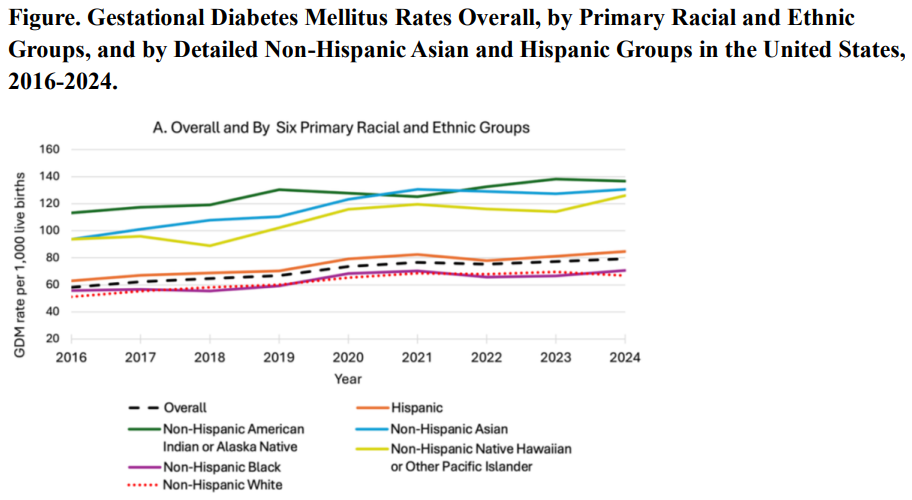
Gestational Diabetes Up 36% In The Last Decade - But Black Women Are Healthiest

Gestational diabetes, a form of glucose intolerance during pregnancy, occurs primarily in women...

Object-Based Processing: Numbers Confuse How We Perceive Spaces

Researchers recently studied the relationship between numerical information in our vision, and...

Males Are Genetically Wired To Beg Females For Food

Bees have the reputation of being incredibly organized and spending their days making sure our...

User picture.
News StaffRSS Feed of this column.

News Releases From All Over The World, Right To You... Read More »

Blogroll

Long hours, no money - medical residents have a hard job and it can wear them down. But topping the list are residents in anesthesiology training programs, reports a surve in the July issue of Anesthesia&Analgesia.

The findings raise concerns that, "In addition to effects on the health of anesthesiology trainees, burnout and depression may also affect patient care and safety," write Dr Gildasio S. de Oliveira, Jr, and colleagues of Northwestern University, Chicago.


Mealybugs only eat plant sap but sap doesn't contain all the essential amino acids the insects need to survive - so mealybugs have developed a symbiotic relationship with two species of bacteria, one living inside the other in a situation unique to known biology, to manufacture the nutrients sap doesn't provide.

The net result: The bacteria get a comfy mealybug home, and the bugs get the nutrition they need to live.

University of Montana microbiologist John McCutcheon describes such mutually beneficial relationships used to solve life's little problems as "almost hilariously complicated. But animal-bacterial relationships are extremely common in nature, and it's my goal in life to help people understand that it's normal."

An assistant professor in the Division of Biology at Kansas State University is projecting that grazing animals such as bison and cattle will get smaller due to global warming in the Great Plains. 

The conclusion came about by comparing bison in cooler, wetter regions with those in warmer, drier regions. For example, the average 7-year-old male bison in South Dakota weighed 1,900 pounds, while an average 7-year-old male bison in Oklahoma -- a warmer region -- weighed 1,300 pounds. The cause: grasses in the southern Great Plains have less protein than grasses in the northern Great Plains because of the warmer climate. 

Nearly 70 percent of Americans take at least one prescription drug and more than 50 percent take two, scholars writing in Mayo Clinic Proceedings say. Antibiotics, antidepressants and painkilling opioids are most commonly prescribed, they found. 20 percent of patients are on five or more prescription medications, according to the findings.

Terrorism-induced smoking is a new explanatory factor that will keep public health academics from accepting that free choice happens - some people will do things that are bad for them.

 A Weill Cornell Medical College public health study is stuck in pre-9/11 determinism too; the author concludes that the September 11th, 2001 terrorist attacks caused 1,000,000 former smokers to take up the noxious weed again - and maintain it.

The analysis in Contemporary Economic Policy is distinct in that it is the first to examine terrorism-induced smoking in the United States and come up with net societal costs they feel are directly linked to terrorism.  All determined by phone surveys.

If you support less efficient agriculture, organic food or conventional food without science optimization, crop yields will not be enough to feed the population of 2050. It's the population bomb scare of the 1950s and '60s reborn a century later.

While American agriculture has dematerialized in the last few decades - we produce far more food on far less land - Europe and other countries have not kept pace. Due to that, crop yields worldwide won't increase quickly enough to support estimated global needs in 2050, according to the claims of a paper in PLoS ONE





