
Banner
Social Media Is A Faster Source For Unemployment Data Than Government

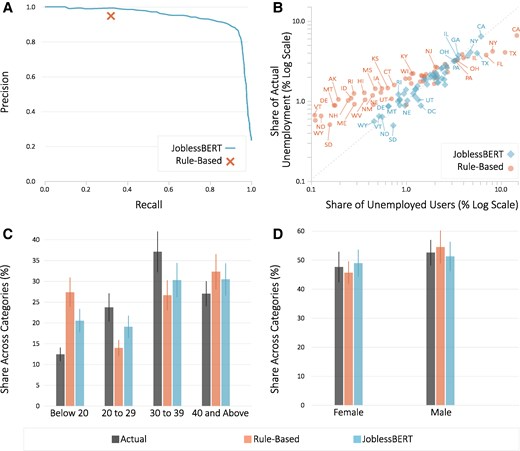
Government unemployment data today are what Nielsen TV ratings were decades ago - a flawed metric...
Gestational Diabetes Up 36% In The Last Decade - But Black Women Are Healthiest

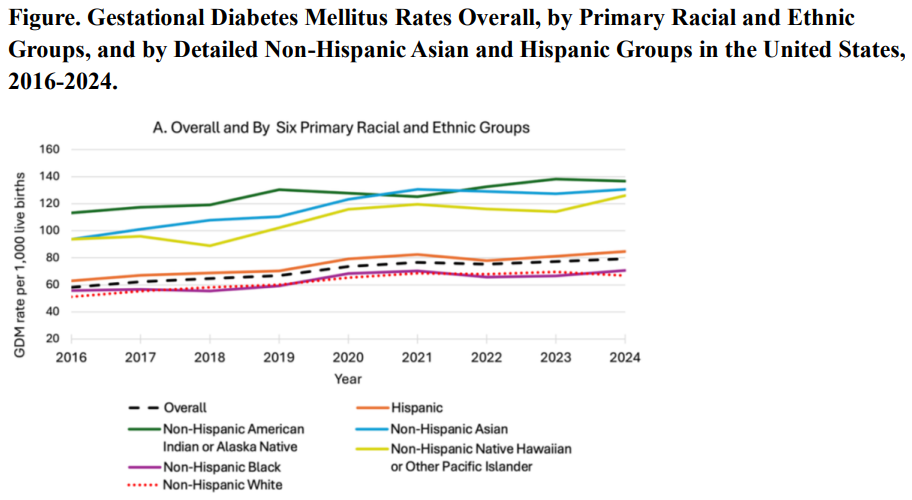
Gestational diabetes, a form of glucose intolerance during pregnancy, occurs primarily in women...
Object-Based Processing: Numbers Confuse How We Perceive Spaces

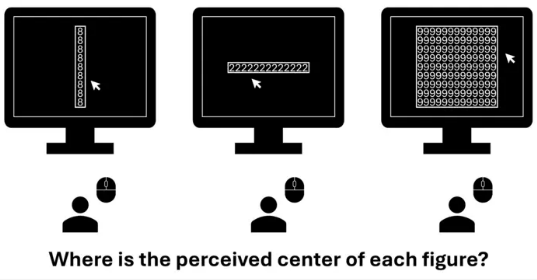
Researchers recently studied the relationship between numerical information in our vision, and...
Males Are Genetically Wired To Beg Females For Food

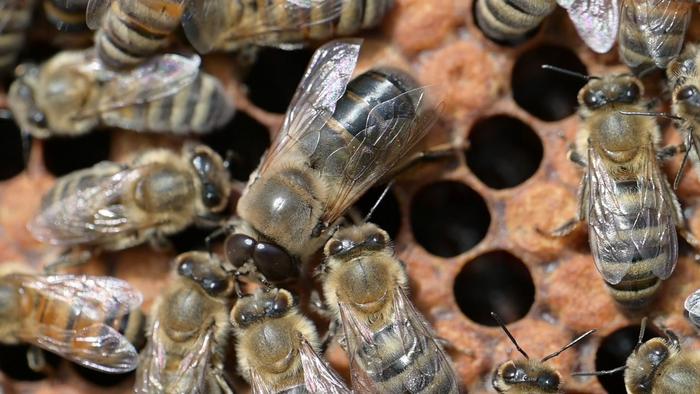
Bees have the reputation of being incredibly organized and spending their days making sure our...

User picture.
News StaffRSS Feed of this column.

News Releases From All Over The World, Right To You... Read More »

Blogroll
 Marsupials represent approximately 6% of all mammal species and include iconic pouched mammals like the kangaroo, wombat and koala. Compared to eutherian mammals like the dog, cow and human, marsupials have ultra-short pregnancies and give birth to very immature, almost embryonic, young that complete most of their development attached to the teat, usually within a pouch.Even kangaroos, the largest extant marsupials, give birth to a newborn that weighs less than one gram and must climb blind and unaided from the birth canal to the pouch. 

A new psychology paper evolution and basic survival techniques adapted by early humans influence the decisions gamblers make when placing bets. 

So if current counseling options for problem gamblers don't work, we can blame biology.

The scholars examined how gamblers made decision after they won or lost. They found that  gamblers relied on their past experiences to predict what might happen in the future. But in games of chance where the outcome is completely random, this strategy doesn't work.

Electrically charged lunar dust near shadowed craters can get lifted above the surface and 'jump' over the shadowed region, bouncing back and forth between sunlit areas on opposite sides.

Ancient rises in sea levels and global warming are partially attributable to cyclical activity below the earth's surface, according to a new analysis of geological studies. 

New York University's Michael Rampino and Carleton University's Andreas Prokoph analysis considers long-term fluctuations in global climate, diversity of marine organisms, and sea level changes, aiming to identify a unifying cause for these changes. While much scientific study has centered on phenomena above the earth's crust, less attention has historically been paid to changes deep inside our planet.

Engineers at the University of Sheffield have been doing some science of rugby - measuring the dynamic friction between the material of the ball and the skin on the fingertips and palm, and the mitts that some players choose to wear under different weather conditions to find the best way to limit the risk of a player fumbling the ball.

In a first, a whale skeleton has been found on the ocean floor near Antarctica, almost a mile below the surface in an undersea crater. With it were at least nine new species of deep-sea organisms thriving on the bones.



