
Banner
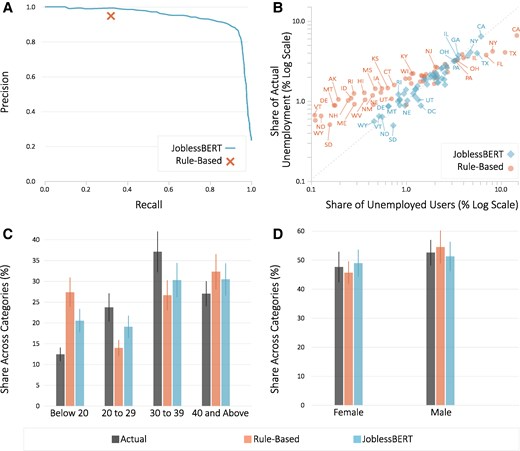
Social Media Is A Faster Source For Unemployment Data Than Government

Government unemployment data today are what Nielsen TV ratings were decades ago - a flawed metric...
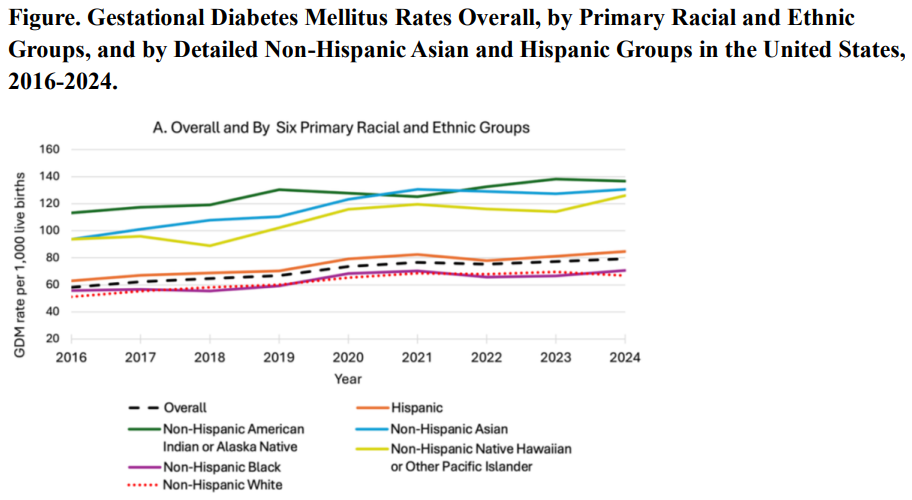
Gestational Diabetes Up 36% In The Last Decade - But Black Women Are Healthiest

Gestational diabetes, a form of glucose intolerance during pregnancy, occurs primarily in women...

Object-Based Processing: Numbers Confuse How We Perceive Spaces

Researchers recently studied the relationship between numerical information in our vision, and...

Males Are Genetically Wired To Beg Females For Food

Bees have the reputation of being incredibly organized and spending their days making sure our...

User picture.
News StaffRSS Feed of this column.

News Releases From All Over The World, Right To You... Read More »

Blogroll

Extremely drug resistant TB, or XDR-TB, is a serious problem in India, according to a study presented at the American Thoracic Society 2007 International Conference, on Monday, May 21.

The study, the first in India to look at the prevalence of XDR-TB, found this type of TB accounts for 8% of multi-drug-resistant cases, compared with about 4% in the United States.

In people with mild cognitive impairment, up to one drink of alcohol a day may slow their progression to dementia, according to a study published in the May 22, 2007, issue of Neurology®. Mild cognitive impairment is a transitional stage between normal aging and dementia that is used to classify people with mild memory or cognitive problems and no significant disability.

Researchers evaluated alcohol consumption and the incidence of mild cognitive impairment in 1,445 people. They then followed 121 people with mild cognitive impairment and their progression to dementia. The participants, age 65 to 84, were part of the Italian Longitudinal Study on Aging and were followed for three-and-a-half years.

A team of researchers has documented major changes in the behavior, ecology, and geographic range of the northern fur seal over the past 1,500 years using a combination of techniques from archaeology, biochemistry, and ecology. Among their findings is evidence of reproductive behavior in the past that is not seen in modern populations of northern fur seals.

"We were able to reconstruct this species' prehistoric range and see changes in biogeography and behavior over timescales longer than ecologists usually think about," said Seth Newsome, who worked on the study as a graduate student at the University of California, Santa Cruz, and is now a postdoctoral researcher at the Carnegie Institution of Washington.

Between 2000 and 2004, worldwide CO2 emissions increased at a rate that is over three times the rate during the 1990s—the rate increased from 1.1 % per year during the 1990s to 3.1% per year in the early 2000s.

The research also found that the accelerating growth rate is largely due to the increasing energy intensity of economic activity (the energy required to produce a unit of gross domestic product) and the carbon intensity of the energy system (the amount of carbon per unit of energy), coupled with increases in population and in per-capita gross domestic product. “No region is decarbonising its energy supply,” states the study.

The contents of the deep Earth affect the planet as a whole, including life at its surface, but scientists must find unusual ways to "see" it. Only recently have researchers been able to produce the extreme temperatures and pressures found inside our planet to understand how it is forming and evolving. A special online edition of the Proceedings of the National Academy of Sciences explores the exotic world of high pressures as a window to understand a broad range of problems in Earth and planetary science.

Imagine if a naturally occurring chemical in your body could help make you feel more calm and relaxed – but it would only work during the long days of summer.

The same chemical would, instead, make you aggressive and nasty when you were exposed to less daylight during the winter.

That's exactly what occurs for a specific species of mouse, according to a new study at Ohio State University.






