Banner
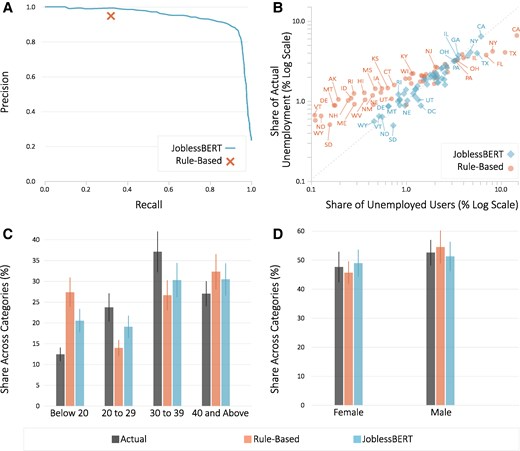
Social Media Is A Faster Source For Unemployment Data Than Government

Government unemployment data today are what Nielsen TV ratings were decades ago - a flawed metric...
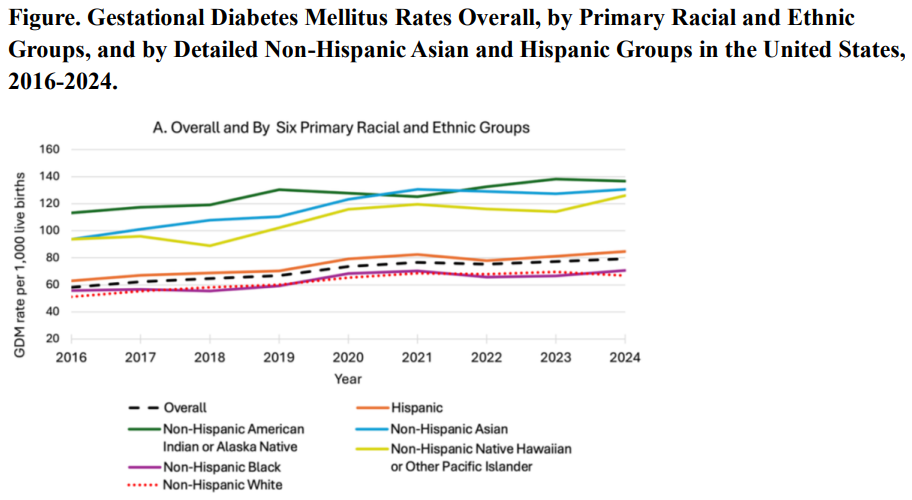
Gestational Diabetes Up 36% In The Last Decade - But Black Women Are Healthiest

Gestational diabetes, a form of glucose intolerance during pregnancy, occurs primarily in women...
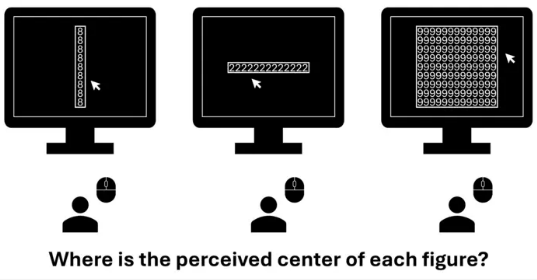
Object-Based Processing: Numbers Confuse How We Perceive Spaces

Researchers recently studied the relationship between numerical information in our vision, and...
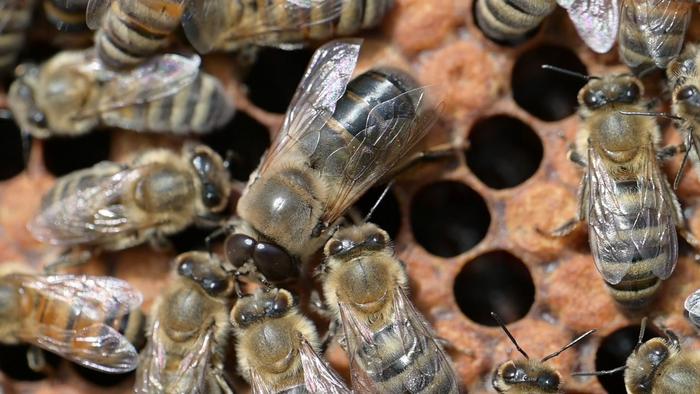
Males Are Genetically Wired To Beg Females For Food

Bees have the reputation of being incredibly organized and spending their days making sure our...

User picture.
News StaffRSS Feed of this column.

News Releases From All Over The World, Right To You... Read More »

Blogroll

Cracks in the icy surface of Saturn's moon Enceladus open and close daily under the pull of Saturn's gravity, according to new calculations by NASA-sponsored researchers.

"Tides generated by Saturn's gravity could control the timing of eruptions from cracks in the southern hemisphere of Enceladus," said Dr. Terry Hurford of NASA's Goddard Space Flight Center, Greenbelt, Md. Hurford is lead author of a paper on this research appearing in Nature May 17.

Chemical "relaxers" used to straighten hair are not associated with an increased risk of developing breast cancer among African-American women, say researchers who followed 48,167 Black Women's Health Study participants.

In the May issue of Cancer Epidemiology, Biomarkers & Prevention, researchers from Boston University and Howard University Cancer Center found no increase in breast cancer risk due to the type of hair relaxer used or the frequency and duration of use. Women who used relaxers seven or more times a year over a 20 year span or longer had the same risk as women who used the chemicals for less than a year, researchers say.

Multidrug-resistant strains of the Acinetobacter calcoaceticus-baumannii complex have been infecting injured soldiers treated in US military hospitals in Iraq. US soldiers in Iraq do not carry the bacteria responsible for these difficult-to-treat wound infections.

Investigator Matthew E. Griffith, MD, (Brooke Army Medical Center at Fort Sam Houston, San Antonio, Texas) and colleagues found that drug-resistant strains of Acinetobacter calcoaceticus-baumannii complex are not present on the skin of uninjured soldiers in Iraq, as had been expected.

Free will and true spontaneity exist … in fruit flies. This is what scientists report in a groundbreaking study in the May 16, 2007 issue of the open-access journal PLoS ONE.

"Animals and especially insects are usually seen as complex robots which only respond to external stimuli," says senior author Björn Brembs from the Free University Berlin. They are assumed to be input-output devices. "When scientists observe animals responding differently even to the same external stimuli, they attribute this variability to random errors in a complex brain."

A gene thought to be essential in helping chemotherapy kill cancer cells, may actually help them thrive. In a new study of chemo patients, scientists at the Georgia Institute of Technology and the Ovarian Cancer Institute found that 70 percent of subjects whose tumors had mutations in the gene p53 were still alive after five years. Patients with normal p53 displayed only a 30 percent survival rate. The findings raise the possibility of a new strategy for fighting cancer - namely, developing drugs to disable the functioning of this gene in the tumors of patients undergoing chemotherapy.


Dark stains indicated that the gene p53 is mutated in these ovarian cancer cells.

Tropical deforestation is the source of nearly a fifth of annual, human-induced emissions of heat-trapping gases to the atmosphere. During droughts, emissions from tropical rainforest fires can be double that. Halving deforestation rates by mid-century would account for 12 percent of total emissions reductions needed to keep concentrations of heat-trapping gases in the atmosphere at safe levels.

A policy mechanism is needed that rewards those tropical nations that succeed in lowering their emissions of heat-trapping gases from deforestation and forest degradation. This is a particularly urgent need since most of these emissions are associated with only modest economic gains, but provoke high losses of biodiversity.