
Banner
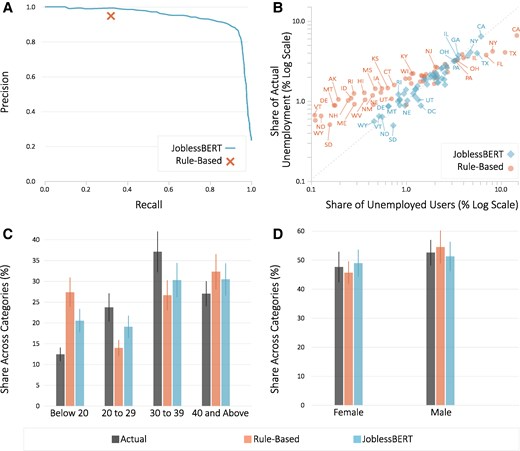
Social Media Is A Faster Source For Unemployment Data Than Government

Government unemployment data today are what Nielsen TV ratings were decades ago - a flawed metric...
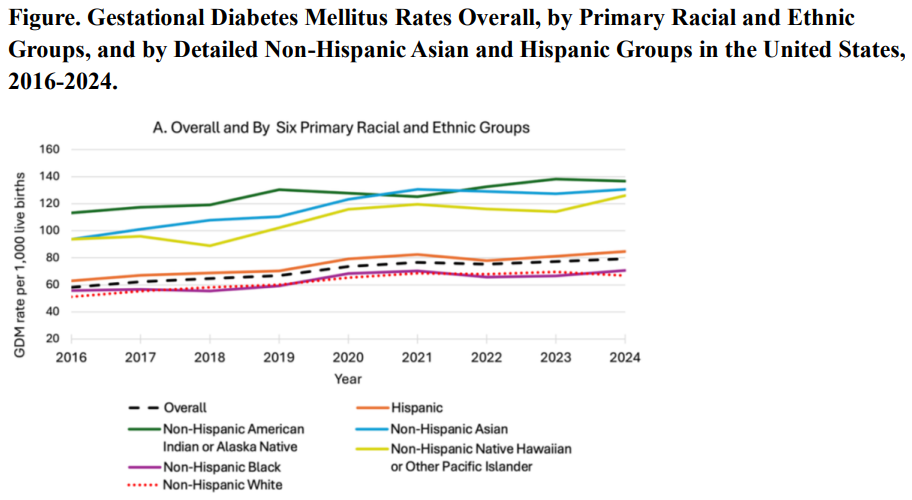
Gestational Diabetes Up 36% In The Last Decade - But Black Women Are Healthiest

Gestational diabetes, a form of glucose intolerance during pregnancy, occurs primarily in women...

Object-Based Processing: Numbers Confuse How We Perceive Spaces

Researchers recently studied the relationship between numerical information in our vision, and...

Males Are Genetically Wired To Beg Females For Food

Bees have the reputation of being incredibly organized and spending their days making sure our...

User picture.
News StaffRSS Feed of this column.

News Releases From All Over The World, Right To You... Read More »

Blogroll

Cultural differences between countries run right to the heart of government, thereby influencing technological innovation. This is reported in a comparative study by David Calef and Robert Goble published recently in the journal Policy Sciences(1). The authors outline efforts taken throughout the 1990s by both the US and French governments to adopt legislation fostering technological innovation to improve urban air quality by promoting clean vehicles, specifically electric vehicles (EVs). The study highlights the differences in approach and policy-making style by both governments and how this might have affected the final outcome.

Threatened coral reefs could be given a helping hand by establishing marine reserves, according to a research team led by the University of Exeter. Marine reserves have already proved to be a successful way of protecting marine life against commercial fishing. Marine reserves could also help in the recovery of corals, which are already suffering the effects of climate change and over-fishing.


Adult male of the queen parrotfish, Scarus vetula, one of the most important grazers on Caribbean coral reefs. Credit: Photograph courtesy of Evan D’Alessandro.

With the advent of more powerful and economical DNA sequencing technologies, gene discovery and characterization is transitioning from single-organism studies to revealing the potential biotechnology applications embedded in communities of microbial genomes, or metagenomes. The field of metagenomics is still in its infancy -- the equivalent of the early days of the California Gold Rush, with labs vying to stake their claim.

Amidst the prospecting, the call has been issued for methods to separate fool's gold from the real nuggets. Such a gold standard has now been provided through work led by the U.S. Department of Energy Joint Genome Institute (DOE JGI) with colleagues from Oak Ridge National Laboratory and IBM's T.J. Watson Research Center.

Researchers observing wild chimpanzees in Uganda have discovered repeated instances of a mysterious and poorly understood behavior: female-led infanticide. The findings, reported by Simon Townsend, Katie Slocombe and colleagues of the University of St. Andrews, Scotland, and the Budongo Forest Project, Uganda, appear in the May 15th issue of the journal Current Biology, published by Cell Press.

Infanticide is known to occur in many primate species, but is generally thought of as a male trait. An exception in the realm of chimpanzee behavior was famously noted in the 1970s by Jane Goodall in her observations of Passion and Pom, a mother-daughter duo who cooperated in the killing and cannibalization of at least two infant offspring of other females.

Human beings are directly responsible for more than 110,000 chemical substances which have been generated since the Industrial Revolution.

Every year, we "invent" more than 2,000 new substances, most of them contaminants, which are emitted into the environment and which are consequently present in food, air, soil and water. Nonetheless, human beings are also victims of these emissions, and involuntarily (what is known in this scientific field as "inadvertent exposure"), every day humans ingest many of these substances which cannot be assimilated by our body, and are accumulated in the fatty parts of our tissues.

Food producers in developing countries still need to make many improvements before they can compete effectively on the world market. This is the conclusion from researchers at Wageningen University after their 4-year study. They studied similar production chains in various tropical areas and recorded their findings in a book: ´Tropical food chains, Governance regimes for quality management’.




