
Banner
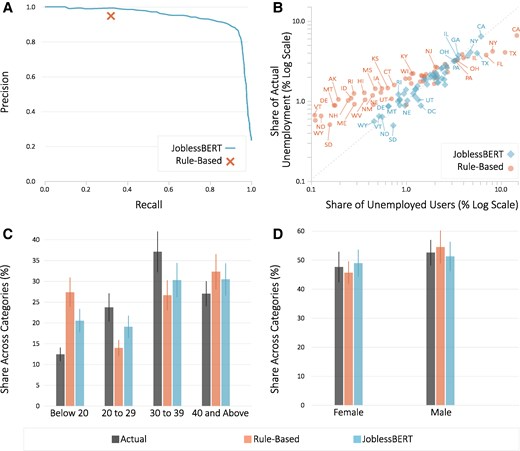
Social Media Is A Faster Source For Unemployment Data Than Government

Government unemployment data today are what Nielsen TV ratings were decades ago - a flawed metric...

Gestational Diabetes Up 36% In The Last Decade - But Black Women Are Healthiest

Gestational diabetes, a form of glucose intolerance during pregnancy, occurs primarily in women...
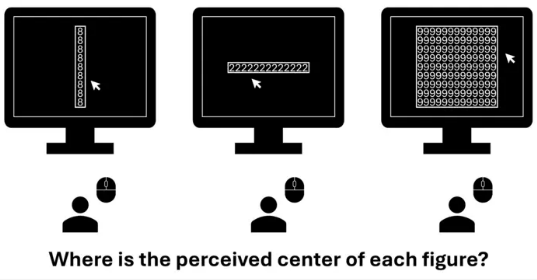
Object-Based Processing: Numbers Confuse How We Perceive Spaces

Researchers recently studied the relationship between numerical information in our vision, and...
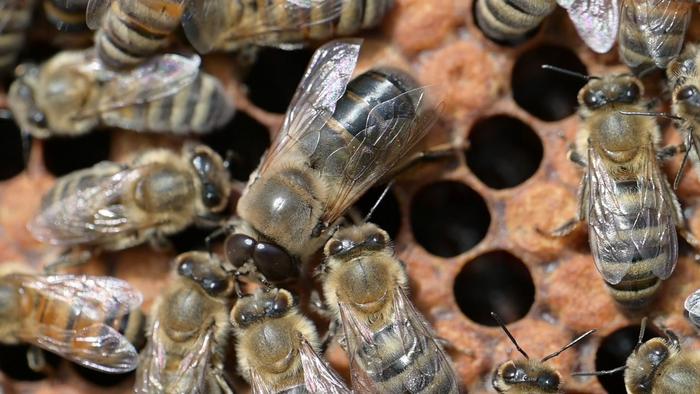
Males Are Genetically Wired To Beg Females For Food

Bees have the reputation of being incredibly organized and spending their days making sure our...

User picture.
News StaffRSS Feed of this column.

News Releases From All Over The World, Right To You... Read More »

Blogroll

A project by University of Wisconsin-Madison researchers has come one step closer to making fusion energy possible.

The research team, headed by electrical and computer engineering Professor David Anderson and research assistant John Canik, recently proved that the Helically Symmetric eXperiment (HSX), an odd-looking magnetic plasma chamber called a stellarator, can overcome a major barrier in plasma research, in which stellarators lose too much energy to reach the high temperatures needed for fusion.


Helically Symmetric Experiment

The first detailed images of an elusive drug target on the outer wall of bacteria may provide scientists with enough new information to aid design of novel antibiotics. The drugs are much needed to treat deadly infections initiated by Staphylococcus aureus and other bacterial pathogens.

The research team, led by Natalie Strynadka, a Howard Hughes Medical Institute (HHMI) international research scholar at the University of British Columbia in Vancouver, Canada, published its findings in the March 9, 2007, issue of the journal Science.


The image shows a substrate based inhibitor in the GT region (blue) of the PBP2 enzyme that blocks bacterial cell wall synthesis.

High performance schools integrate the best in today's design strategies and building technologies. Even better, they make a difference in the way children learn. Research has shown that better buildings produce better student performance, reduce operating costs and increase average daily attendance. They also are more likely to maintain teacher satisfaction and retention and reduce liability exposure.

Deane Evans, FAIA, executive director of the Center for Architecture and Building Science Research at New Jersey Institute of Technology (NJIT), numbers among the nation's top boosters for high-performance schools.

Cuttlefish are well-known masters of disguise who use highly developed camouflage tactics to blend in almost instantaneously with their surroundings. These relatives of octopuses and squid are part of a class of animals called cephalopods and are found in marine habitats worldwide. Cephalopods use camouflage to change their appearance with a speed and diversity unparalleled in the animal kingdom, however there is no documentation to date that they use their diverse camouflage repertoire at night.

A paradigm shift in medical education is needed, one with more emphasis on training future physicians to enhance their empathy skills and to learn to view patients as persons, not just cases, a medical education specialist at Jefferson Medical College says.

"If we want to train physicians with more empathy, then education must shift from emphasizing only the biomedical to also providing a biopsychosocial framework, as well and a more complete picture of patients as persons," says Mohammadreza Hojat, Ph.D., research professor of psychiatry and human behavior at Jefferson Medical College of Thomas Jefferson University in Philadelphia.

According to Dr.

Researchers at the University of Pennsylvania Schools of Medicine and Veterinary Medicine have determined a way to pre-screen cancer patients to see if they are suitable candidates for proteasome inhibitors, a promising class of anti-cancer drugs. They propose to test for p53, a well-known tumor-suppressor protein that is broken down by cellular machinery called proteasomes. This study appears online in the journal Blood, in advance of print publication in June 2007.

In cancer patients whose tumors do not produce p53, proteasome inhibitors might be ineffective. This patient group could be spared unnecessary treatment with possible harmful side effects.


