
Banner
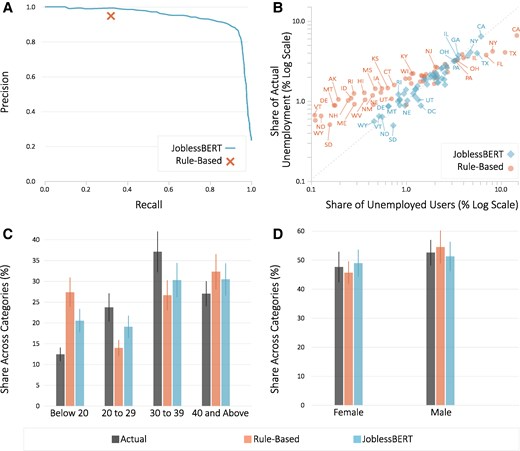
Social Media Is A Faster Source For Unemployment Data Than Government

Government unemployment data today are what Nielsen TV ratings were decades ago - a flawed metric...
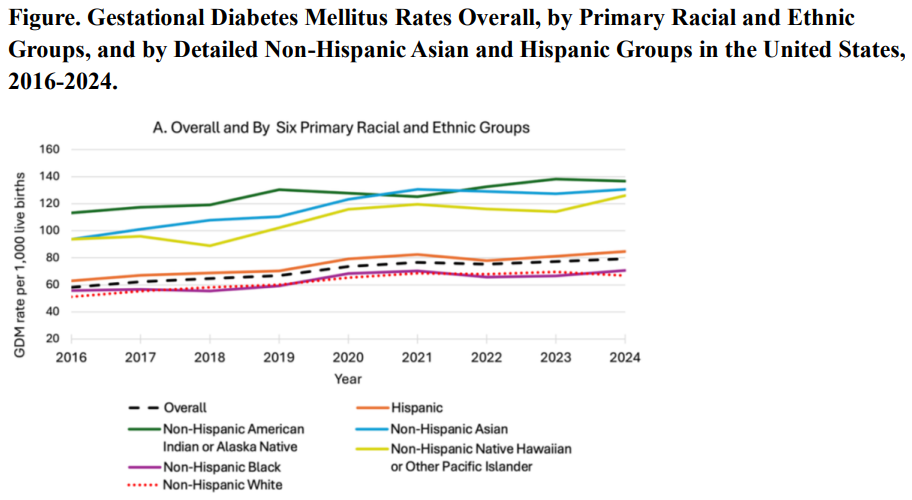
Gestational Diabetes Up 36% In The Last Decade - But Black Women Are Healthiest

Gestational diabetes, a form of glucose intolerance during pregnancy, occurs primarily in women...
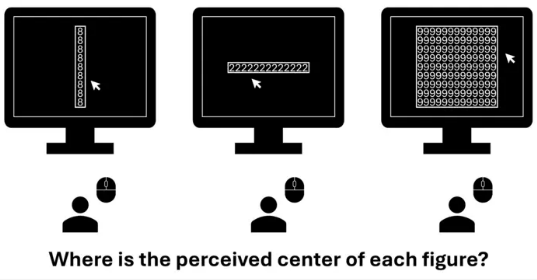
Object-Based Processing: Numbers Confuse How We Perceive Spaces

Researchers recently studied the relationship between numerical information in our vision, and...
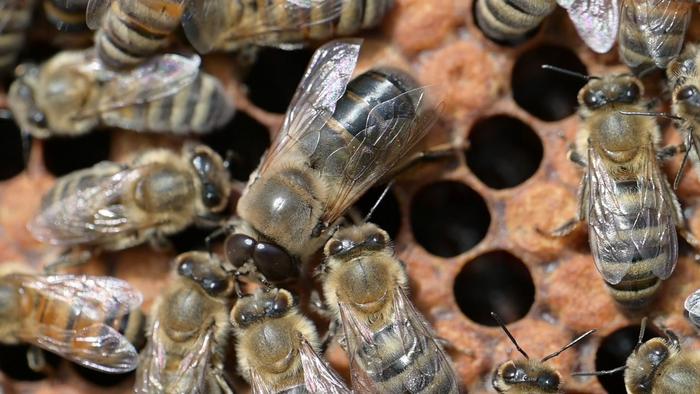
Males Are Genetically Wired To Beg Females For Food

Bees have the reputation of being incredibly organized and spending their days making sure our...

User picture.
News StaffRSS Feed of this column.

News Releases From All Over The World, Right To You... Read More »

Blogroll

Could you survive a day like Jack Bauer has on the Fox television show "24?" Maybe not, and it might not be just because you lack counter-terrorism training.

People are known to differ markedly in their response to sleep deprivation, but the biological underpinnings of these differences have remained difficult to identify. Researchers have now found that a genetic difference in a so-called clock gene, PERIOD3, makes some people particularly sensitive to the effects of sleep deprivation. The findings, reported by Antoine Viola, Derk-Jan Dijk, and colleagues at the University of Surrey's Sleep Research Center, appear online this week in the journal Current Biology.

Let’s say a college student enters a classroom to take a test. She probably already has an idea how she will do—knowledge available before she actually takes out a pencil. But do animals possess the same ability to think about what they know or don’t know?

A new study by researchers from the University of Georgia, just published in the journal Current Biology, shows that laboratory rats do.

University College London researchers have found the first physiological evidence that invisible subliminal images do attract the brain's attention on a subconscious level. The wider implication for the study, published in Current Biology, is that techniques such as subliminal advertising, now banned in the UK but still legal in the USA, certainly do leave their mark on the brain.

Using fMRI, the study looked at whether an image you aren't aware of ¬– but one that reaches the retina – has an impact on brain activity in the primary visual cortex, part of the occipital lobe. Subjects' brains did respond to the object even when they were not conscious of having seen it.

A protein known as the "master watchman of the genome" for its ability to guard against cancer-causing DNA damage has been found to provide an entirely different level of cancer protection: By prompting the skin to tan in response to ultraviolet light from the sun, it deters the development of melanoma skin cancer, the fastest-increasing form of cancer in the world.

In a study in the March 9 issue of the journal Cell, researchers at Dana-Farber Cancer Institute report that the protein, p53, is not only linked to skin tanning, but also may play a role in people's seemingly universal desire to be in the sun – an activity that, by promoting tanning, can reduce one's risk of melanoma.

Patients admitted to hospitals for ischemic stroke on weekends had a higher risk of dying than patients admitted during the week, in a Canadian study published in Stroke: Journal of the American Heart Association.

A "weekend effect" has been previously documented when looking at other conditions such as cancer and pulmonary embolism; however, little is known of its impact on stroke death.

"What is really novel in our work beyond the discovery of the 'weekend effect' on ischemic stroke is the subgroup analysis in other settings/characteristics and the identification of variables associated with the 'weekend effect,'" said Gustavo Saposnik, M.D., M.Sc., lead author of the study.

Two new studies by University of California, Berkeley, scientists highlight the amazing promiscuity of genes, which appear to shuttle frequently between organisms, especially more primitive organisms, and often in packs.

Such gene flow, dubbed horizontal gene transfer, has been seen frequently in bacteria, allowing pathogenic bacteria, for example, to share genes conferring resistance to a drug. Recently, two different species of plants were shown to share genes as well.





