
Banner
Social Media Is A Faster Source For Unemployment Data Than Government

Government unemployment data today are what Nielsen TV ratings were decades ago - a flawed metric...

Gestational Diabetes Up 36% In The Last Decade - But Black Women Are Healthiest

Gestational diabetes, a form of glucose intolerance during pregnancy, occurs primarily in women...
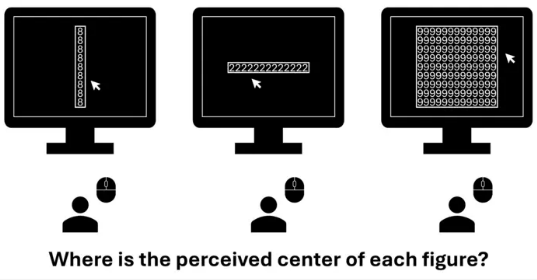
Object-Based Processing: Numbers Confuse How We Perceive Spaces

Researchers recently studied the relationship between numerical information in our vision, and...
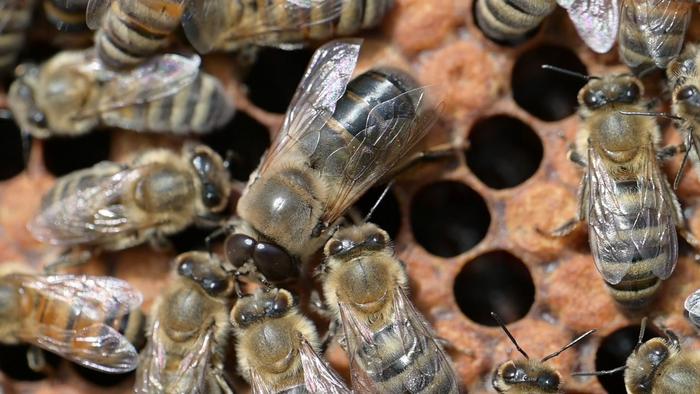
Males Are Genetically Wired To Beg Females For Food

Bees have the reputation of being incredibly organized and spending their days making sure our...

User picture.
News StaffRSS Feed of this column.

News Releases From All Over The World, Right To You... Read More »

Blogroll

Omega-3 fatty acids, found in fatty fish like salmon, are associated with increased grey matter volume in areas of the brain commonly linked to mood and behavior according to a University of Pittsburgh study.

Findings will be presented today by Sarah M. Conklin, Ph.D., postdoctoral scholar at the Cardiovascular Behavioral Medicine Program in the department of psychiatry at the University of Pittsburgh, at the American Psychosomatic Society’s Annual Meeting, held in Budapest, Hungary.

Animal research has shown that raising omega-3 intake leads to structural brain changes. In a separate study presented by Dr.

The response of tumors to anticancer drugs has been observed in real-time 3-D images using technology developed at Purdue University.

The new digital holographic imaging system uses a laser and a charged couple device, or CCD, the same microchip used in household digital cameras, to see inside tumor cells. The device also may have applications in drug development and medical imaging.

"This is the first time holography has been used to study the effects of a drug on living tissue," said David D. Nolte, the Purdue professor of physics who leads the team. "We have moved beyond achieving a 3-D image to using that image for a direct physiological measure of what the drug is doing inside cancer cells.

Genetic tests using blood samples already are used to diagnose some diseases and even personalize treatment.

Now it is possible to develop similar tests that reveal a person's potential to become dependent on nicotine or marijuana or have antisocial personality disorder, University of Iowa researchers report online March 6 in the American Journal of Medical Genetics.

Such tests would not dictate who would become substance dependent or have behavioral problems, as genes do not function in isolation but are influenced by other genes and environmental factors, said the study's lead author Robert Philibert, M.D., Ph.D., professor of psychiatry in the UI Roy J. and Lucille A. Carver College of Medicine.

Tooth-brushing may trigger seizures in certain people with epilepsy, and researchers say lesions in a specific part of the brain may be a cause in some people, according to an article published in the March 6, 2007, issue of Neurology®, the scientific journal of the American Academy of Neurology.

The article reviewed the cases of three adults with epilepsy who experienced seizures while brushing their teeth. Two of the adults reported some of their seizures occurred when they brushed certain areas of their mouth. The seizures varied from jerking and twitching of the face to salivating vigorously. One patient was unable to let go of the toothbrush during the seizure.

The seizures were confirmed by video monitoring.

Speed daters who romantically desired most of their potential partners were rejected quickly and overwhelmingly, according to a new Northwestern University study.

Conventional wisdom has long taught that one of the best ways to get someone to like you is to make it clear that you like them. Now researchers have discovered that this law of reciprocity is in dire need of an asterisk in the domain of romantic attraction.


To explore dynamics in the opening minutes of romantic attraction, researchers set up seven speed-dating sessions for students. Credit: Northwestern University.

Which navy commissioned the boat that sunk off the coast of Acre 200 years ago, which battles was it involved in and how did it end up at the bottom of the sea? The recent findings of marine archaeologists at the Leon Recanati Institute for Maritime Studies of the University of Haifa may provide the answers to these questions.

The ship, which sunk off the coast of Acre during a battle between Napoleon, the British navy and possibly the defenders of Acre, 200 years ago, is under excavation and its finds are beginning to shed light on Napoleon's attempt to conquer the Holy Land.


Cannon ball wedged into the ship's keel. Credit: Steve Breitstein