
Banner
Social Media Is A Faster Source For Unemployment Data Than Government

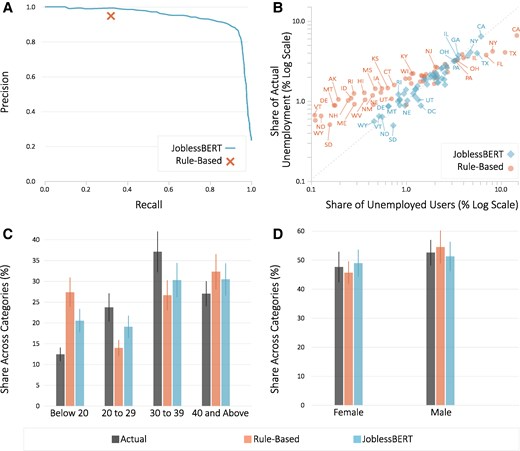
Government unemployment data today are what Nielsen TV ratings were decades ago - a flawed metric...
Gestational Diabetes Up 36% In The Last Decade - But Black Women Are Healthiest

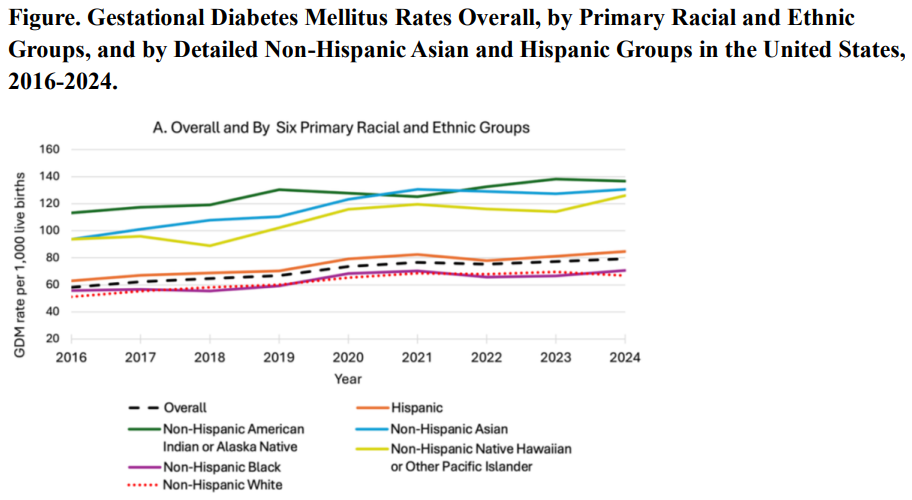
Gestational diabetes, a form of glucose intolerance during pregnancy, occurs primarily in women...

Object-Based Processing: Numbers Confuse How We Perceive Spaces

Researchers recently studied the relationship between numerical information in our vision, and...

Males Are Genetically Wired To Beg Females For Food

Bees have the reputation of being incredibly organized and spending their days making sure our...

User picture.
News StaffRSS Feed of this column.

News Releases From All Over The World, Right To You... Read More »

Blogroll

Chemotherapy has been linked to excessive mind wandering and an inability to concentrate. The condition, colloquially called 'chemo-brain,' has long been suspected.

A new University of British Columbia study says it is the first to explain why patients have difficulty paying attention. Breast cancer survivors were asked to complete a set of tasks while researchers in the Departments of Psychology and Physical Therapy monitored their brain activity. What they found is that the minds of people with chemo-brain lack the ability for sustained focused thought.

When people hear the sound of footsteps or the drilling of a woodpecker, the rhythmic structure of the sounds is striking, says Michael Wehr, a professor of psychology at the University of Oregon, and even when the temporal structure of a sound is less obvious, as with human speech, the timing still conveys a variety of important information. 

Neurons in the brain use two different languages to encode information: temporal coding and rate coding.

Neurons are more independent than previously believed - a finding which has implications for a range of neurological disorders and how nerve cells in the brain generate the energy needed to function. 

The brain requires a tremendous amount of energy to do its job. While it only represents 2 percent of the body mass of the average adult human, the brain consumes an estimated 20 percent of body's energy supply. Unraveling precisely how the brain's cells - specifically, neurons - generate energy has significant implications for not only the understanding of basic biology, but also for neurological diseases which may be linked to too little, or too much, metabolism in the brain. 

A new study shows an "alarming rise" in the costs of drugs used to slow the progression of multiple sclerosis (MS) or reduce the frequency of attacks over the last 20 years.

Yet this increase occurred even as there was a substantial increase in the number of MS drugs in the marketplace, which would ordinarily lead to lower or stabilized costs for patients who use those drugs, especially for first-generation therapies.

The costs of MS drugs accelerated at rates 5X to 7X higher than prescription drug inflation and substantially higher than rates for drugs in a similar class between 1993 and 2013, the researchers report. Drug costs for several MS agents rose on average 20 to 30 percent per year over this time period. 

Stem cells cling to feeder cells as they grow in petri dishes and it has been thought that this attachment occurs because feeder cells serve as a support system, providing stems cells with essential nutrients.

A new study has discovered the trigger behind the most severe forms of cancer pain. Released in top journal Pain this month, the study points to TMPRSS2 as the culprit: a gene that is also responsible for some of the most aggressive forms of androgen-fueled cancers.

The work focused on cancers of the head and neck, which affect more than 550,000 people worldwide each year. Studies have shown that these types of cancers are the most painful, with sufferers experiencing pain that is immediate and localized, while pain treatment options are limited to opioid-family pharmaceuticals such as morphine.

Since the majority of head and neck cancer patients are men, the team investigate a genetic marker with a known correlation to prostate cancer - TMPRSS2.



