
Banner
Social Media Is A Faster Source For Unemployment Data Than Government

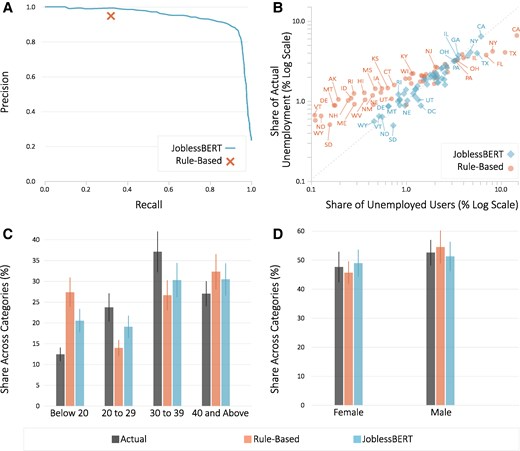
Government unemployment data today are what Nielsen TV ratings were decades ago - a flawed metric...
Gestational Diabetes Up 36% In The Last Decade - But Black Women Are Healthiest

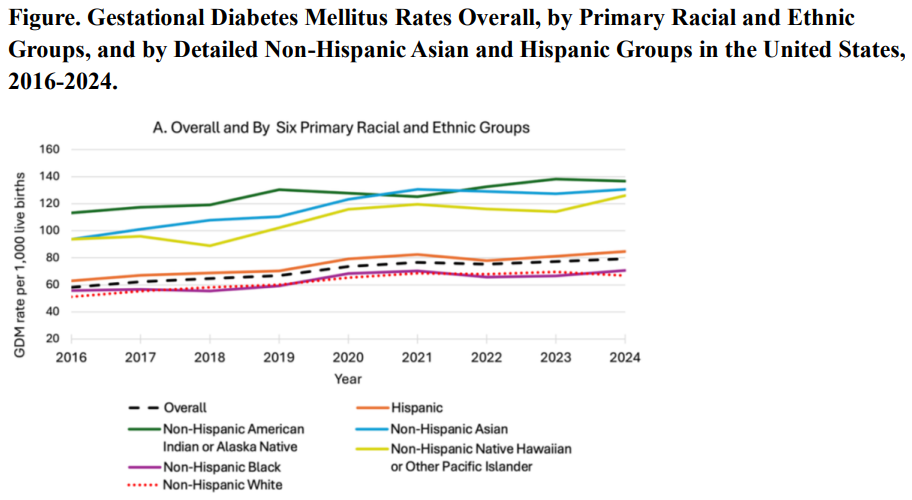
Gestational diabetes, a form of glucose intolerance during pregnancy, occurs primarily in women...
Object-Based Processing: Numbers Confuse How We Perceive Spaces

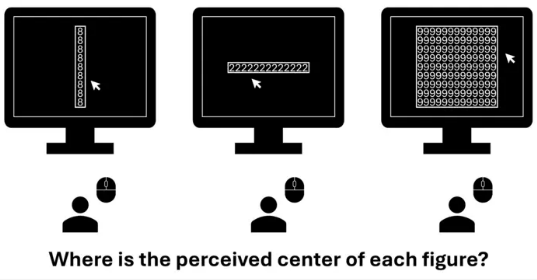
Researchers recently studied the relationship between numerical information in our vision, and...

Males Are Genetically Wired To Beg Females For Food

Bees have the reputation of being incredibly organized and spending their days making sure our...

User picture.
News StaffRSS Feed of this column.

News Releases From All Over The World, Right To You... Read More »

Blogroll

Pediatric research discoveries over the past 40 years have led to prevention and treatment strategies that have saved millions of lives worldwide and seven of the greatest research achievements were presented on Sunday, April 26 at the Pediatric Academic Societies annual meeting at the San Diego Convention Center. 

"Today, we often take these research discoveries for granted," said presenter Tina Cheng, MD, MPH, FAAP, chair of the American Academy of Pediatrics Committee on Pediatric Research. "Because of research and science in these seven areas, American children are healthier and safer today and will grow up to be healthier adults."

Researchers have identified a single, simple metric to guide antibiotic dosing that could bring an entire arsenal of first-line antibiotics back into the fight against drug-resistant pathogens.

A computer simulation created by Hannah Meredith, a biomedical engineering graduate fellow at Duke University, revealed that a regimen based on a pathogen's recovery time could eliminate an otherwise resistant strain of bacteria. In theory, a database of recovery times for bacterial and antibiotic combinations could allow first-line antibiotics to clear many resistant infections.

Work to create such a database is underway and early tests are confirming her model's predictions.

The introduction of abuse-deterrent OxyContin, coupled with the removal of propoxyphene from the US prescription marketplace, are getting the credit for decreasing opioid prescribing and overdoses in JAMA Internal Medicine.

Those two changes led to a 19 percent drop in prescription opioid supply that was mirrored by a 20 percent drop in prescription opioid overdose between August 2010 and December 2012. The drop in prescription opioid overdose was partially offset by an increase in overdose due to heroin, an illicit opioid.

Household pets can transmit infection to people, especially those with weak immune systems, young children, pregnant women and seniors, according to a new study. Health care providers and pet owners should be aware of this risk to prevent illness in vulnerable people.

Surveys suggest that the general public and people at high risk for pet-associated disease are not aware of the risks associated with high-risk pet practices or recommendations to reduce them; for example, 77% of households that obtained a new pet following a cancer diagnosis acquired a high-risk pet," states Dr. Jason Stull, assistant professor, Department of Veterinary Preventive Medicine, Ohio State University, Columbus, Ohio.

The immune-boosting properties of breast milk have long been known and experiments in mice are beginning to show another way how. A team of scientists led by Johns Hopkins pediatric surgeon-in-chief David Hackam, M.D., Ph.D., says their experiments reveal how breast milk works to ward off the development of necrotizing enterocolitis (NEC), a devastating intestinal disorder that affects 12 percent of premature babies and claims the lives of one in four of those who have it.

If affirmed in human studies, the experiments could pave the way to new preventive approaches to stave off NEC in premature babies and spark the development of treatments for those who develop the condition.

Following a first seizure, physicians should discuss with patients whether it is appropriate to prescribe medication to reduce risk of another seizure, according to new guidelines released at the latest American Academy of Neurology meeting.






