
Banner
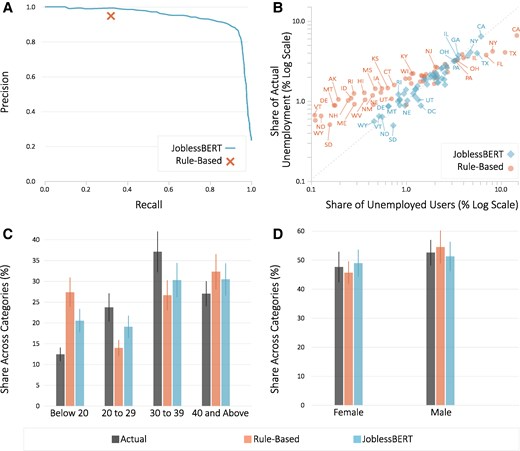
Social Media Is A Faster Source For Unemployment Data Than Government

Government unemployment data today are what Nielsen TV ratings were decades ago - a flawed metric...

Gestational Diabetes Up 36% In The Last Decade - But Black Women Are Healthiest

Gestational diabetes, a form of glucose intolerance during pregnancy, occurs primarily in women...
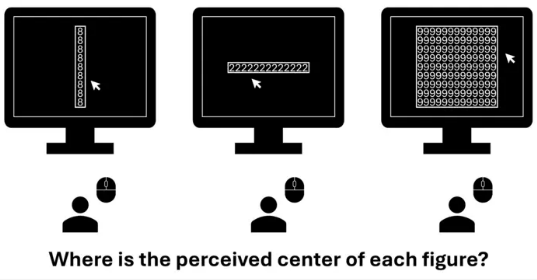
Object-Based Processing: Numbers Confuse How We Perceive Spaces

Researchers recently studied the relationship between numerical information in our vision, and...
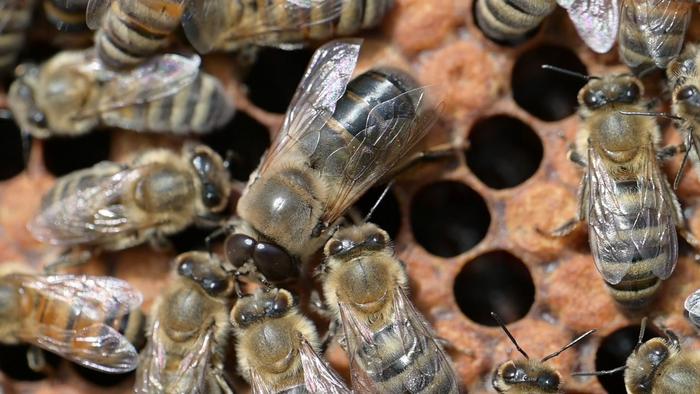
Males Are Genetically Wired To Beg Females For Food

Bees have the reputation of being incredibly organized and spending their days making sure our...

User picture.
News StaffRSS Feed of this column.

News Releases From All Over The World, Right To You... Read More »

Blogroll

Much of what we know about cancer and many modern medicines that treat it grow from experiments on cancer cells but it is difficult to maintain the integrity of cell lines due to contamination or simple mistakes such as mislabeling.
Later generations of a cell line may bear no resemblance to the original sample, potentially invalidating results of research performed on mistaken cells. For this reason, the National Cancer Institute maintains a library of 60 authenticated human cancer cell lines for the purposes of research, called the NCI-60.

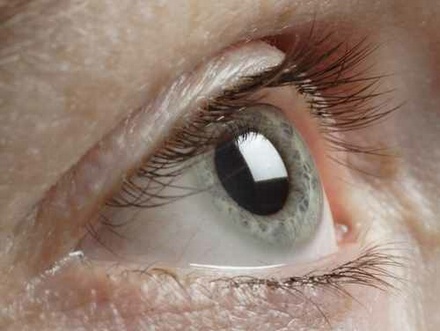
Researchers have solved a genetic mystery that has afflicted three unrelated families, and possibly others, for generations: The genetic basis for a variety of congenital eye malformations, including the complete absence of eyes. 

We can complain about the cost of American health care but that is the price for doctors caring too much. While in Holland doctors can just unilaterally make the decision to let a patient die, in the United States doctors will continue to recommend tests even when recommendations are that they should be done half as often.

Major depression comes with an unexpected metabolic signature, according to new findings.

Authors in search of genes that increase depression risk analyzed thousands of women. those with recurrent major depression and healthy controls, and found that many of the women with depression also had experienced adversity in childhood, including sexual abuse. 

The researchers noticed something rather unusual in the DNA. The samples taken from women with a history of stress-related depression contained more mitochondrial DNA than other samples.

"Our most notable finding is that the amount of mitochondrial DNA changes in response to stress," says Professor Jonathan Flint of the University of Oxford.

More than 100 drugs have been approved to treat cancer but predicting which ones will help a particular patient hasn't really been possible.

A new device may change that. It is an implantable device, about the size of the grain of rice, and can carry small doses of up to 30 different drugs. After implanting it in a tumor and letting the drugs diffuse into the tissue, researchers can measure how effectively each one kills the patient's cancer cells. Such a device could eliminate much of the guesswork now involved in choosing cancer treatments, says Oliver Jonas, a postdoc at MIT's Koch Institute for Integrative Cancer Research and lead author of the paper in Science Translational Medicine.

Everyone discusses ways to reduce carbon dioxide levels in the atmosphere (or not) but less considered is that there is a massive storehouse of carbon that has the potential to significantly alter the climate change picture. 

Ancient carbon, locked away in Arctic permafrost for thousands of years, could transformed into carbon dioxide and released into the atmosphere by warmth.




