Banner
Social Media Is A Faster Source For Unemployment Data Than Government

Government unemployment data today are what Nielsen TV ratings were decades ago - a flawed metric...

Gestational Diabetes Up 36% In The Last Decade - But Black Women Are Healthiest

Gestational diabetes, a form of glucose intolerance during pregnancy, occurs primarily in women...
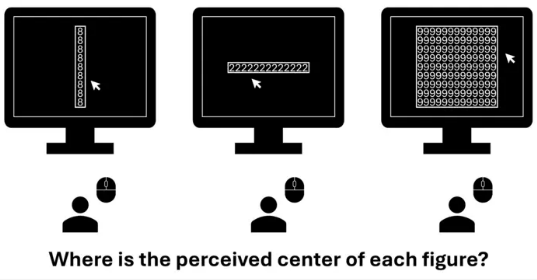
Object-Based Processing: Numbers Confuse How We Perceive Spaces

Researchers recently studied the relationship between numerical information in our vision, and...
Males Are Genetically Wired To Beg Females For Food

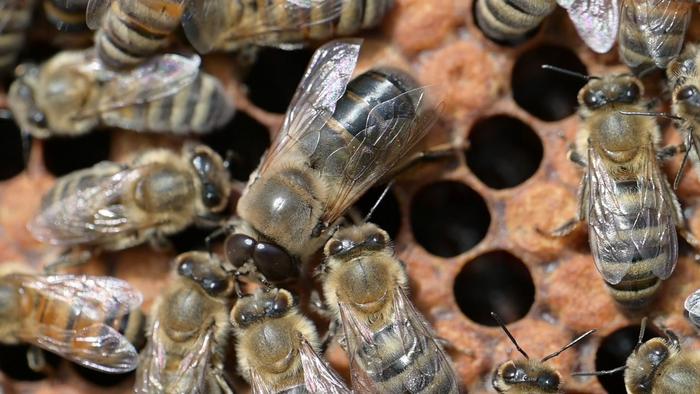
Bees have the reputation of being incredibly organized and spending their days making sure our...

User picture.
News StaffRSS Feed of this column.

News Releases From All Over The World, Right To You... Read More »

Blogroll

A study of disease dynamics in a California grassland has shed light on fundamental principles underlying the spread of pathogens among species, according to researchers at the University of California, Santa Cruz who measured the amount of disease on the leaves of plants in a meadow on campus.

They found that the amount of disease on each species depended on how common it was, as well as on the abundance of its close relatives. The results were a tight link between the structure of a plant community and the vulnerability of individual species to disease. In addition, when the researchers introduced novel plant species into the grassland, they were able to predict which ones would be most strongly affected by naturally occurring diseases. 

Researchers have determined that the eardrum evolved independently in mammals and diapsids - the taxonomic group that includes reptiles and birds. Published in Nature Communications, the work shows that the mammalian eardrum depends on lower jaw formation, while that of diapsids develops from the upper jaw. Significantly, the researchers used techniques borrowed from developmental biology to answer a question that has intrigued paleontologists for years.

Nerve cells come in very different shapes and a new paper reveals why, in insects, the cell body is usually located at the end of a separate extension.

Nerve cells follow a functional design: They receive input signals over more or less ramified cell branches (dendrites), which they forward to other nerve cells along an elongated, thin cell process (axon). The cell body contains the nucleus with genetic material and other components of the machinery that keeps the neuron alive.

Its location differs significantly between animal classes: in mammals, the cell body is usually found at a central position between the dendrites and the axon, while in insects, it is often "outsourced" to the end of a separate prolongation.

Stegosaurus, a large, herbivorous dinosaur with two staggered rows of bony plates along its back and two pairs of spikes at the end of its tail, lived roughly 150 million years ago during the Late Jurassic in the western United States. Some individuals had wide plates, some had tall ones, with the wide plates being up to 45 percent larger overall than the tall plates.

According to a new study, the tall-plated Stegosaurus and the wide-plate Stegosaurus were not two distinct species, nor were they individuals of different age - they were actually males and females.

The famous Vitruvian Man, drawn by Leonardo da Vinci, pictures the canon of human's proportions - though we did not become bilaterally symmetric all at once.

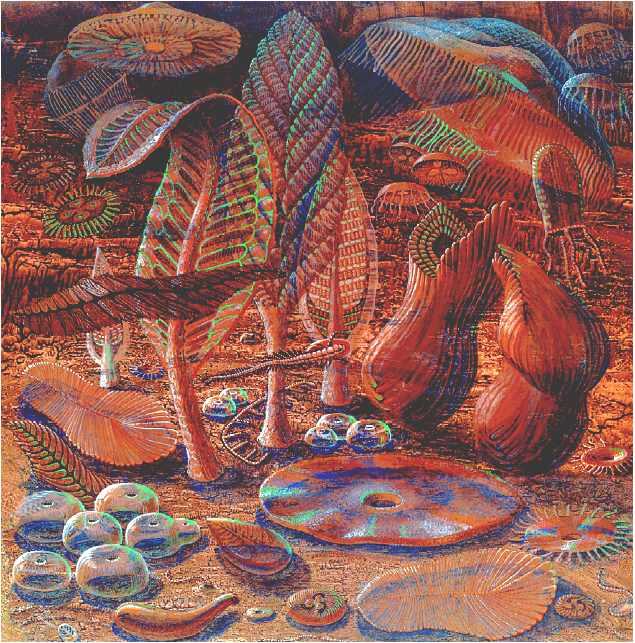
There are two main points of view on the last common bilaterian ancestor, its appearance and the course of evolution. It is likely that the ancestor of Bilateria appeared at the end of the Vendian period which is the last geological period of the Neoproterozoic Era preceding the Cambrian Period. It lasted from approximately 635 to 541±1 million years ago. The organisms, which lived in the Vendian sea, were mostly radially symmetrical creatures. Some of them were floating in the water, while others were crawling along the bottom or leading sessile benthic life.
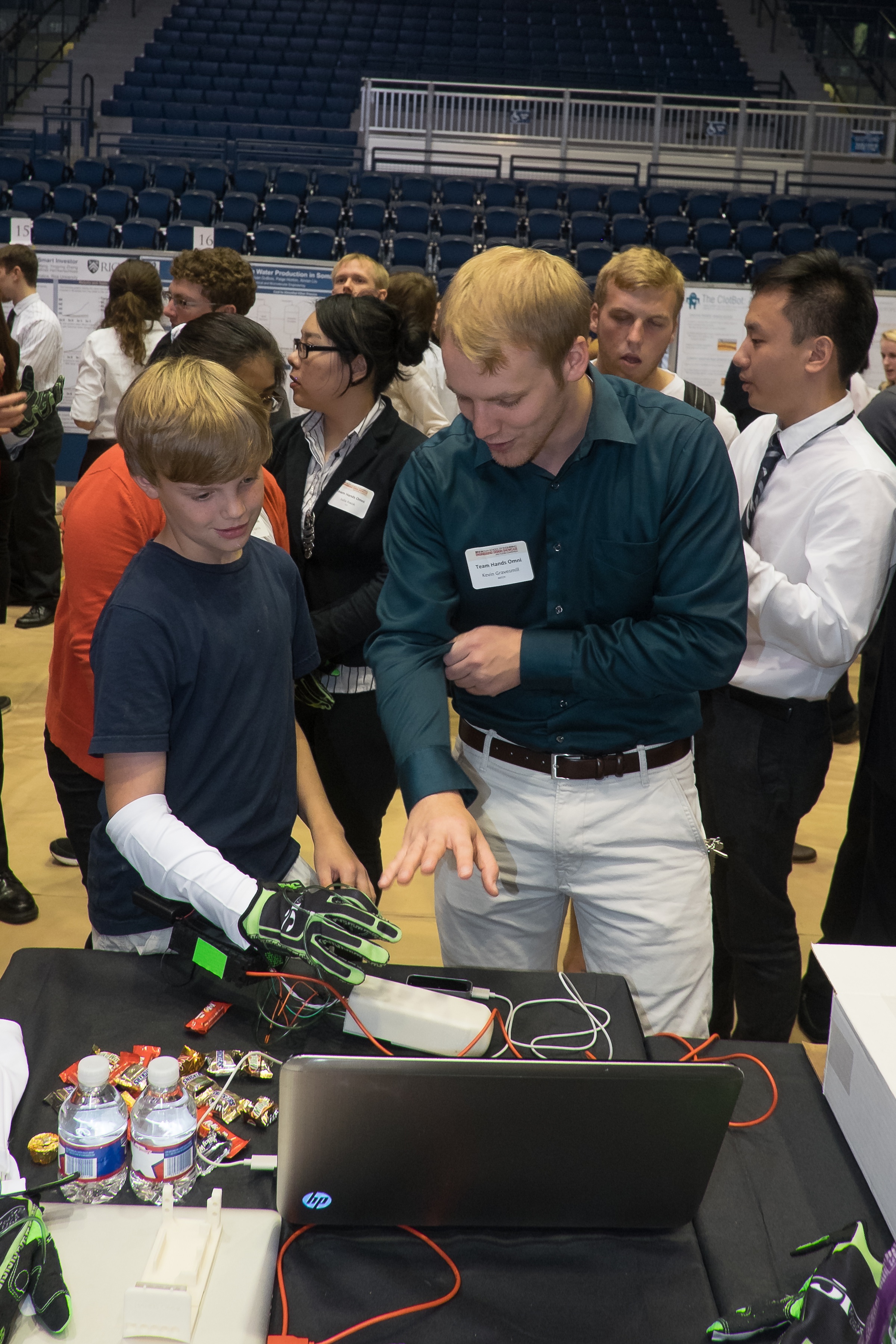
Forget vibrating joysticks on your Xbox, Rice University engineers have invented a glove that allows a user to feel what they're touching while gaming.

The Hands Omni provides a way for gamers and others to feel the environments they inhabit through the likes of three-dimensional heads-ups displays. The prototype glove, developed with Houston sponsor Virtuix and introduced at the George R. Brown School of Engineering Design Showcase, is intended to provide next-generation force feedback to the fingertips as players touch, press or grip objects in the virtual world. The project won the "People's Choice" award at Rice's recent Engineering Design Showcase.