Banner
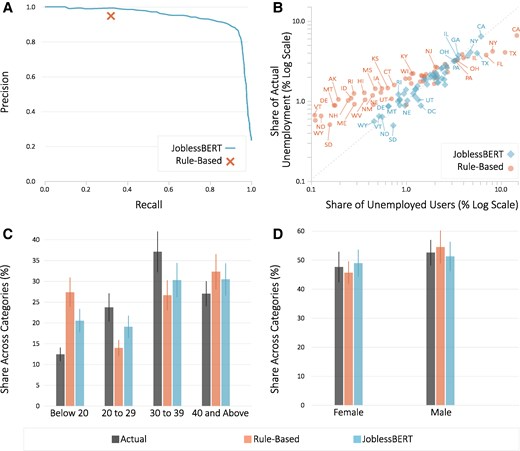
Social Media Is A Faster Source For Unemployment Data Than Government

Government unemployment data today are what Nielsen TV ratings were decades ago - a flawed metric...
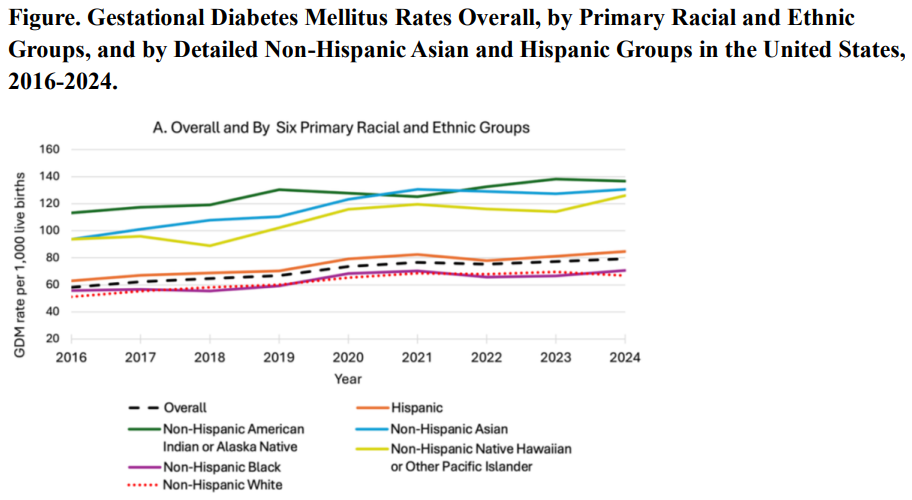
Gestational Diabetes Up 36% In The Last Decade - But Black Women Are Healthiest

Gestational diabetes, a form of glucose intolerance during pregnancy, occurs primarily in women...

Object-Based Processing: Numbers Confuse How We Perceive Spaces

Researchers recently studied the relationship between numerical information in our vision, and...
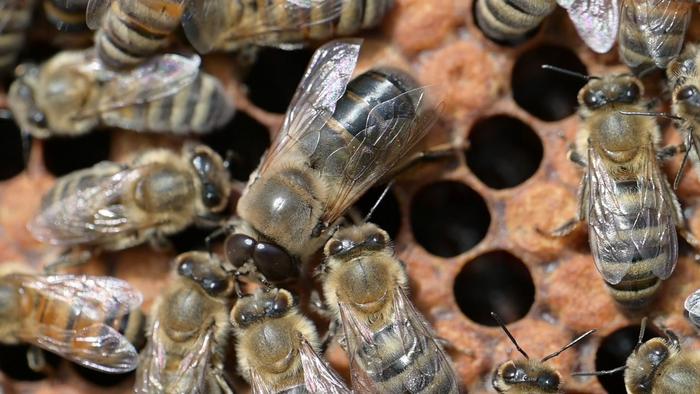
Males Are Genetically Wired To Beg Females For Food

Bees have the reputation of being incredibly organized and spending their days making sure our...

User picture.
News StaffRSS Feed of this column.

News Releases From All Over The World, Right To You... Read More »

Blogroll

In the developed world, we are aging rapidly. People age 85 and older make up the fastest growing age group in the United States and in other countries that trend will also increase.

Aging and aging well are not always the same thing, though, and issues like Alzheimer's are a concern. A new study of 256 people with an average age of 87 who were free of memory and thinking problems at the start of the study concluded that who participate in arts and craft activities and who socialize may delay the development in very old age of the thinking and memory problems that often lead to dementia.
Children who play a game together have a stronger connection than kids who play the same game but not in a synchronous way, according to a new paper. 

The authors assert that a physical activity performed in unison helps children feel more positively toward each other and could perhaps increase their empathy. 

"Synchrony is like a glue that brings people together -- it's a magical connector for people," said lead author Tal-Chen Rabinowitch, a postdoctoral fellow at the Institute for Learning&Brain Sciences at the University of Washington.
An analysis of 22 years of data on hawksbill turtles in the Arnavons, located in the Solomon Islands, shows signs of recovery after 150 years of excessive hunting by natives.

The data included both beach counts and turtle tagging data and show a 200% increase from record lows in the 1990s, when the turtles had been hunted to the brink of extinction. Many of the hawksbill turtles that nest at the Arnavon Community Marine Conservation Area forage in distant Australian waters, and nesting on the Arnavons occurs throughout the year, with peak nesting activity coinciding with the austral winter. 


Credit: The Nature Conservancy

A new review of existing studies suggests a gradual, prolonged release of greenhouse gases from permafrost soils in Arctic and sub-Arctic regions.

That sounds like bad news, and it is, but the good news is it actually means more time to adjust to ways to reduce emissions and prevent it from happening at all.  In the original global warming scenarios, climate scientists contended that as permafrost thawed, carbon would be released in a big “bomb” and significantly accelerate climate warming.  But a gradual case means more time to fix things. 
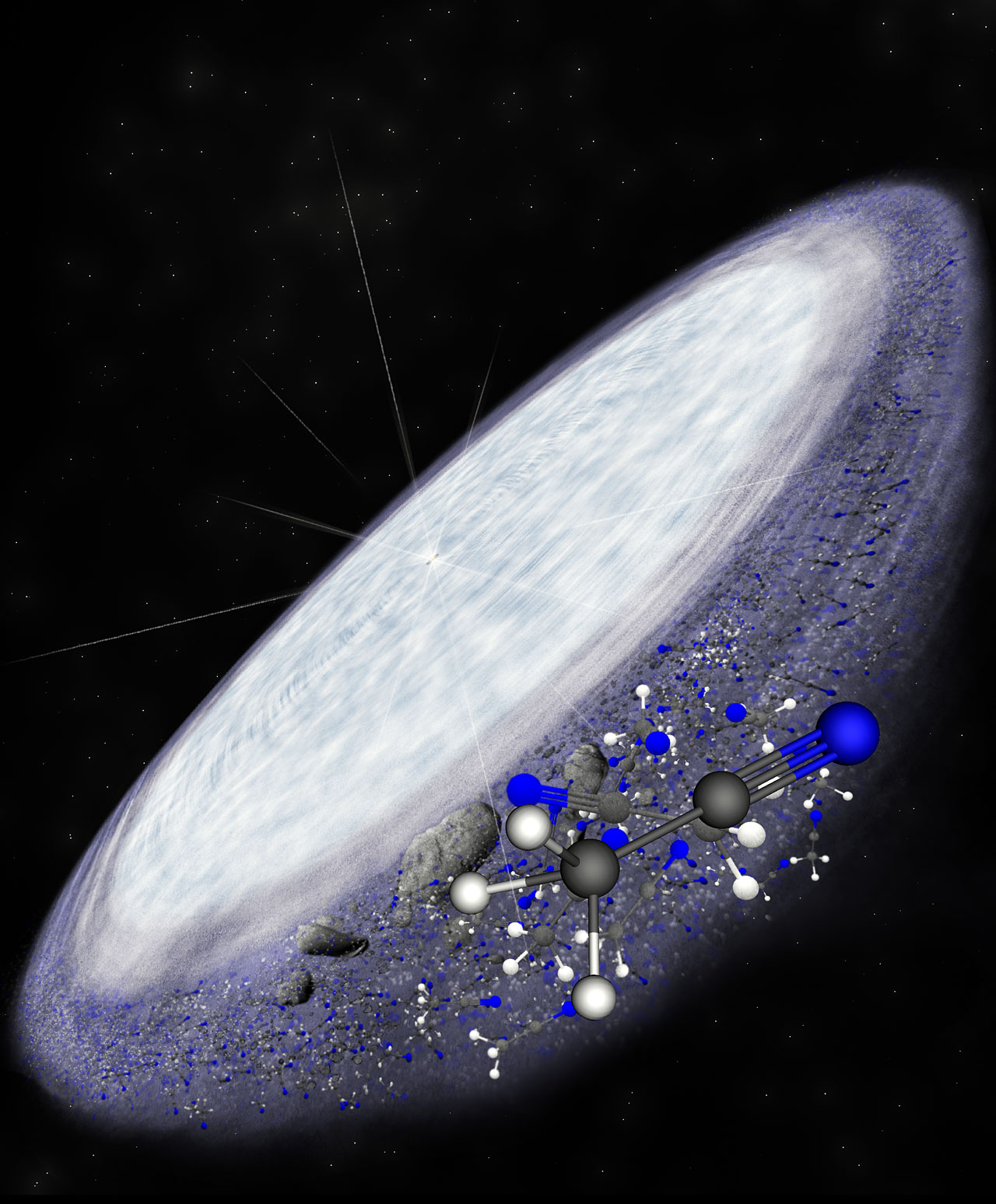
Are the building blocks of life universal?

Astronomers have detected the presence of complex organic molecules, the building blocks of life, in a protoplanetary disc surrounding a young star named MWC 480. That means the conditions that spawned the Earth and Sun are not unique in the Universe. 

The use of asbestos continues to increase in Asia despite clear health hazards. A recent Respirology review notes that with approximately 4.3 billion people and a growing population, Asia will likely see a large crop of asbestos-related lung diseases in the next few decades. Some of the cases will be benign, but it is likely that there will be many cases of mesothelioma and lung cancer.

Efforts are needed to improve the recognition and diagnosis of asbestos-related lung diseases, and government and non-government groups must cooperate to take steps to prevent them.

Citation: Su Lyn Leong, Rizka Zainudin, Laurie Kazan-Allen, Bruce W. Robinson, 'Asbestos in Asia', Respirology DOI: 10.1111/resp.12517