Banner
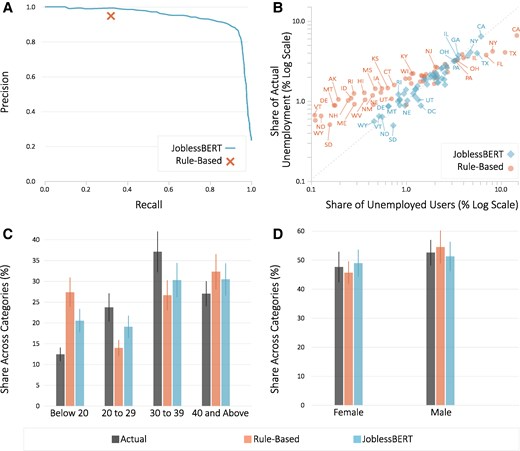
Social Media Is A Faster Source For Unemployment Data Than Government

Government unemployment data today are what Nielsen TV ratings were decades ago - a flawed metric...
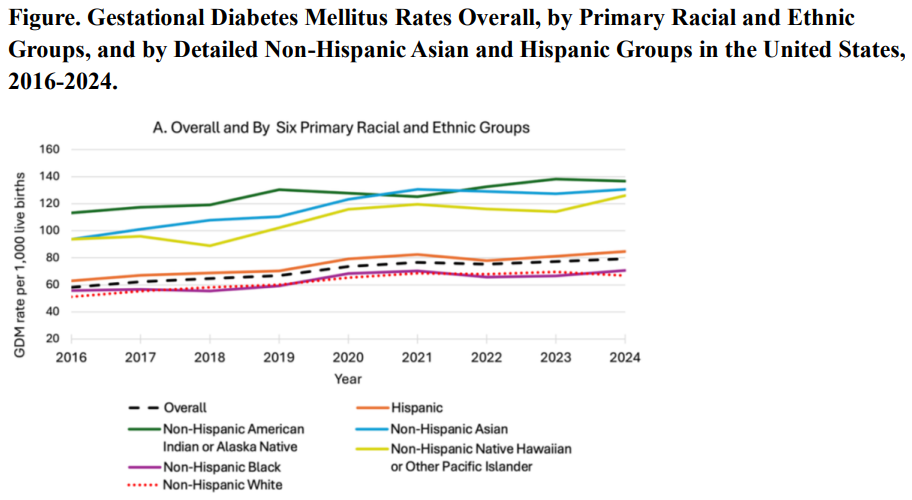
Gestational Diabetes Up 36% In The Last Decade - But Black Women Are Healthiest

Gestational diabetes, a form of glucose intolerance during pregnancy, occurs primarily in women...
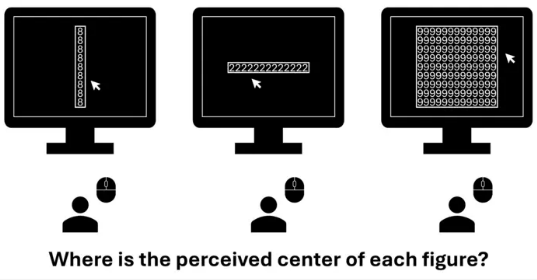
Object-Based Processing: Numbers Confuse How We Perceive Spaces

Researchers recently studied the relationship between numerical information in our vision, and...
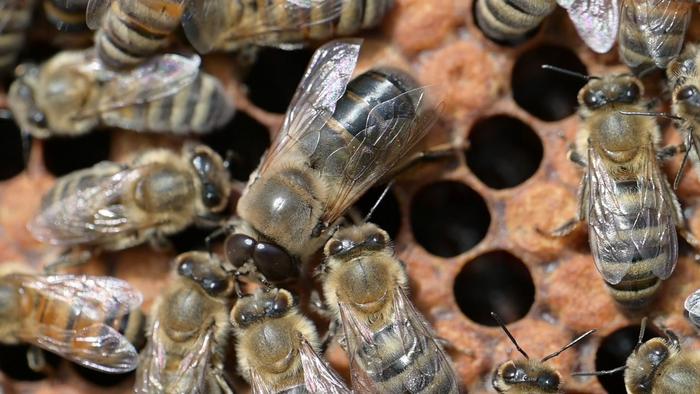
Males Are Genetically Wired To Beg Females For Food

Bees have the reputation of being incredibly organized and spending their days making sure our...

User picture.
News StaffRSS Feed of this column.

News Releases From All Over The World, Right To You... Read More »

Blogroll

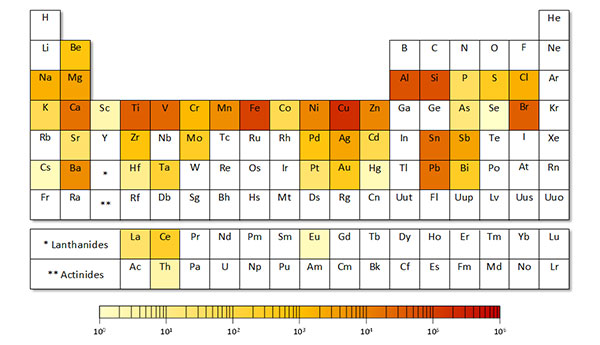
In a new paper, a team of Yale researchers assesses the "criticality" of all 62 metals on the Periodic Table of Elements, providing key insights into which materials might become more difficult to find in the coming decades, which ones will exact the highest environmental costs -- and which ones simply cannot be replaced as components of vital technologies.

During the past decade, sporadic shortages of metals needed to create a wide range of high-tech products have inspired attempts to quantify the criticality of these materials, defined by the relative importance of the elements' uses and their global availability.

Just as crocus and daffodil blossoms signal the start of a warmer season on land, a similar "greening" event--a massive bloom of microscopic plants, or phytoplankton--unfolds each spring in the North Atlantic Ocean from Bermuda to the Arctic.

Epidemiologists believe they have identified a unique pattern of immune molecules in the cerebrospinal fluid of people with myalgic encephalomyelitis/chronic fatigue syndrome (ME/CFS) that provides insights into the basis for cognitive dysfunction--frequently described by patients as "brain fog"--as well as new hope for improvements in diagnosis and treatment.

Even during a good year, soybean farmers nationwide are, in essence, taking a loss. That's because changes in weather patterns have been eating into their profits and taking quite a bite: $11 billion over the past 20 years.

This massive loss has been hidden, in effect, by the impressive annual growth seen in soybean yields thanks to other factors. But that growth could have been 30 percent higher if weather variations resulting from climate change had not occurred, according to a study by University of Wisconsin-Madison agronomists published last month in Nature Plants.

Researchers have discovered that the inherent 'handedness' of molecular structures directs the behavior of individual cells and confers them the ability to sense the difference between left and right.

Our bodies are made up of hundreds of different types of cells, each of which performs a unique and highly specialized task. Traditionally, the ability of cells to specialize in a given function was attributed to its genetic code. However, it is becoming increasingly clear that cells do not simply live by a set of inherited or pre-determined instructions. Instead, 'cellular decisions' are made dynamically, much like humans make decisions based on the information provided to us by our senses.

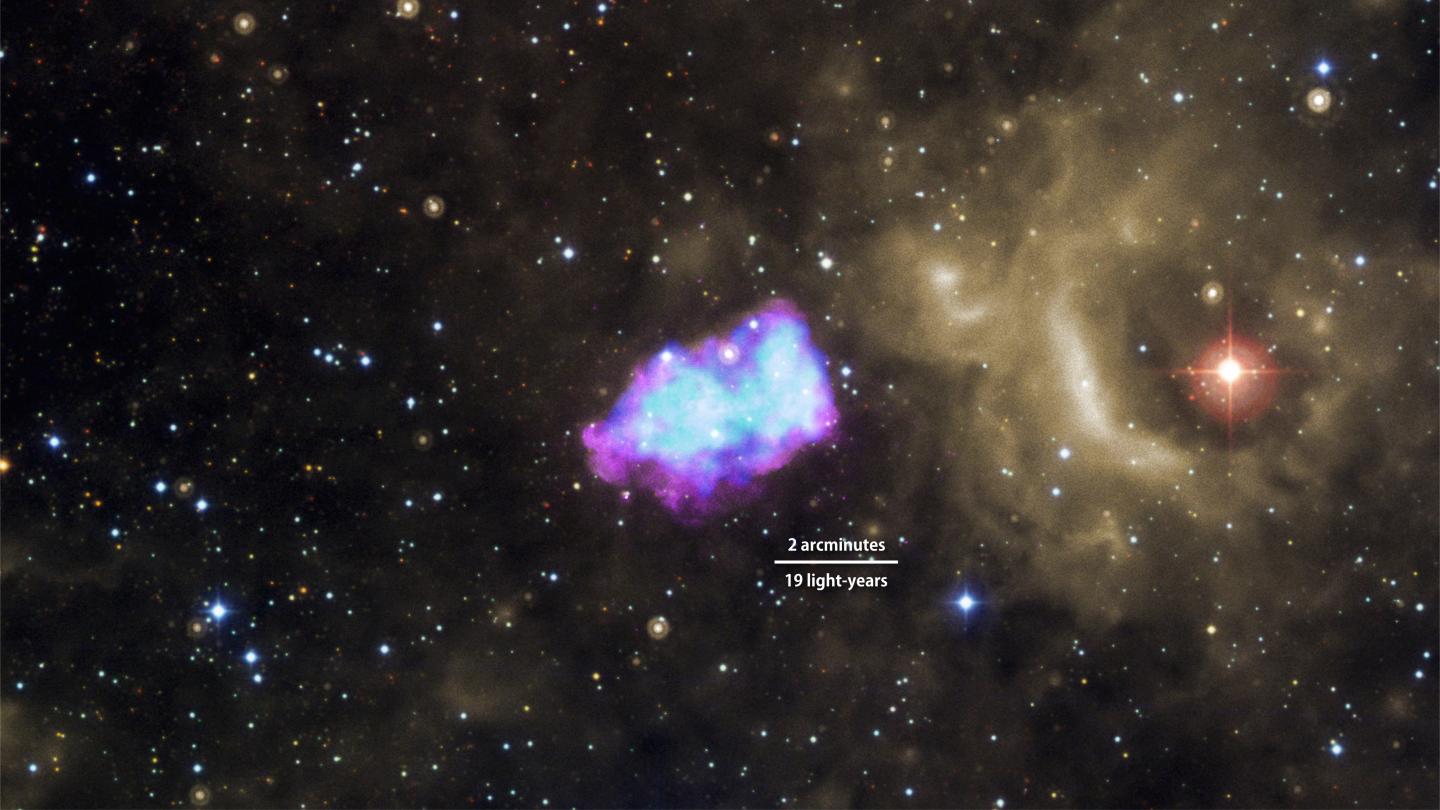
Astronomers have determined the pre-explosion mass of a white dwarf star that blew up thousands of years ago and the measurement strongly suggests the explosion involved only a single white dwarf, ruling out a well-established alternative scenario involving a pair of merging white dwarfs.