Banner
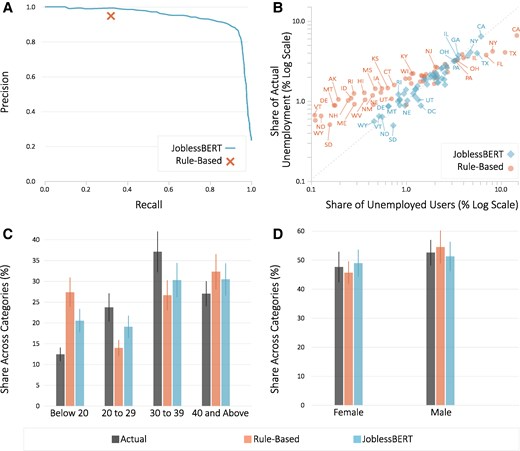
Social Media Is A Faster Source For Unemployment Data Than Government

Government unemployment data today are what Nielsen TV ratings were decades ago - a flawed metric...

Gestational Diabetes Up 36% In The Last Decade - But Black Women Are Healthiest

Gestational diabetes, a form of glucose intolerance during pregnancy, occurs primarily in women...
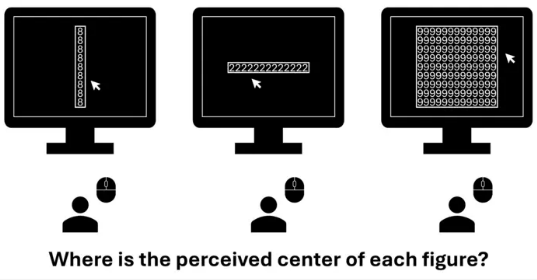
Object-Based Processing: Numbers Confuse How We Perceive Spaces

Researchers recently studied the relationship between numerical information in our vision, and...
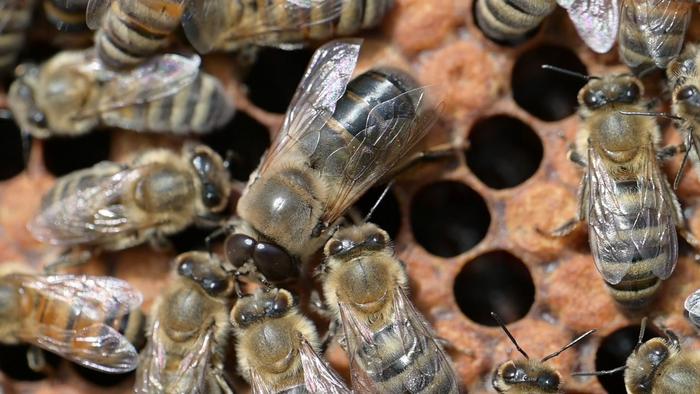
Males Are Genetically Wired To Beg Females For Food

Bees have the reputation of being incredibly organized and spending their days making sure our...

User picture.
News StaffRSS Feed of this column.

News Releases From All Over The World, Right To You... Read More »

Blogroll
In 2005, scientists studying tiny sac-like creatures called sea squirts found bacteria containing two types of chlorophyll (a and b) in cavities inside the squirts' tissues.

Those two pigments were soaking up most of the sunlight - the violets, indigos, blues, green, yellows and oranges - and all that filtered through the squirts was deep red light. On the underside of the squirts  was a film of photosynthesizing microbes and they turned out to be full of chlorophyll d, a rare variant of the chlorophyll molecule that absorbs near-infrared light.
A new paper suggests that when brains are organized into modules they are better at learning - without having to replace old knowledge.

The authors believe the findings will accelerate attempts to create artificial intelligence (AI) though they would also have value in understanding  the evolution of intelligence in natural animals. Kai Olav Ellefsen of Norwegian University of Science and Technology, Jean-Baptiste Mouret of Pierre&Marie Curie University and Jeff Clune of the University of Wyoming used simulations of evolving computational brain models - artificial neural networks - to show that more modular brains learn the most and forget the least. 

Just a month after getting a cease and desist letter from New York State Attorney General Eric T. Schneiderman, GNC has become the first vitamin and supplement retailer to implement new standards in authenticating herbal supplements, ensuring their purity, and educating consumers about their chemical content. 

The little voice inside your head telling you to eat that whole bag of Doritos is actually a cluster of about 10,000 specialized brain cells.

But there may be help in eating just one - the discovery of tiny 'triggers' inside those cells that give rise to this "voice", and keep it speaking throughout life. 

You'll have to take personal responsibility for a little while longer, the study was done in fish and mice, but it reveals how tiny bits of DNA can have a big influence on how the body regulates appetite and weight. It's the first documentation of exactly how a brain cell gene involved in weight regulation is controlled. 

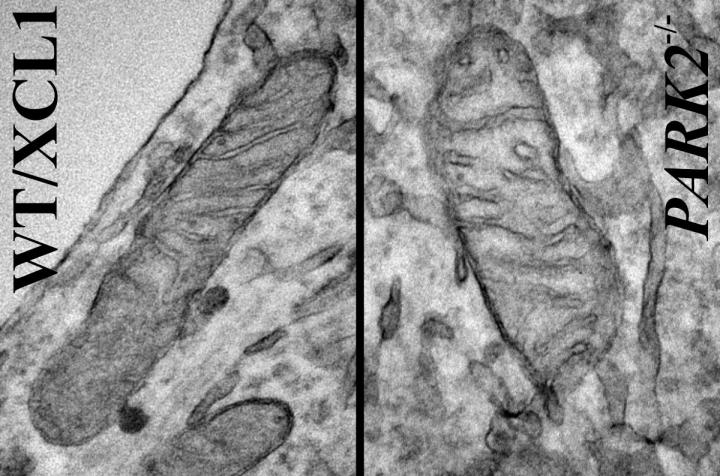
A new study using stem cells derived from patients who have  Parkinson's disease (PD) has confirmed for the first time what scientists have long suspected - that the most common mutation linked to both sporadic and familial Parkinson's disease (PD) wreaks its havoc by altering the function of mitochondria in neurons that produce the neurotransmitter dopamine.

Mitochondria are energy-producing organelles found in large numbers in most cells and are necessary for life. Zeng says the Park2 mutation altered mitochondrial structure and function in dopamine producing neurons, causing them to die. Dopamine is an essential neurotransmitter which regulates movement and emotion.

If you want babies to learn faster, forget those "Baby Einstein" videos and defy their expectations a little. A new study has found  that babies learn new things by leveraging the core information they are born with.

When something surprises a baby, like an object not behaving the way a baby expects it to, the baby not only focuses on that object, but ultimately learns more about it than from a similar yet predictable object.