Banner
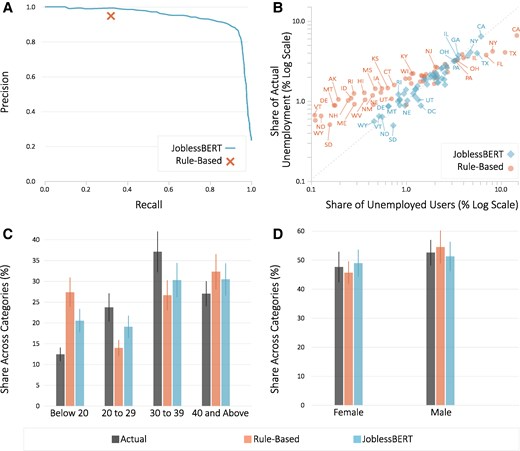
Social Media Is A Faster Source For Unemployment Data Than Government

Government unemployment data today are what Nielsen TV ratings were decades ago - a flawed metric...
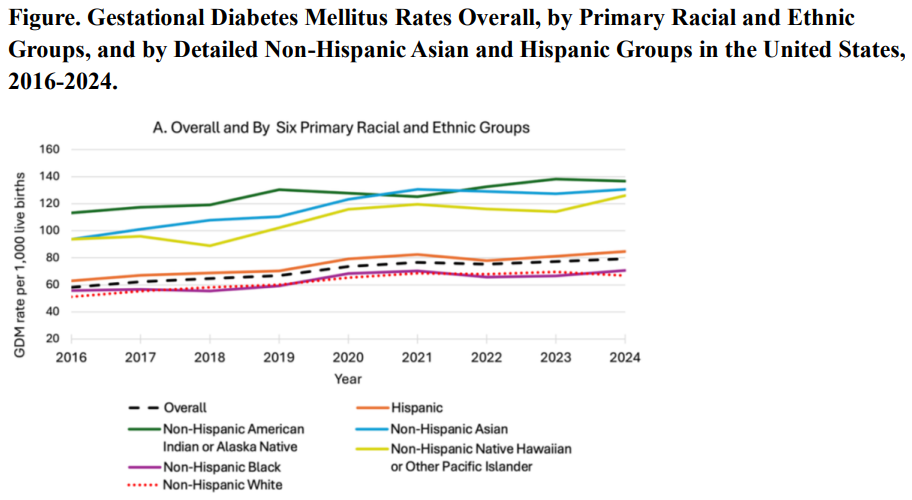
Gestational Diabetes Up 36% In The Last Decade - But Black Women Are Healthiest

Gestational diabetes, a form of glucose intolerance during pregnancy, occurs primarily in women...

Object-Based Processing: Numbers Confuse How We Perceive Spaces

Researchers recently studied the relationship between numerical information in our vision, and...

Males Are Genetically Wired To Beg Females For Food

Bees have the reputation of being incredibly organized and spending their days making sure our...

User picture.
News StaffRSS Feed of this column.

News Releases From All Over The World, Right To You... Read More »

Blogroll
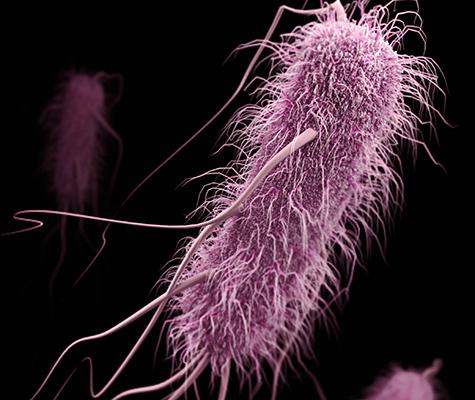
Antibiotic resistance is poised to spread globally among bacteria frequently implicated in respiratory and urinary infection, according to new research.

A recent study shows that two genes that confer resistance against a particularly strong class of antibiotics can be shared easily among a family of bacteria responsible for a significant portion of hospital-associated infections. Drug-resistant germs in the same family of bacteria recently infected several patients at two Los Angeles hospitals. The infections have been linked to medical scopes believed to have been contaminated with bacteria that can resist carbapenems, potent antibiotics that are supposed to be used only in gravely ill patients or those infected by resistant bacteria.
Had a break up and finding it difficult to move on? It's an evolutionary mandate, according to a review of evolutionary psychology articles on romantic break-ups.

People are hardwired to fall out of love and move onto new romantic relationships, the authors suggest after examining the process of falling out of love and breaking up, which they call primary mate ejection, and moving on to develop a new romantic relationship, which they call secondary mate ejection.  
Most people would be horrified if they went to a restaurant bathroom and saw the chef not bother to wash his hands after using the toilet. It's a good thing raw milk fad health buyers do not understand cow milking for the same reason.

A new review finds that consumers are nearly 100 times more likely to get foodborne illness from drinking raw milk than they are from drinking pasteurized milk, which is a lower figure than the Centers for Disease Control, which puts that number at 150X. Though a tiny fraction of milk drinkers risk consuming the raw kind, the raw kind accounts for over 50 percent of milk-related foodborne illness.
In the 1980s, student loans were not unlimited, there was a cap on how much you could borrow without getting a regular loan from a bank. As a result, colleges and universities kept their costs down.

By the end of the decade, politicians saw a chart showing that people with a college degree made more money than people with a high school diploma. So the obvious solution for politicians was to give students unlimited student loans and secure loyal voters. It certainly worked. Universities now had unlimited funding and in thanks academic representation lurched wildly toward the party that made the political manna from heaven possible.

Taking vitamin D supplements could slow or even reverse the progression of less aggressive, or low-grade, prostate tumors without the need for surgery or radiation, a scientist will report today.

His team will describe the approach in one of nearly 11,000 presentations at the 249th National Meeting & Exposition of the American Chemical Society (ACS), the world's largest scientific society. The meeting is being held here through Thursday.

The first phase 1 trial of an Ebola vaccine based on the current (2014) strain have shown it to be safe and provoke an immune response.  The big question, whether it can protect against the Ebola virus, remain unanswered for now.

A team of researchers led by Professor Fengcai Zhu, from the Jiangsu provincial center for disease prevention and control in China, tested the safety and immunogenicity of a novel Ebola vaccine, based on the 2014 Zaire Guinea Ebola strain, and delivered by a virus-like structure (known as a recombinant adenovirus type-5 vaccine). The experimental vaccine was developed by Beijing Institute of Biotechnology in Beijing, China, and Tianjin CanSino Biotechnology in Tianjin, China.