
Banner
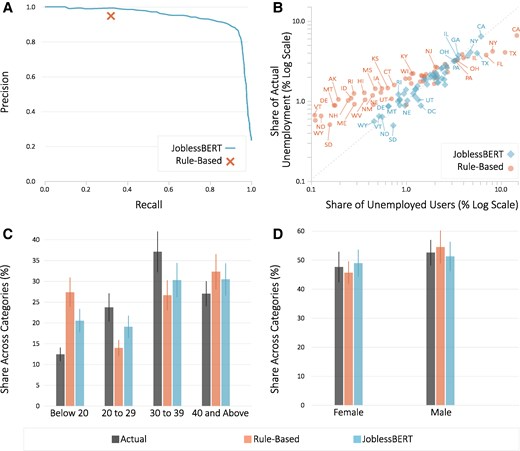
Social Media Is A Faster Source For Unemployment Data Than Government

Government unemployment data today are what Nielsen TV ratings were decades ago - a flawed metric...

Gestational Diabetes Up 36% In The Last Decade - But Black Women Are Healthiest

Gestational diabetes, a form of glucose intolerance during pregnancy, occurs primarily in women...

Object-Based Processing: Numbers Confuse How We Perceive Spaces

Researchers recently studied the relationship between numerical information in our vision, and...
Males Are Genetically Wired To Beg Females For Food

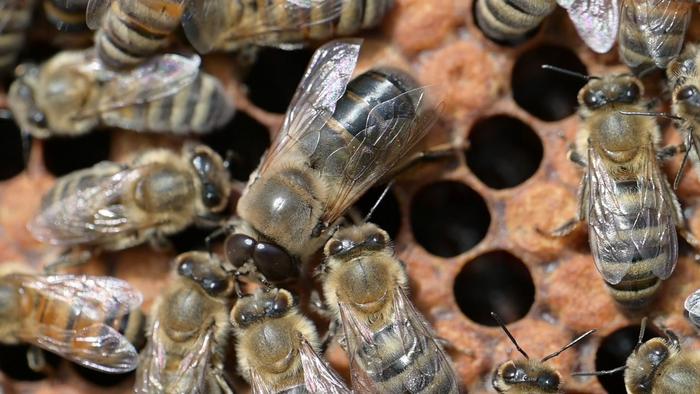
Bees have the reputation of being incredibly organized and spending their days making sure our...

User picture.
News StaffRSS Feed of this column.

News Releases From All Over The World, Right To You... Read More »

Blogroll

Prenatal exposure to low doses of the environmental contaminants polychlorinated biphenyls, or PCBs, change the developing brain in an area involved in metabolism, and some effects are apparent even two generations later, a new study finds. Performed in rats, the research will be presented Friday at the Endocrine Society's 97th annual meeting in San Diego.

Hereditary effects included increased body weight, but only in descendants of females--and not males--exposed to PCBs in the womb, said study co-author Andrea Gore, PhD, professor at the University of Texas at Austin.

"These endocrine-disrupting chemicals affect the developing brain differently in males and females," Gore said.

Methane is a potent greenhouse gas, though fortunately has a far shorter lifespan than the CO2 that is implicated in global warming. However, the prevalence of natural gas, cleaner energy which caused CO2 emissions to drop in America, have brought renewed concerns about its effects.

It is not just found in man-made wells, it is common in lakes and swamps, but natural-gas pipelines are the big concern. Understanding the sources of methane, and how the gas is formed, could give scientists a better understanding of its role in warming the planet.

Sitting for many hours per day is associated with increased coronary artery calcification, a marker of subclinical heart disease that can increase the risk of a heart attack, according to research scheduled for presentation at the American College of Cardiology's 64th Annual Scientific Session in San Diego. Coronary artery disease is the most common type of heart disease and the leading cause of death in the United States.

A tooth enamel abnormality in children, molar incisor hypomineralization (MIH), may result from exposure to the industrial chemical bisphenol A (BPA), authors of a new study conclude after finding similar damage to the dental enamel of rats that received BPA. The study results will be presented Friday at the Endocrine Society's 97th annual meeting in San Diego.

"Human enamel defects may be used as an early marker of exposure to BPA and similar-acting endocrine disruptors," Babajko said.

BPA is an endocrine disruptor, or hormone-altering chemical, that has been linked to numerous adverse health effects in humans. It appears in many plastic and resin household products and food containers, including until recently baby bottles, sippy cups and infant formula packages.

People with anorexia nervosa and with body dysmorphic disorder have similar abnormalities in their brains that affect their ability to process visual information, according to a new study.

People with anorexia have an intense fear of gaining weight and can starve themselves even when they are dangerously thin. Body dysmorphic disorder is a psychiatric condition characterized by an obsessive preoccupation with a perceived flaw in physical appearance.

The St. Jude Children's Research Hospital--Washington University Pediatric Cancer Genome Project reports that a highly aggressive form of leukemia in infants has surprisingly few mutations beyond the chromosomal rearrangement that affects the MLL gene. The findings suggest that targeting the alteration is likely the key to improved survival. The research appeared online ahead of print this week in the scientific journal Nature Genetics.

