
Banner
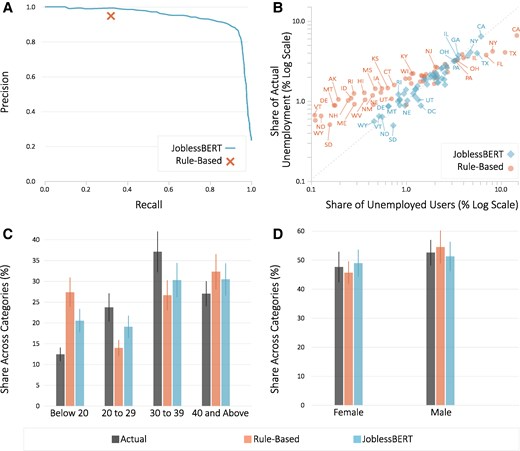
Social Media Is A Faster Source For Unemployment Data Than Government

Government unemployment data today are what Nielsen TV ratings were decades ago - a flawed metric...

Gestational Diabetes Up 36% In The Last Decade - But Black Women Are Healthiest

Gestational diabetes, a form of glucose intolerance during pregnancy, occurs primarily in women...

Object-Based Processing: Numbers Confuse How We Perceive Spaces

Researchers recently studied the relationship between numerical information in our vision, and...

Males Are Genetically Wired To Beg Females For Food

Bees have the reputation of being incredibly organized and spending their days making sure our...

User picture.
News StaffRSS Feed of this column.

News Releases From All Over The World, Right To You... Read More »

Blogroll

In the absence of food, neurons that normally control appetite initiate complex, repetitive behaviors seen in obsessive-compulsive disorder (OCD), and anorexia nervosa, according to a new study by Yale School of Medicine researchers.

The findings are published in the March 5 online issue of the journal Cell.

Neural circuits are responsible for flexible goal-oriented behaviors. The Yale team investigated how a population of neurons in the hypothalamus that control food intake are also involved in other behaviors. Known as Agrp neurons, these cells also control repetitive, stereotypic behaviors in mice when food is not available, the researchers discovered.

A new testosterone nasal gel raises men's low testosterone levels to normal, with few side effects, according to the results of a phase 3 clinical trial to be presented Saturday at the Endocrine Society's 97th annual meeting in San Diego.

Last May, the U.S. Food and Drug Administration approved the medication, now called Natesto, making it the only FDA-approved nasal testosterone replacement therapy, according to the manufacturer, Trimel Pharmaceuticals.

Using a mouse model of rheumatoid arthritis, scientists have discovered that a form of cellular immunotherapy by intravenous administration of monocytic myeloid-derived suppressor cells, or M-MDSCs, might be an effective treatment for the disease in humans. In a report published in the March 2015 issue of the Journal of Leukocyte Biology, researchers show that M-MDSCs are capable of inhibiting T cell proliferation, as well as B cell proliferation and antibody production. As a result, the arthritic mice experienced improvements in their symptoms.

The molecular complex that guides an important class of proteins to correct locations in cell membranes does so by forming a dimeric structure with a protective pocket, according to a new report. This structure shields tail-anchored membrane proteins - which have roles in a wide variety of cellular functions from neurotransmitter release to insulin production - from harmful aggregation or misfolding as they move through the inner environment of a cell. The findings clarify the mechanism behind a fundamental biological process.

Abaloparatide-SC, an injectable drug being studied for the treatment of postmenopausal osteoporosis, reduces the rate of new spinal fractures by a statistically significant 86 percent and as well as statistically significant reductions in the fracture rate at other parts of the body, a phase 3 clinical trial finds. Results of the ACTIVE fracture prevention trial will be described in a late-breaking oral presentation Thursday at the Endocrine Society's 97th annual meeting in San Diego.

In patients with advanced thyroid cancer, sunitinib, a drug approved for treatment of several other cancers, showed significant cancer-fighting activity t, a new phase 2 clinical trial has found. Results of the single-center study will be presented Sunday at the Endocrine Society's 97th annual meeting in San Diego.

"Sunitinib can potentially be used as an effective adjunctive treatment in patients with advanced differentiated thyroid cancer," said Principal Investigator Kenneth Burman, MD, Chief of Endocrine at MedStar Washington Hospital Center, Washington, D.C.

